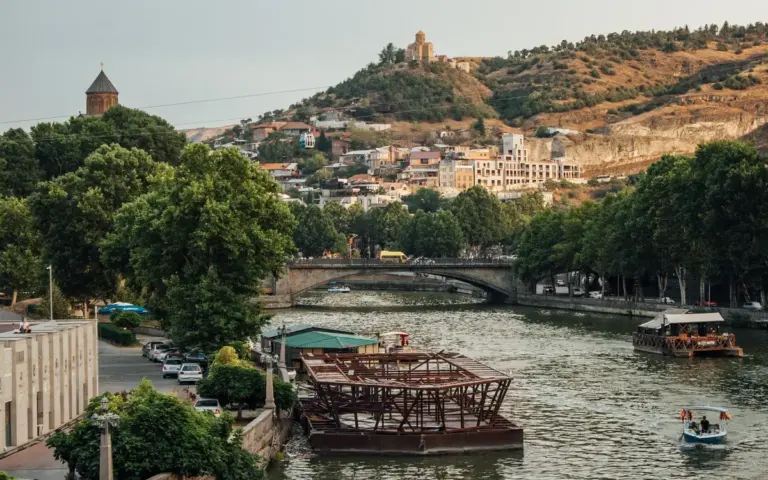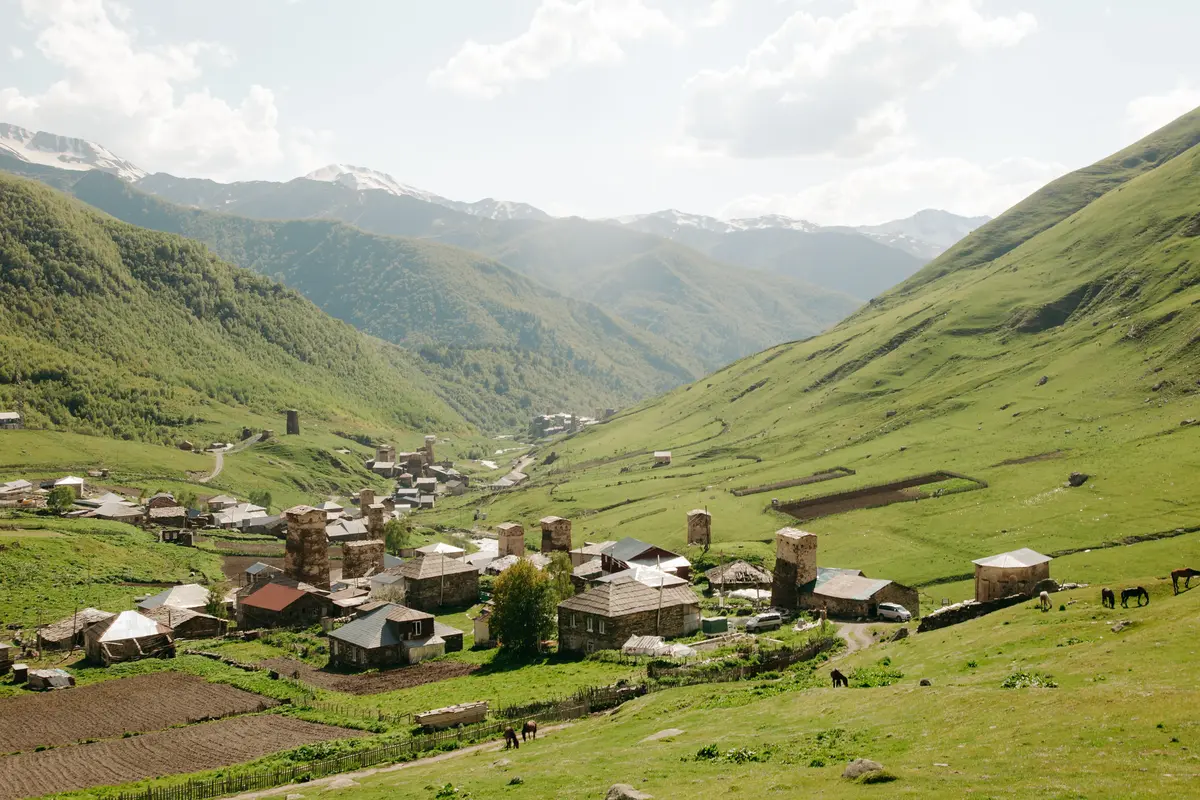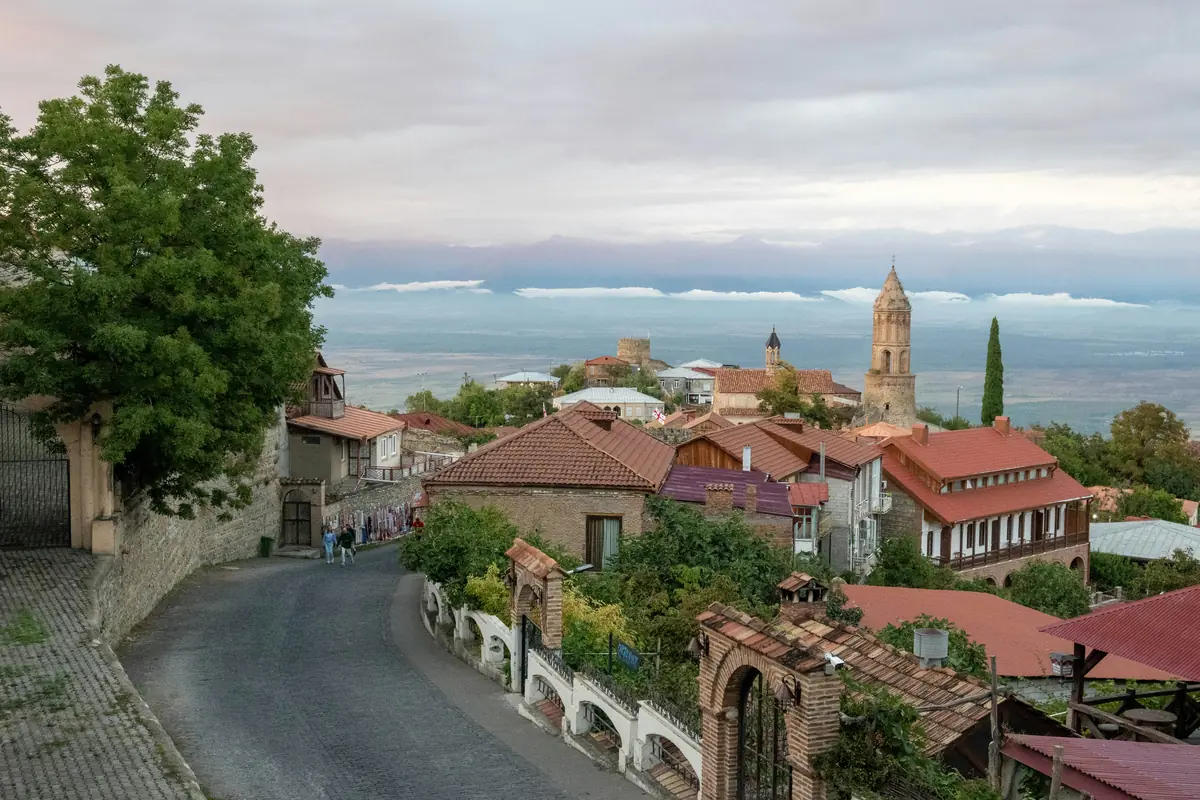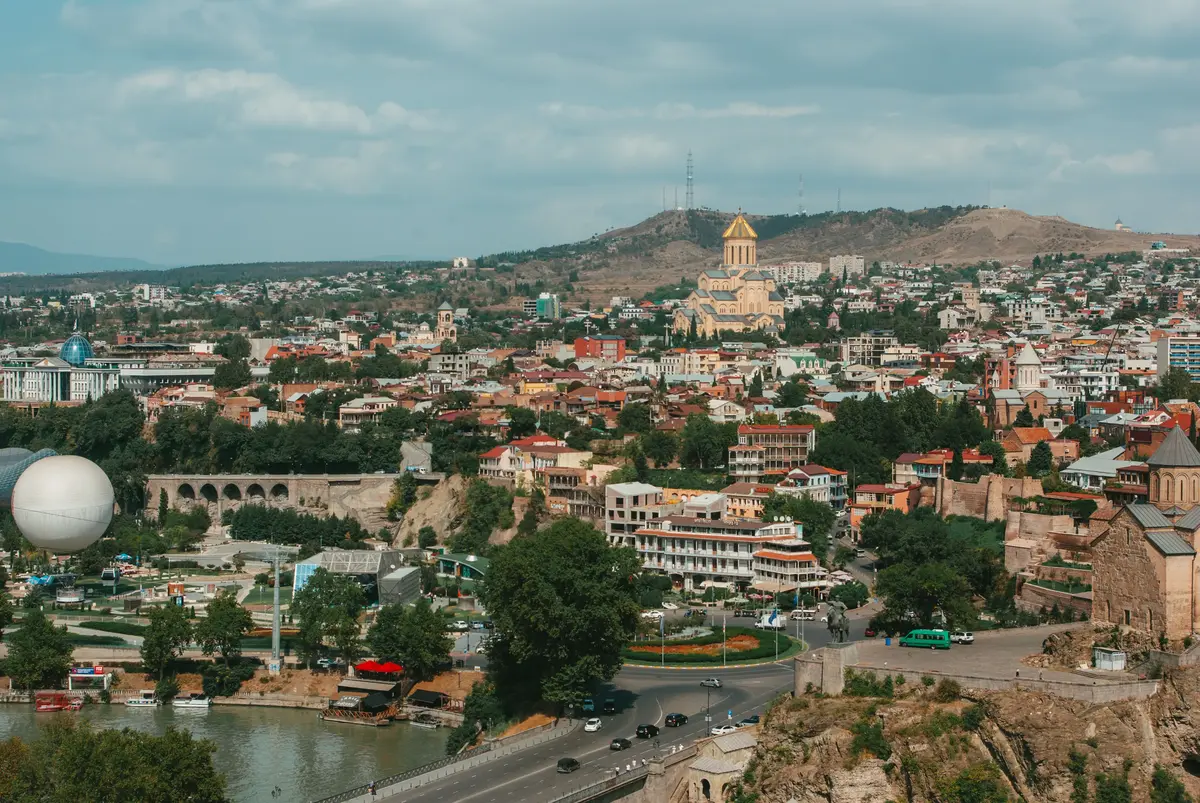
Tbilisi is the capital of Georgia the country, not the state, and the difference matters the moment you start booking. This is a city of 8,000-year-old wine culture, working sulfur bathhouses fed by hot springs, wooden balconies leaning over cobblestone lanes, and a techno scene that draws Berliners on cheap flights. It is also hilly, occasionally chaotic, and cheaper than almost anywhere else in Europe.
The list below covers the 28 best things to do in Tbilisi, with real prices in lari and dollars, the logistics US travelers actually need, and the parts most guides leave out.
Is Tbilisi Worth Visiting? The Honest Answer
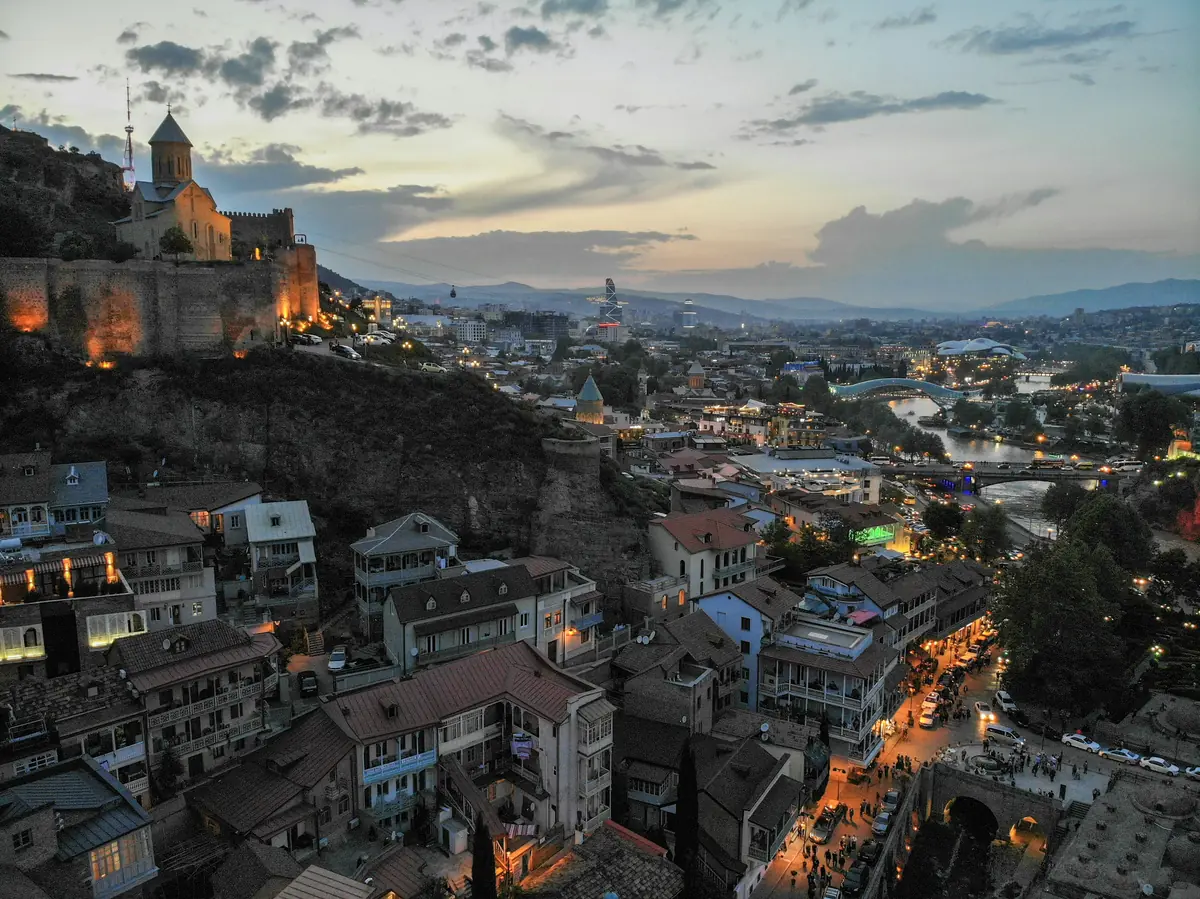
Yes. Tbilisi delivers more per dollar than any other European capital: a dense, walkable Old Town you can cross in 20 minutes, sulfur baths that cost less than a movie ticket, one of the world’s oldest and strangest wine traditions, and a food culture built around cheese, bread, and dumplings that Americans tend to fall hard for.
It is worth setting expectations, though. The Old Town’s cobblestones are genuinely rough on ankles and impossible for wheelchairs in places. Winter air quality in the valley can be poor. Buildings are crumbling as often as they are restored, and the restoration itself is contested. And since late 2024 there have been sustained anti-government protests centered on Rustaveli Avenue, which are peaceful the vast majority of the time but which you should plan around rather than through.
If you want polish and predictability, go to Vienna. If you want a city that still feels like it belongs to the people who live in it, book Tbilisi.
Know Before You Go: What US Travelers Ask First
This section is the part that saves you money and stress. Verify anything time-sensitive against a primary source before you fly.
How Do You Get from the US to Tbilisi?
There are no nonstop flights between the United States and Tbilisi International Airport (TBS). Every routing involves at least one connection. The most reliable one-stop options from the East Coast:
| Connection | Carrier | Notes |
|---|---|---|
| Istanbul (IST) | Turkish Airlines | The most frequent option; several daily TBS flights |
| Doha (DOH) | Qatar Airways | Long layovers but a comfortable hub |
| Warsaw (WAW) | LOT Polish Airlines | Often the cheapest fare from JFK |
| Frankfurt or Munich | Lufthansa | Good for Midwest and West Coast connections |
| Dubai (DXB) | Emirates plus flydubai | Useful from the West Coast |
Total travel time from New York runs 15 to 20 hours with a decent connection, and Tbilisi sits about 9 hours ahead of Eastern time (8 during parts of the year, since Georgia does not observe daylight saving). Booking roughly six weeks out tends to produce the best fares from the New York area, and October is typically the cheapest month to fly.
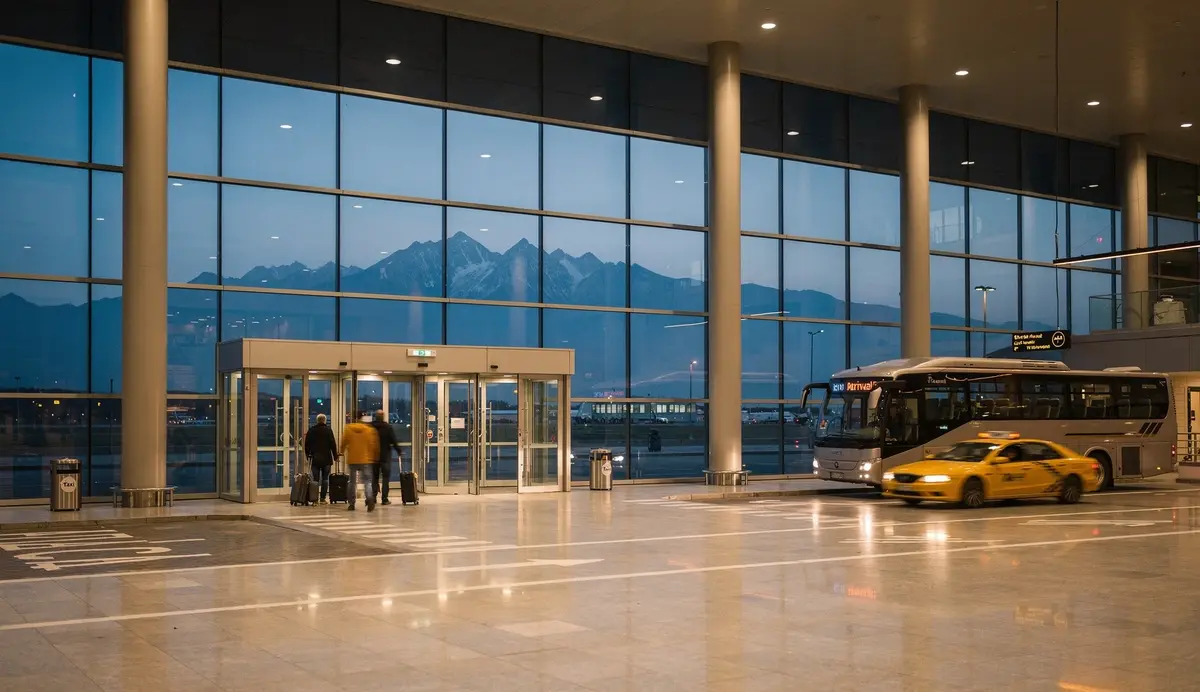
The scheduling quirk nobody warns you about: because most flights connect through Istanbul, Doha, or Dubai, a large share of arrivals into Tbilisi land between midnight and 5 a.m. Plan for it. See the arrival playbook below.
Do US Citizens Need a Visa for Georgia?
No. US citizens can enter Georgia visa-free and stay up to 365 days per visit, which is among the most generous policies in the world. Carry a passport with at least six months of validity and a blank page.
There is one new requirement that catches travelers off guard. Under Government Decree No. 602, adopted at the end of December, all tourists entering Georgia must hold valid health and accident insurance covering the full length of their stay, with a minimum sum insured of 30,000 GEL (roughly $11,500 at recent rates). The policy can come from a Georgian or a foreign insurer, must be presentable in Georgian or English, and can be shown digitally or on paper. Diplomats, Georgian residence-permit holders, and international transport drivers are among the narrow exemptions.
In practice, enforcement has been uneven. Some travelers report being asked at check-in by the airline, others report walking through passport control untouched. The fine for arriving without it has been reported at 300 GEL, and refusal of entry is legally possible. Most standard US travel medical policies clear the bar easily; the important part is that the certificate names Georgia in the covered territory, matches your travel dates, and shows a limit clearly above 30,000 GEL. Confirm the current rule with the Georgian Ministry of Foreign Affairs (geoconsul.gov.ge) and the US Embassy in Georgia before you go.
Is Tbilisi Safe Right Now?
The US State Department rates Georgia Level 1: Exercise Normal Precautions, its safest category. The exceptions are the Russian-occupied regions of South Ossetia and Abkhazia, rated Level 4: Do Not Travel, where Russian troops and border guards are present, boundary lines are hard to identify, and landmines are a documented hazard. Neither region is anywhere near a normal Tbilisi itinerary.
Street crime against tourists is rare by American urban standards. The realistic risks in Tbilisi are, in order: demonstrations, taxi overcharging, and mountain roads.
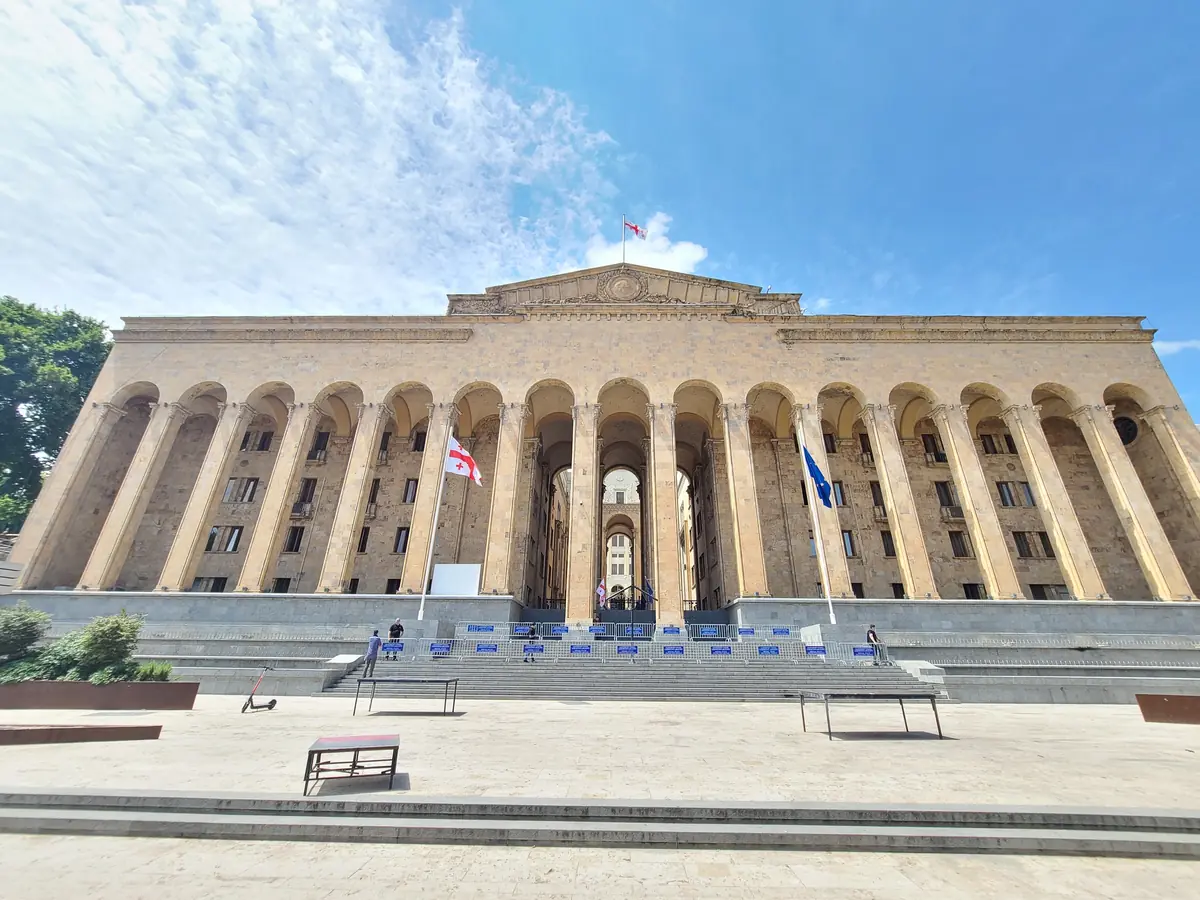
On demonstrations: anti-government protests have gathered in front of Parliament on Rustaveli Avenue nightly since late November 2024, passing the 600-day mark. They are overwhelmingly peaceful, but the US Embassy Tbilisi has noted that US citizens have been injured and detained by police for up to 48 hours at rallies. The practical guidance is simple and non-negotiable. Avoid all demonstrations and large gatherings. Expect road closures and heavy traffic around Rustaveli in the evening, especially on weekends and dates of political significance. Do not film police. Monitor local English-language news and enroll in the State Department’s STEP program before you travel.
Check travel.state.gov and ge.usembassy.gov for the current advisory level and any active security alerts before booking. Advisory levels change.
The 3 A.M. Arrival Playbook
If your flight lands in the dark, here is exactly what to do.
Do not take a taxi from the curb. Drivers at the arrivals door routinely quote 50 to 80 GEL ($19 to $30) for a ride that should cost a fraction of that. Instead, walk out, order a Bolt on your phone, and meet it in the designated rideshare area. A Bolt to the city center typically runs 15 to 35 GEL ($6 to $13) depending on demand. Bus 337 runs the same route for 1 GEL but does not operate through the middle of the night.
Buy a SIM card at the airport before you leave the terminal. Magti and Silknet both run 24-hour desks in arrivals, and 10 to 15 GB costs roughly 10 to 20 GEL ($4 to $8) with a passport. Do this first, because Bolt and Google Maps are useless without data.
Book a hotel with genuine 24-hour reception. Many small guesthouses in the Old Town do not staff the desk overnight, and standing outside a locked door at 4 a.m. with luggage on cobblestones is a bad way to start.
Then, if you cannot sleep, go to the sulfur baths. Several open early, they are close to empty at 7 a.m., and 45 minutes in hot mineral water is the single best red-eye reset available in this city.
Money, Cards, and What Things Actually Cost
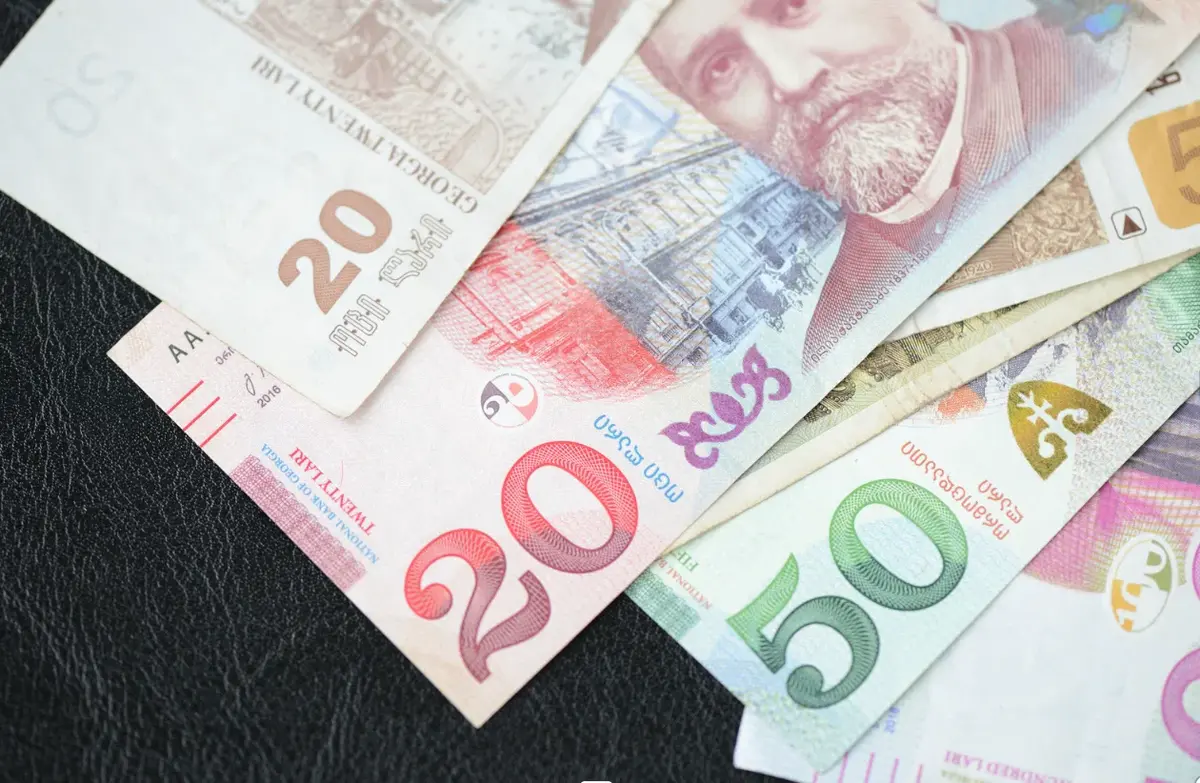
The currency is the Georgian lari (GEL, symbol ₾). At recent rates one dollar buys roughly 2.6 to 2.7 lari, so a quick mental shortcut is that 10 GEL is a little under $4. Rates move, so check before you budget.
Visa and Mastercard are accepted almost everywhere in central Tbilisi, including in taxis and small cafes. Carry cash for markets, marshrutkas (shared minibuses), rural guesthouses, the funicular, and bath attendants. Withdraw from TBC Bank or Bank of Georgia ATMs, skip Euronet machines because their fees and rates are noticeably worse, and never change money at the airport, where the spread is typically 5 to 8 percent against you. Small exchange kiosks around Freedom Square and Marjanishvili give the best rates in the city.
Tipping is not obligatory. Many restaurants add a 10 to 18 percent service charge, printed on the menu. If there is no service charge, rounding up or leaving 5 to 10 percent is appreciated.
So is Tbilisi expensive? Compared with Western Europe, no, it is one of the best values on the continent. Compared with neighboring Yerevan or Baku, it has become the pricier option, and central rents and restaurant prices have climbed sharply in recent years. Here is a realistic daily spend, excluding flights:
| Style | Daily budget | What that covers |
|---|---|---|
| Backpacker | $30 to $45 | Hostel dorm, bakery breakfast, khinkali dinners, public transit |
| Midrange | $70 to $120 | Boutique guesthouse or 3-star hotel, restaurant meals, Bolt rides, a private bath room |
| Comfortable | $150 to $250 | 4- or 5-star hotel, wine tastings, private day-trip driver, fine dining |
The Best Things to Do in Tbilisi
The city’s core sights cluster tightly enough that you can walk most of this list. Numbers are for reference, not ranking.
Old Town and Abanotubani
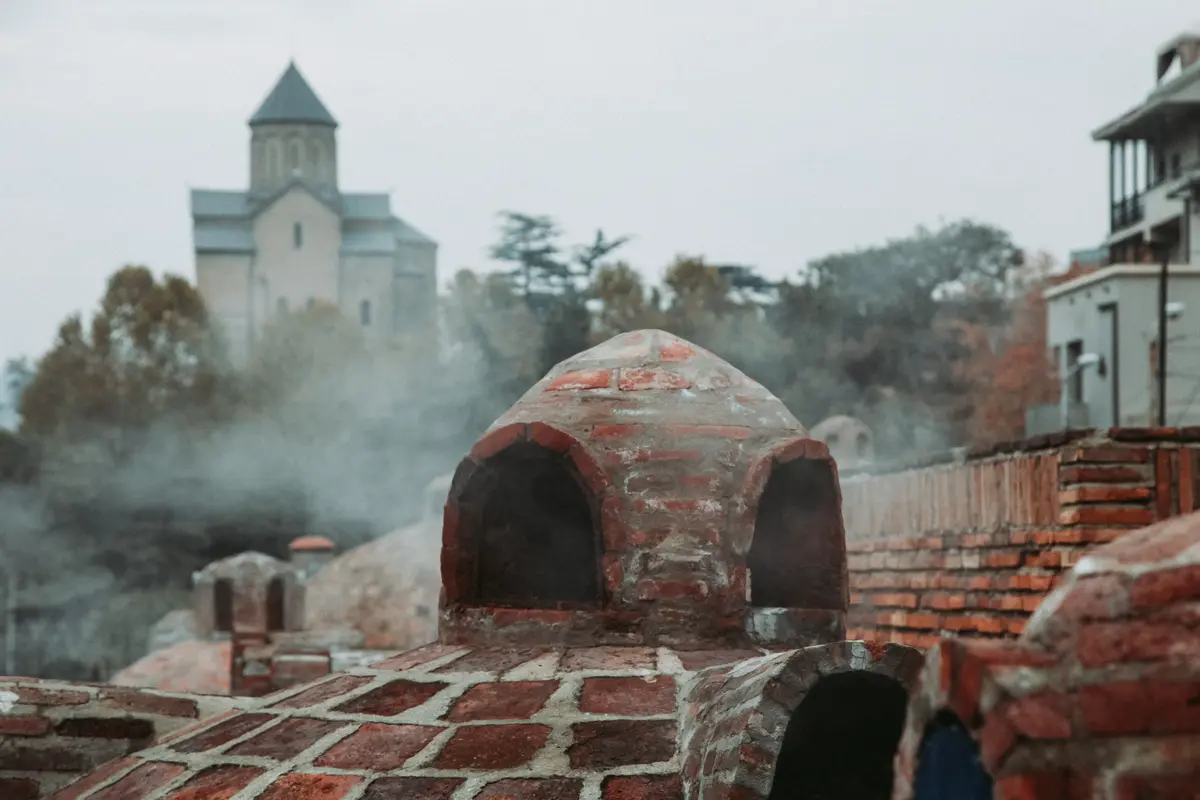
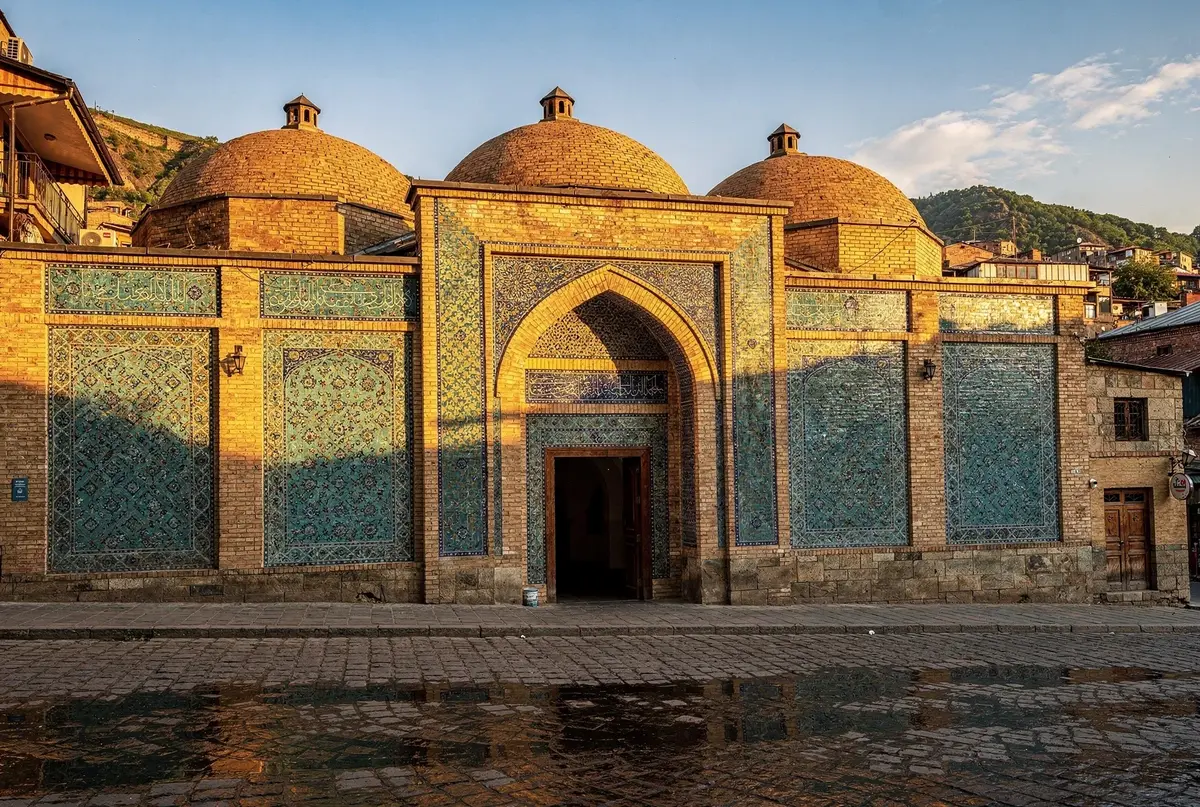
- Soak in the sulfur baths. The brick domes rising out of the ground in Abanotubani are the reason the city exists at all. Full pricing and etiquette are in the dedicated section below, but if you do one thing in Tbilisi, do this.
- Climb to Narikala Fortress. The 4th-century citadel above the Old Town is free to enter and open around the clock. You can walk up through Betlemi Street’s staircases in about 20 minutes or ride the cable car. Late afternoon is the move: the light hits the Old Town rooftops from the west and the whole valley turns amber. Wear real shoes, because the ramparts are uneven and unfenced in places.
- Meet Mother of Georgia. Kartlis Deda, the 65-foot aluminum woman on Sololaki ridge, holds a bowl of wine for friends and a sword for enemies, which is about as neat a summary of Georgian culture as exists. She is a five-minute walk from Narikala along the ridge, and the platform gives you a 360-degree view over the city and the Mtkvari River.
- Ride the Rike Park cable car. The gondola from Rike Park to Narikala takes about 90 seconds, costs around 2.50 GEL each way, and cannot be paid for in cash. You need a Metromoney card or a contactless bank card, which trips up first-timers constantly. Sit on the river side going up.
- Find the Leghvtakhevi waterfall. Tucked in a small canyon behind the bathhouses, this 40-foot waterfall sits five minutes from the busiest part of Abanotubani and is missed by most day-trippers. Go early; the wooden walkway is narrow and gets congested by late morning.
- Browse the Meidan Bazaar. An underground warren beneath Meidan Square selling spices, churchkhela (walnut strings dipped in grape must), wine, and souvenirs. Prices are tourist-grade and haggling is expected. Good for gifts, not for groceries.
Views, Parks, and Green Space
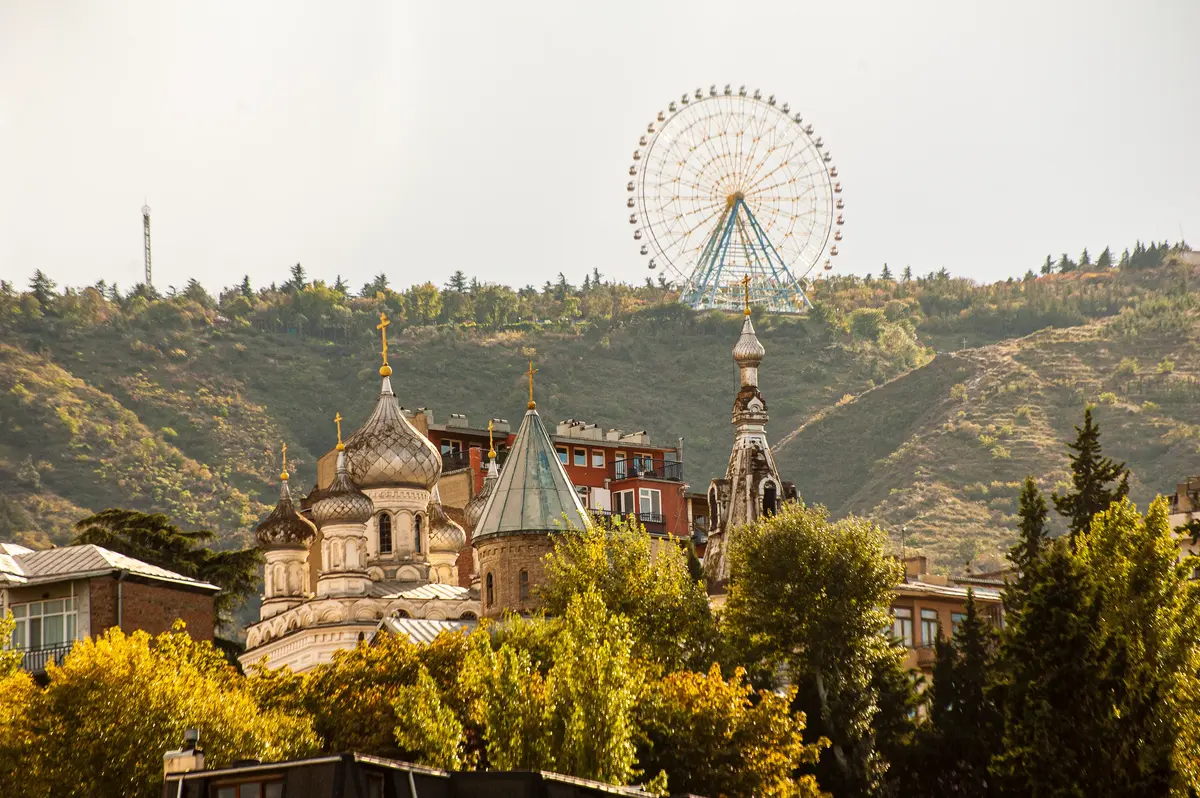
- Ride the Mtatsminda funicular. The restored funicular railway climbs Mount Mtatsminda to an amusement park with a Ferris wheel that hangs over the edge of the city. Tickets run about 3 GEL up and 2 GEL down, and it typically operates from late morning until around midnight. The move locals recommend: ride up for sunset, have a drink at the top, then walk down through Mtatsminda Pantheon, where Georgia’s writers and the mother of Joseph Stalin are buried.
- Wander Rike Park. The modern riverside park below Metekhi, with the Bridge of Peace at one end and the strange steel tubes of the unfinished Music Theater at the other. Best at night when everything is lit.
- Swim at Turtle Lake. A small lake in the hills above Vake with cafes, paddle boats, and a ropeway up from Vake Park. This is where the city goes on hot weekends, and it is 10 to 15 degrees cooler than the valley in August.
- Walk the National Botanical Garden. Roughly 240 acres in the gorge directly behind Narikala, with a waterfall, a Japanese garden, and trails that empty out quickly. Entry is a few lari and it is one of the cheapest hours in the city.
Churches and Landmarks
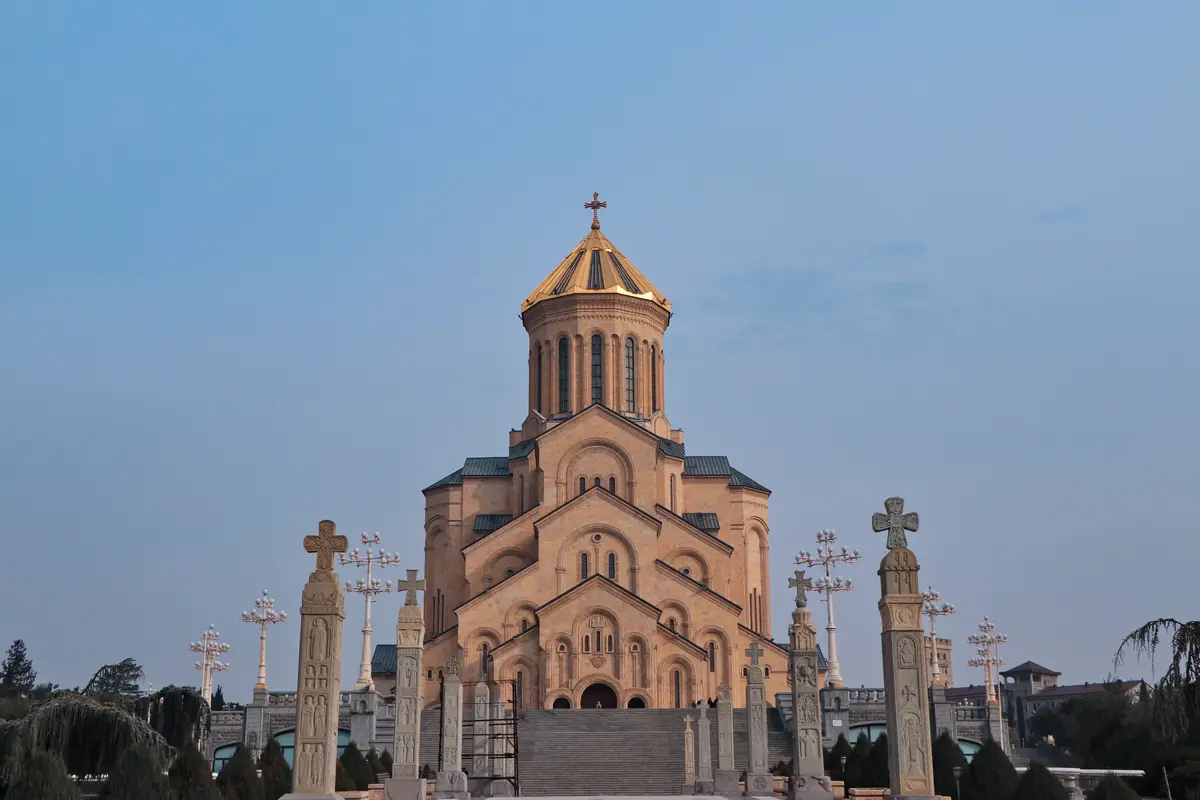
- See Holy Trinity Cathedral (Sameba). The largest religious building in the Caucasus, finished in 2004 and visible from nearly everywhere in Tbilisi. Free to enter, with a strict dress code: shoulders and knees covered, and women should carry a scarf for their head. Wraps are usually available at the entrance. The scale inside is genuinely startling.
- Hear chanting at Anchiskhati Basilica. The oldest surviving church in the city, a 6th-century brick hall that seats maybe 60 people. If you can time a visit for a service, Georgian polyphonic chant in that room is an experience no photograph reproduces.
- Step into Sioni Cathedral. The medieval seat of the Georgian Orthodox Church in the Old Town, home to the grapevine cross of Saint Nino, the woman credited with converting the country to Christianity in the 4th century.
- Look up at Metekhi Church. Perched on the cliff above the river with the equestrian statue of King Vakhtang Gorgasali beside it. The church itself takes five minutes; the viewpoint over Abanotubani is the reason to go.
- Cross the Bridge of Peace. The glass-and-steel pedestrian bridge over the Mtkvari, designed by Michele De Lucchi and lit by thousands of LEDs after dark. Locals have called it worse things than “the always ultra,” but it is the city’s most photographed structure for good reason.
Culture, Kitsch, and Soviet Leftovers
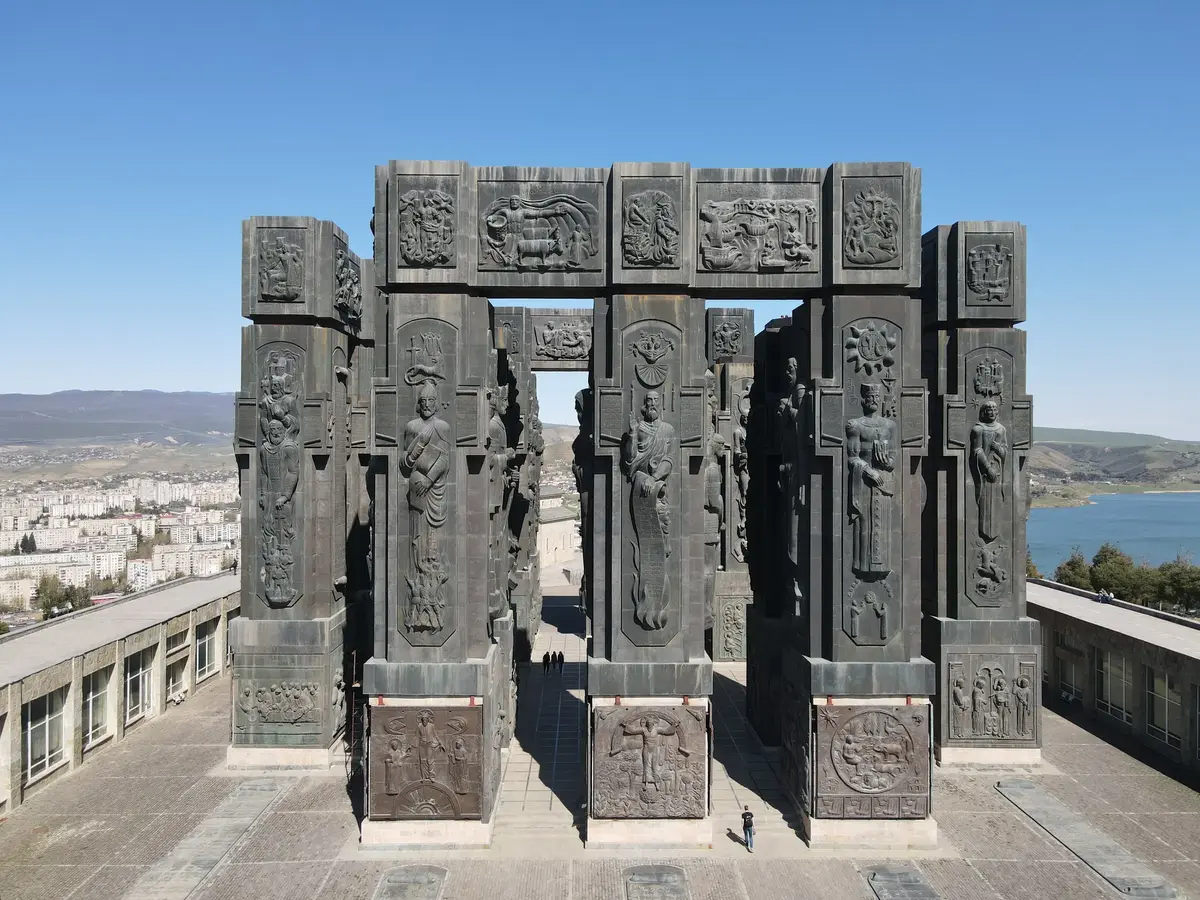
- Visit the Chronicles of Georgia. Zurab Tsereteli’s colossal monument on a hill by the Tbilisi Sea reservoir: sixteen bronze-clad pillars, each around 100 feet tall, carved with kings, queens, and scenes from the life of Christ. It is free, almost never crowded, and looks like a set from a film that was never made. A Bolt from the center runs about 20 to 30 GEL each way. Go at sunset and have the driver wait.
- Haggle at the Dry Bridge Flea Market. Soviet cameras, Red Army medals, hand-painted porcelain, chandeliers, and a lot of things that are exactly what they appear to be. It runs daily, peaks on weekends, and starting prices for foreigners are roughly double what a local pays. Negotiate cheerfully and expect to land somewhere in the middle.
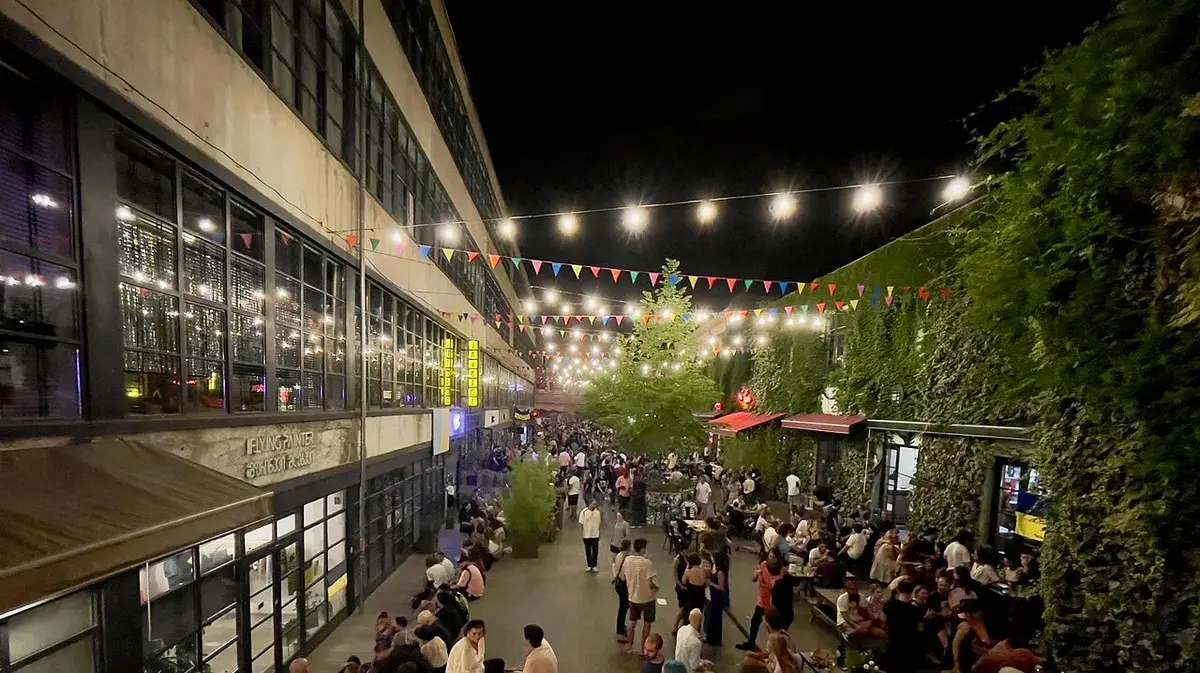
- Spend an afternoon at Fabrika. A Soviet sewing factory in Chugureti converted into a hostel, courtyard, and cluster of bars, coffee shops, and design studios. It is the clearest window into what young Tbilisi looks like now, and the courtyard is free to sit in.
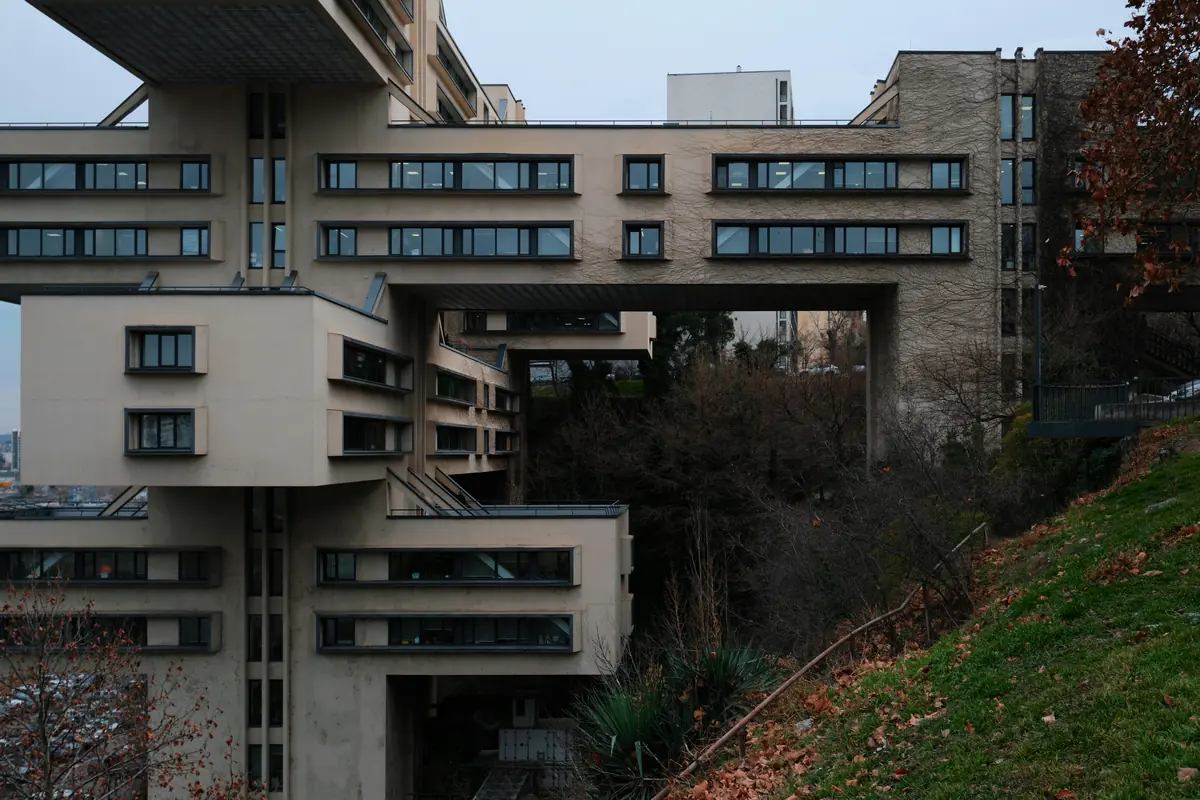
- Hunt Soviet modernist architecture. The former Ministry of Highways building, now Bank of Georgia headquarters, is a stack of interlocking concrete beams that looks like it is falling into the forest. Add the Palace of Rituals and the mosaic-covered bus stops scattered around the outskirts, and you have a half-day for anyone who likes brutalism.
- Go to the Georgian National Museum and the Museum of Soviet Occupation. The main museum on Rustaveli holds the Caucasus’s most important archaeological collection, including gold from Colchis. Upstairs, the Museum of Soviet Occupation covers 70 years of repression in a single, unsparing gallery. Together they take about two hours and provide the context that makes the rest of the country legible.
- Take the kids to the Open Air Museum of Ethnography. Traditional houses relocated from every region of Georgia, rebuilt on a wooded hillside near Turtle Lake. It is the easiest way to understand regional differences in a country that changes dialect and roofline every 50 miles.
- Stop by the Writers’ House. An Art Nouveau mansion turned literary center with a cafe in the garden. The building’s history includes the suspicious 1937 death of the poet Paolo Iashvili on the premises. Quiet, free to walk into, and a good reset between sights.
The Tbilisi Sulfur Baths, Explained
The bathhouses of Abanotubani sit over natural hot springs that run around 104°F. The routine is simple: soak, get scrubbed, soak again, leave loose-limbed and slightly stunned.
You have two choices. Public rooms are communal and separated by gender, with no swimsuits worn. Private rooms are booked by the room, not the person, for a set number of hours, and you can wear whatever you want.
| Option | Typical price | Notes |
|---|---|---|
| Public room, per person | 5 to 20 GEL ($2 to $8) | Gender-separated, no swimsuit, most local experience |
| Private room, per hour | 70 to 200 GEL ($27 to $76) | Priced per room; split among your group |
| VIP or spa room, per hour | 150 to 600 GEL ($57 to $229) | Larger rooms, tea service, marble finishes |
| Kisa scrub | 15 to 30 GEL ($6 to $11) | Add-on, cash to the attendant |
The kisa is a full-body exfoliation with a coarse mitt, performed by an attendant who will fold you in ways you did not consent to in writing. It is not gentle. It is also the point.
Chreli Abano, the one with the blue-tiled Persian facade, is the most photogenic and takes online bookings, which is worth using on weekends and evenings. Bathhouse No. 5 is the plain, no-frills, most traditional public option.
Three things that will improve your visit: go between 7 and 9 a.m. before the tour groups arrive; bring your own towel and flip-flops, because rentals are an upcharge and the floors are slick; and remember that private-room pricing is per room, so a couple or a group of four gets far better value than a solo traveler.
What and Where to Eat in Tbilisi
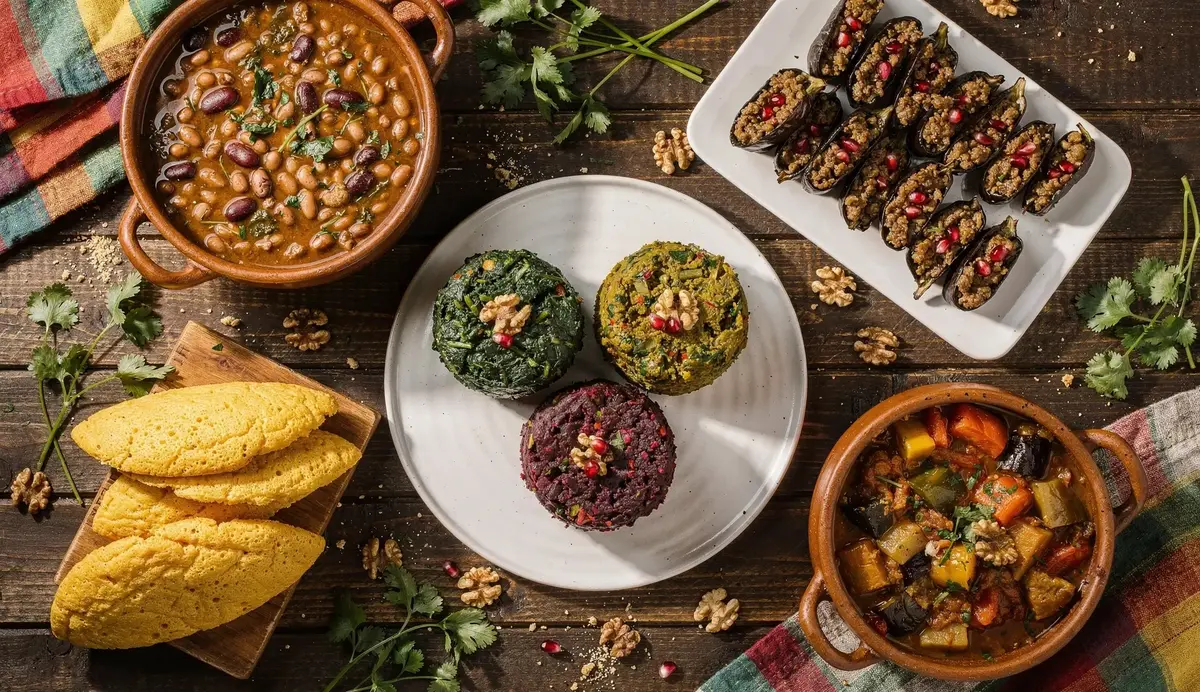
Georgian food is the reason a lot of people extend their trip. It is heavy on walnuts, herbs, cheese, and pomegranate, and it has almost nothing in common with what Americans think of as Eastern European cooking.
- Eat khinkali properly. These are twisted soup dumplings, usually filled with spiced pork and beef, sometimes mushroom or potato. The technique matters and locals notice: hold the topknot, bite a small hole in the side, drink the broth first, then eat the body. Leave the doughy knot on your plate. Stacking your knots is how you count what you ate. A plate of five runs about 5 to 10 GEL ($2 to $4). Never use a fork.
- Order the right khachapuri. Adjaruli is the famous one, a bread boat filled with cheese and topped with a raw egg and butter you stir in yourself, then tear off the edges to dip. Imeruli is the flatter, simpler, arguably better everyday version, and Megruli adds cheese on top. Portions are enormous. One Adjaruli feeds two people comfortably.
- Sit down for a supra. The Georgian feast is a structured event, not just a big dinner. A tamada (toastmaster) leads a sequence of toasts, and there are rules: you drink to the toast that was made, you do not toast out of turn, and you never toast with water or beer. Tsiskvili and other large supra halls do this with live polyphonic singing. Book ahead and go hungry.
The insider version of eating here: skip the khachapuri sold at the tourist-facing spots directly on Rustaveli Avenue. Walk one street back into the residential blocks and find the bakery with a line of locals and no English sign, where the same thing costs about 5 GEL, under $2, and comes out of the oven while you wait.

Eating with Dietary Restrictions
Vegetarians and vegans do better in Georgia than almost anywhere in the region, largely thanks to Orthodox fasting traditions that produced a deep repertoire of plant-based dishes. Look for pkhali (walnut and vegetable pâtés), lobio (bean stew served in a clay pot), badrijani nigvzit (eggplant rolls with walnut paste), ajapsandali, and mushroom or potato khinkali. Ask for “samarkhvo” dishes, the fasting menu, and most kitchens will point you straight at them.
Gluten-free is harder, since bread and dumplings anchor the cuisine, though grilled meats, salads, and pkhali are naturally safe. Strictly kosher and halal options exist but are limited and concentrated near the synagogue and the mosque in the Old Town; call ahead rather than turning up.
Georgian Wine, and Why It Tastes Like That
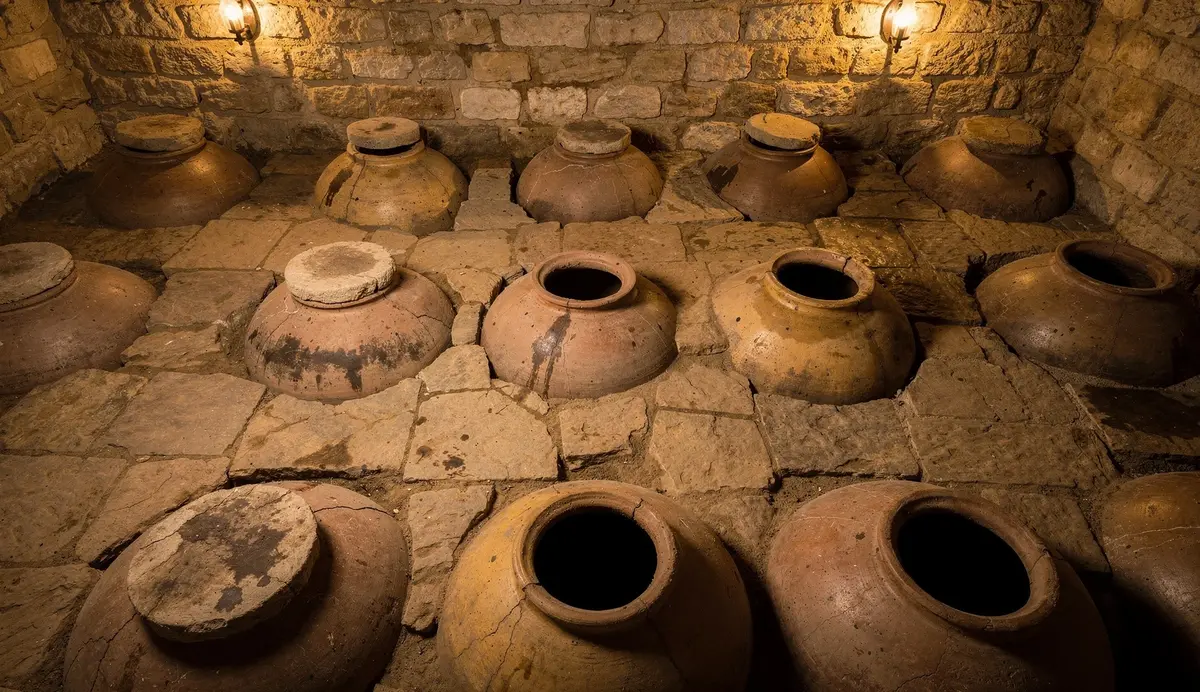
- Taste qvevri wine. Georgia has been making wine for around 8,000 years, and the traditional method uses a qvevri, a beeswax-lined clay vessel buried in the ground, where the juice ferments on skins, stems, and seeds. The result with white grapes is amber wine, tannic and savory and completely unlike a California Chardonnay. Rkatsiteli and Kisi are the amber grapes to ask for; Saperavi is the deep red.
Tastings in central Tbilisi run roughly 40 to 100 GEL ($15 to $38) for four to six pours with a guide who explains the qvevri process. Natural wine bars in the Old Town and Vera pour by the glass from 8 GEL. And do try chacha, the grape-pomace spirit that runs anywhere from 40 to 65 percent alcohol, but treat it with the respect you would give moonshine, because it is essentially the same thing.
Tbilisi Nightlife
- Go out properly. Tbilisi’s club scene is internationally significant, not a local curiosity.
Bassiani is the headline: a techno club inside a drained Soviet-era swimming pool beneath Dinamo Arena, routinely ranked among the best in the world. The door is strict, you are expected to know what is playing, cameras get taped over, and the club does not admit Russian passport holders, a policy in place since 2022. The Horoom room hosts the city’s long-running LGBTQ+ nights. KHIDI, under a bridge on the river, is grittier and harder. Mtkvarze is the friendliest of the three if you are easing in.
For a lower-key night, the Old Town’s natural wine bars, the Fabrika courtyard, and the craft-beer spots around Marjanishvili are all walkable. Bars fill up around 10 or 11 p.m. and clubs do not peak until 2 or 3 a.m. Budget 6 to 10 GEL for a beer, 15 to 25 GEL for a cocktail, and 20 to 60 GEL for club entry. Take a Bolt home rather than walking the cobbles at 4 a.m.
Best Day Trips from Tbilisi
- Get out of the city for a day. Georgia is small, and some of its best sights are within a two-hour drive.
Mtskheta is the easiest: the ancient capital, a UNESCO World Heritage site, about 12 miles north. Svetitskhoveli Cathedral sits in the center of town and Jvari Monastery looks down from a bluff over the confluence of two rivers. Half a day, reachable by marshrutka from Didube station for a couple of lari.
Kakheti is the wine country east of the city. Sighnaghi, the walled hilltop town, plus the Bodbe Monastery and two or three wineries make a full day. Group tours start around $14 to $20. September and October are best, when the Rtveli grape harvest is underway and wineries put visitors to work.
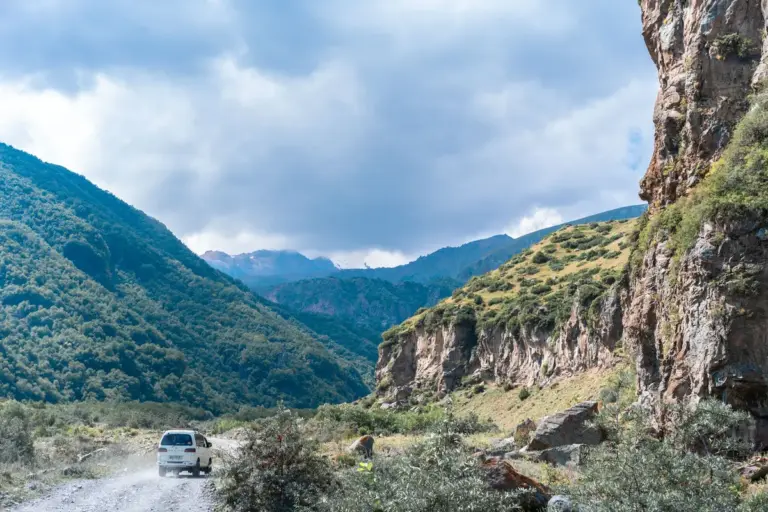
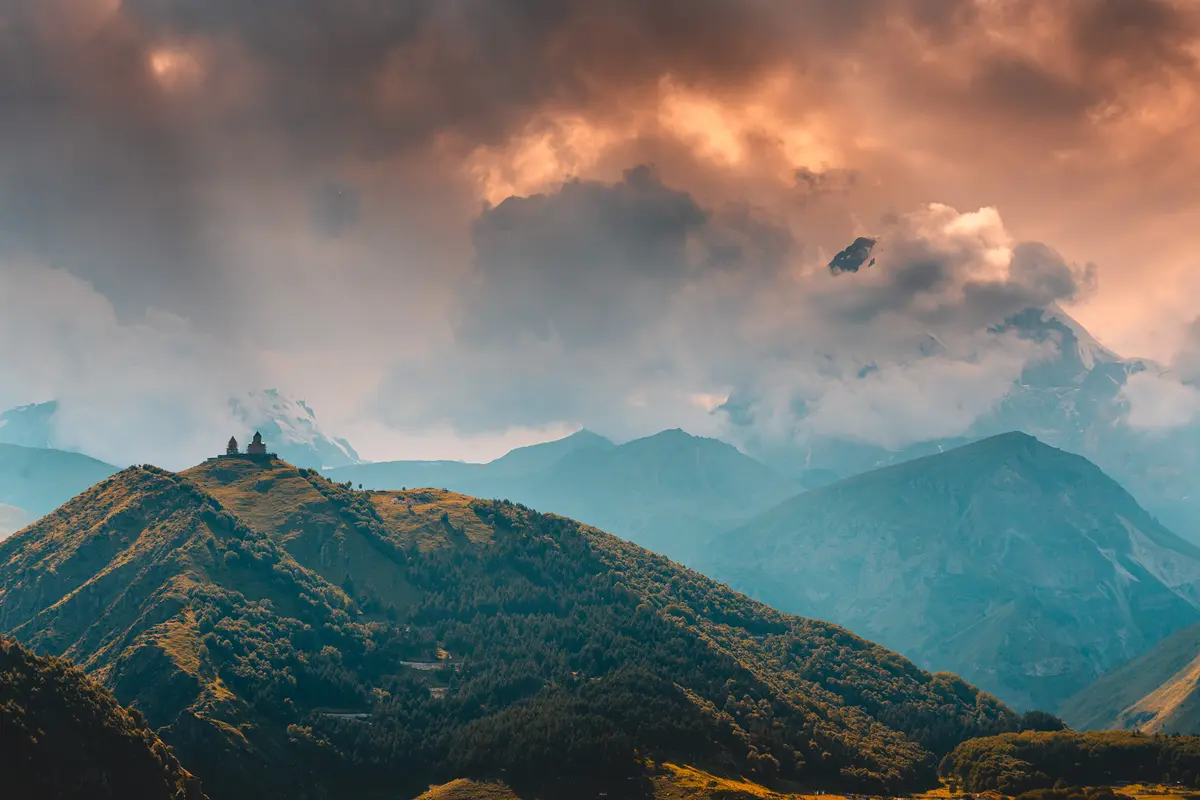
Kazbegi (Stepantsminda) is the big one: a 100-mile drive up the Georgian Military Highway to Gergeti Trinity Church, standing alone at 7,100 feet beneath Mount Kazbek. Group tours run about $29 for a 10- to 11-hour day. The catch is weather. On a clear day it is one of the great views in the Caucasus; in cloud, you have spent 11 hours in a van looking at fog.
Uplistsikhe and Gori pairs a cave city carved into rock with the Stalin Museum in the dictator’s hometown, a genuinely strange institution that has never quite decided what it thinks. Tours run around $39.
David Gareja, the cave monastery on the Azerbaijan frontier, has had recurring access restrictions because of an unresolved border dispute. Confirm current access before you book anything.
How to choose if you only have one day: if the forecast is clear, take Kazbegi, because the view is a lottery and a clear day is your winning ticket. If it is overcast or raining, take Kakheti, because wine and khinkali do not need sunshine. With two days, do both. Traveling as a couple, Kakheti is the romantic one. Traveling with friends who want mountains and a long drive with a playlist, Kazbegi.
Neighborhoods to Know
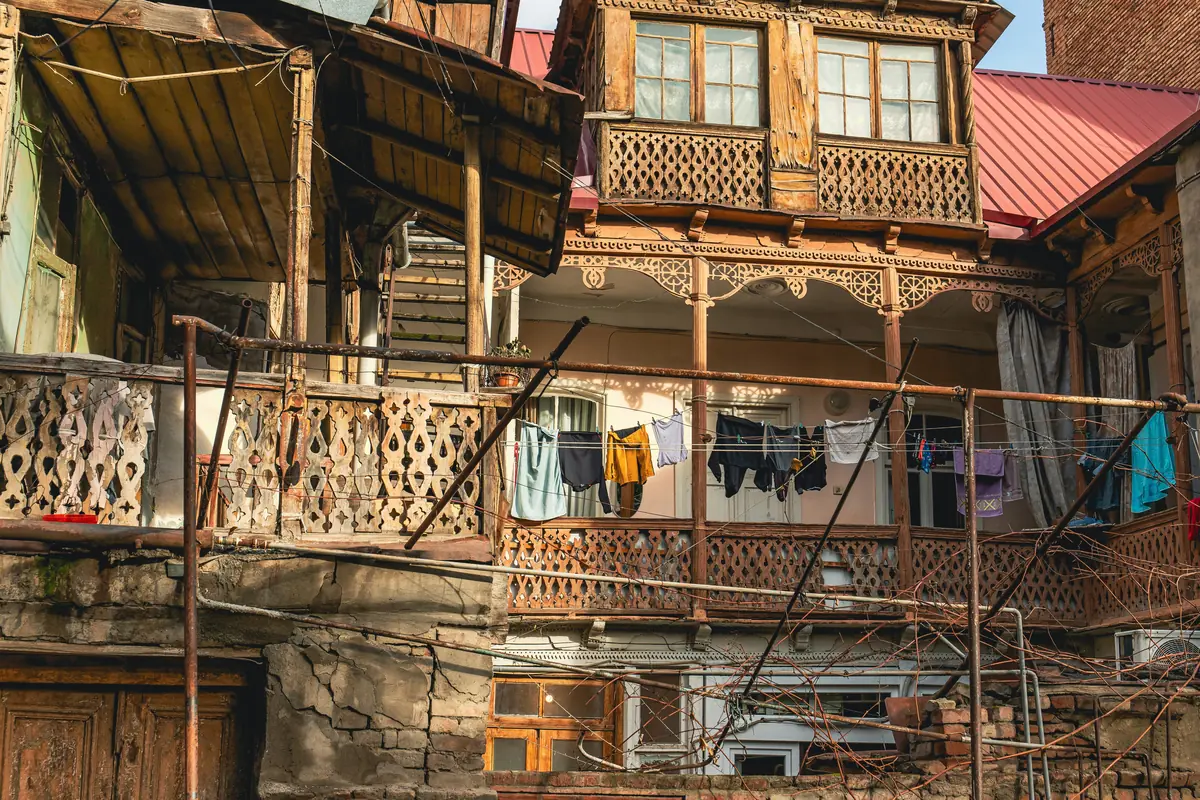
Old Town and Sololaki are the historic core: balconied houses, courtyards, steep lanes, and the highest concentration of restaurants and guesthouses. Atmospheric and central, but noisy and hard on the knees.
Abanotubani is the bath district, technically part of the Old Town, and worth a room if you plan to soak more than once.
Vera is the leafy middle ground, full of coffee shops, wine bars, and remote workers, five minutes from Rustaveli and much quieter.
Vake is upscale and residential, with the city’s best park and the ropeway to Turtle Lake. Better for a long stay than a short one.
Chugureti and Marjanishvili, across the river, hold the Art Nouveau stock, the best khinkali houses, and Fabrika. This is where the city’s momentum currently is.
For a first visit of two or three days, stay in or immediately beside the Old Town. For anything over a week, Vera or Chugureti will make you happier.
How Many Days Do You Need in Tbilisi?
Two days covers the essentials, three is the sweet spot, and four or more lets you add a day trip without rushing.
24 hours: Start with the sulfur baths at 8 a.m. Walk Abanotubani and the Old Town, up to Narikala and Mother of Georgia by cable car, down through the Botanical Garden. Lunch on khinkali. Cross the Bridge of Peace to Rike Park in the afternoon, then take the funicular up Mtatsminda for sunset. Finish with a supra.
48 hours: Add a second day for the Chronicles of Georgia in the morning, the Dry Bridge Flea Market and the Georgian National Museum in the middle of the day, a qvevri wine tasting in the late afternoon, and Fabrika or a natural wine bar at night.
72 hours: Give the third day entirely to a day trip. Mtskheta if you want to be back by lunch, Kakheti or Kazbegi if you want the full day out. Save Sameba Cathedral and the Open Air Museum of Ethnography for any leftover time.
Getting Around Tbilisi
Bolt is the default. It is the local ride-hailing app, it works reliably, and a short ride across the center costs 4 to 7 GEL ($1.50 to $2.70). Yandex Go is the backup. Do not flag unmarked street taxis and do not accept a quoted price without a meter, because that is where visitors consistently overpay.
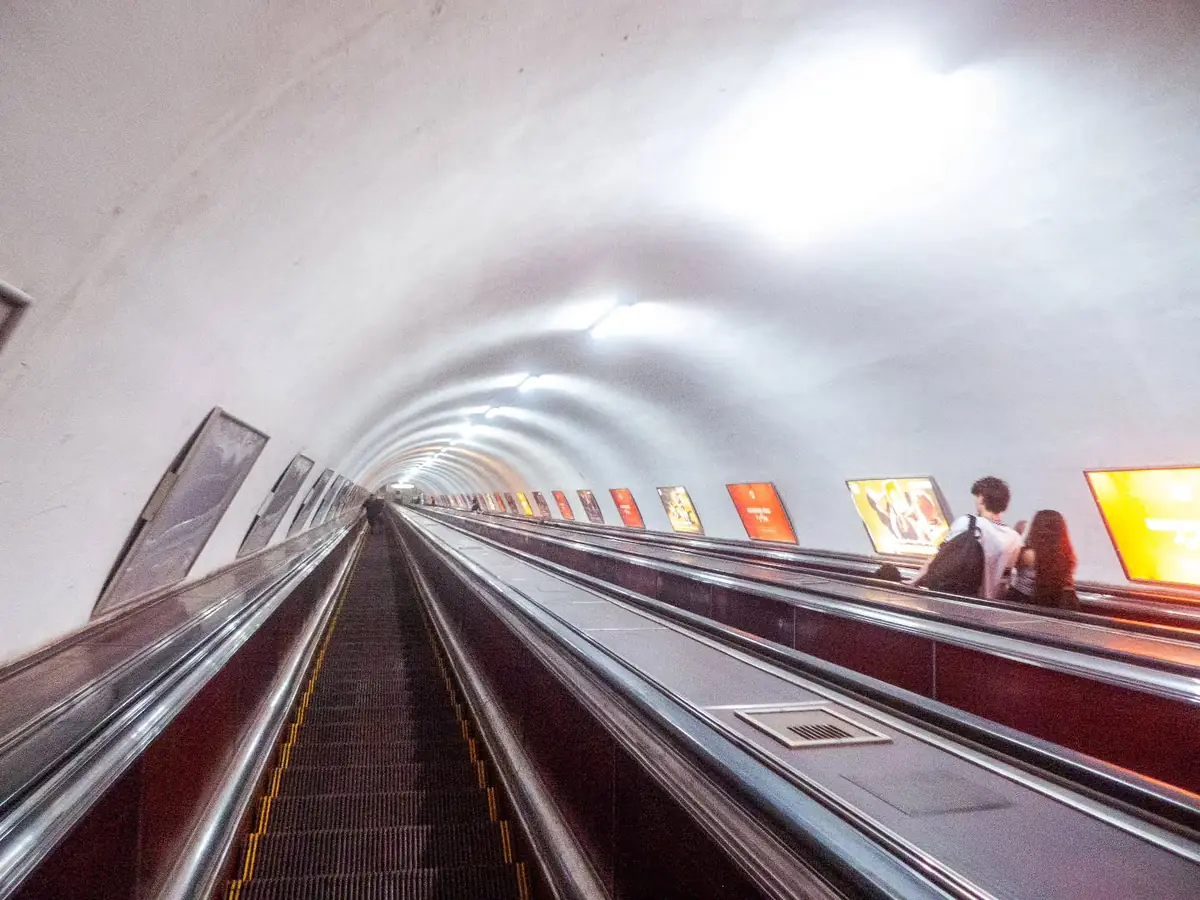
Public transit is a flat 1 GEL per ride with 90 minutes of free transfers, paid with a Metromoney card or a contactless bank card. The two-line metro is fast, deep, and Soviet-built; Rustaveli station’s escalator is a landmark in its own right. Buses are frequent and reasonably legible with Google Maps.
Is Tbilisi walkable? The center is, emphatically, and you can cross the Old Town on foot in 20 minutes. But “walkable” here comes with hills, uneven stone, missing sidewalk sections, and drivers who treat crosswalks as a suggestion. Bring shoes with grip and use the crosswalk lights.
Accessibility Notes
This is the part most guides skip. Old Town Tbilisi is difficult terrain for wheelchair users and travelers with limited mobility: cobblestones, long staircases between streets, steep grades, and few curb cuts. Metro stations are largely not step-free.
There are workarounds. The Rike Park cable car reaches the Narikala viewpoint without stairs, though the fortress grounds themselves are not accessible. Rike Park, the Bridge of Peace, and the riverfront promenade are flat and paved. Sameba Cathedral, the Chronicles of Georgia, and the Georgian National Museum are all reachable by car with manageable approaches. Several private bath rooms are at street level, so call ahead and ask specifically. Newer hotels along the river and in Vake are far better equipped than Old Town guesthouses, most of which sit up a flight of stairs.
Staying Connected and Working from Tbilisi
A local SIM is the cheapest option: Magti, Silknet, or Cellfie sell 10 to 15 GB for around 10 to 20 GEL, and you need your passport. The airport desks are open 24 hours. An eSIM through Airalo or Saily costs more but activates before you land, which is worth it if you are arriving in the middle of the night.
Georgia has quietly become a serious remote-work hub, thanks to the 365-day visa-free stay, low costs, and a 1 percent small-business tax regime for qualifying sole proprietors. Coworking spaces like Terminal, Impact Hub, and Lokal run 100 to 300 Mbps, and cafes including Coffee LAB are used to people camping with laptops. Power is 220V with European two-pin plugs, so bring an adapter.
The Best Time to Visit Tbilisi
May and June, then September and October, are the sweet spots: highs in the 70s and low 80s°F, manageable crowds, and in autumn the Rtveli harvest across Kakheti.
July and August are hot, with valley highs regularly in the low 90s°F, and accommodation rates run 20 to 40 percent above shoulder season. If you come in summer, plan mornings for sights and afternoons for Turtle Lake or the mountains.
Winter, from November through March, is the quiet, cheap season. Days sit in the 30s and 40s°F, snow is occasional in the city, and this is when the sulfur baths, museums, and wine bars are at their best. Air quality in the valley is worse in the cold months, which is worth knowing if you are sensitive.
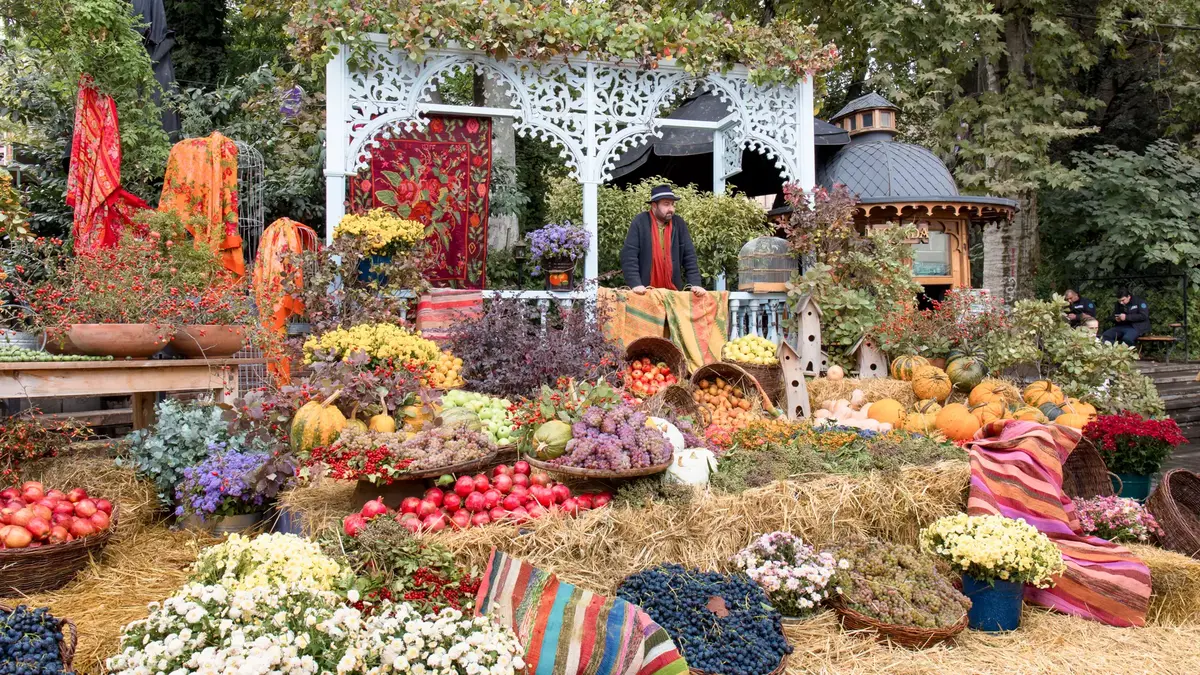
Festivals worth timing a trip around: Tbilisoba, the city’s autumn birthday celebration with food stalls across the Old Town; Rtveli, the September and October wine harvest in Kakheti; the New Wine Festival in spring; and Art-Gene, the summer folk festival at the Open Air Museum of Ethnography.
Planning the Trip
The short version: three days in the city, one day trip, a bath every morning if you can afford the time, and dinner somewhere with no English menu. Book a hotel with 24-hour reception, buy your insurance policy before you fly, download Bolt, and pull cash from a TBC or Bank of Georgia ATM rather than the airport counter.
Prices, opening hours, exchange rates, and entry requirements all move. Verify the visa and insurance rules with the Georgian Ministry of Foreign Affairs, and check the current advisory level and any security alerts at travel.state.gov and ge.usembassy.gov before you book. Everything else on this list has been standing for a very long time and will still be there when you arrive.