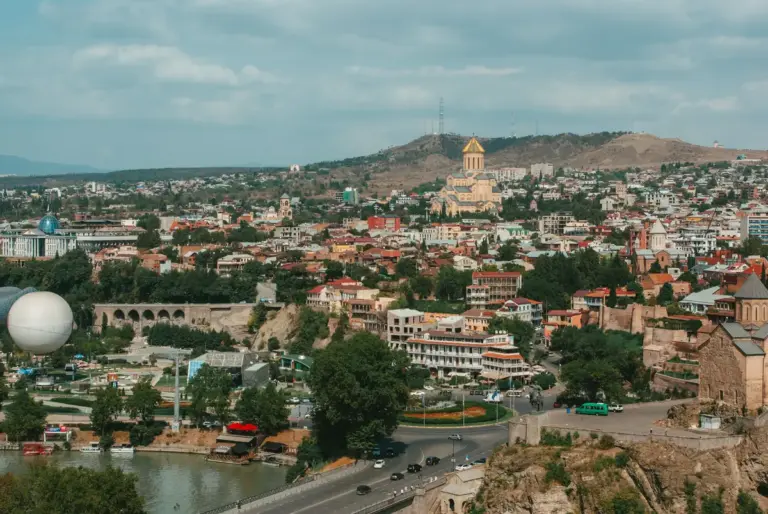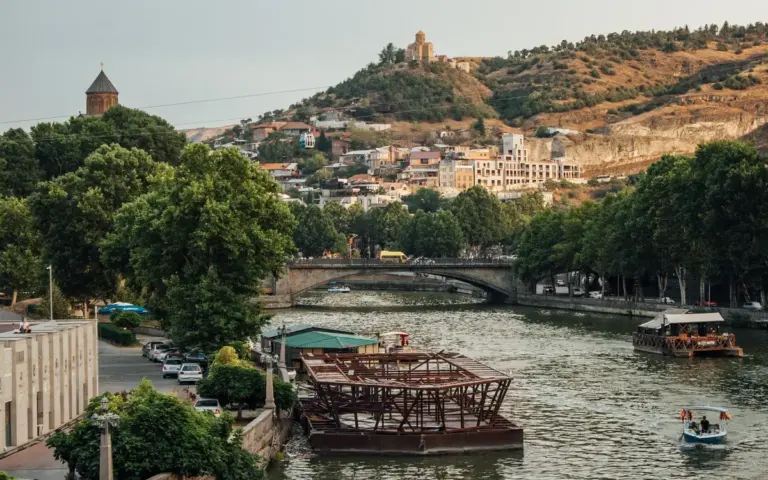
Is Georgia safe for tourists? For the Caucasus country of Georgia — not the US state — the answer is yes. It sits at the US State Department’s lowest risk tier, violent crime against visitors is rare, and Tbilisi feels calm day and night. The real dangers are the roads, a few scams, and two regions to skip.
The Short Answer, and Who Should Think Twice
Georgia is safe for the vast majority of visitors, including solo women. It holds the US State Department’s lowest risk rating, Level 1: Exercise Normal Precautions. The travelers who should plan more carefully are those heading into the remote high mountains, LGBTQ+ visitors facing a conservative legal climate, and anyone tempted by the occupied territories — which are off-limits.
That verdict comes with honest segmentation, because “safe” means different things to different travelers. Here is who should slow down and plan a little harder:
- Mountain hikers and drivers: the risk here is road and weather, not people. Kazbegi, Svaneti, and Tusheti demand real preparation.
- LGBTQ+ visitors: physically low-risk, but the legal and social climate is conservative and has moved backward (see the dedicated section below).
- Anyone curious about South Ossetia or Abkhazia: do not go. These are Level 4, Do Not Travel.
- Protest-averse travelers: long-running demonstrations continue in central Tbilisi in the evenings. They are easy to avoid and rarely touch daytime sightseeing.
Pro Tip: Georgia’s biggest safety upgrade costs nothing and takes two minutes — download the Bolt ride-hailing app before you land, so you never negotiate a fare with an airport tout.
What the Data and Advisories Actually Say
Most guides tell you Georgia “ranks among the safest” and leave it there. Here are the actual figures, each tied to a named source, so you can judge for yourself. All of these get reviewed and revised over time, so treat them as a directional picture rather than a permanent scoreboard.
- US State Department: Level 1, Exercise Normal Precautions — its lowest risk tier, reaffirmed at the most recent periodic review. South Ossetia and Abkhazia are the exception at Level 4, Do Not Travel, and Pankisi Gorge also carries a do-not-travel note.
- Numbeo: a Crime Index around 27 for Georgia and around 26 for Tbilisi, both rated Low, with Safety Index scores in the low-to-mid 70s.
- Gallup Law and Order Index: 88 out of 100, placing Georgia roughly 22nd out of 144 countries and territories surveyed on how safe people feel.
- Geostat, the National Statistics Office of Georgia: recorded crime has trended down over several years, a point long-term Tbilisi residents echo.
- Homicide rate: roughly 1 to 2 intentional homicides per 100,000 people (World Bank and UNODC series), among the lower rates worldwide.
- UK Foreign Office: most visits to Georgia are trouble-free.
The takeaway is consistent across every credible source: violent crime against tourists is uncommon, and the country feels safe on the ground. The caveats that follow are about specific situations, not a general threat level.
The Two Places You Must Not Go: South Ossetia and Abkhazia
Two breakaway regions sit outside the Georgian government’s control, and the rule for both is simple: stay out. Russian troops and border guards occupy South Ossetia and Abkhazia. The United States and most other countries still consider them part of Georgia, but that legal status will not help you if something goes wrong inside.
Here is what makes them genuinely dangerous, beyond the usual “don’t go” line:
- The Administrative Boundary Lines (ABLs) are hard to spot on the ground. People have been detained for wandering across without realizing it.
- Entering from the Russian side is illegal under Georgian law and can lead to arrest, imprisonment, or a fine.
- Landmines, violent incidents, and kidnappings have occurred in and around these areas.
- No consular help is available inside. US Embassy staff themselves are barred from within about 3 miles (5 km) of the boundary lines except on official business in an armored vehicle.
The reassuring part: none of this sits anywhere near a normal tourist route. Tbilisi, Kazbegi, Svaneti, Batumi, Kakheti — the whole standard itinerary runs well clear of these zones. You have to go looking for trouble to find it here.
On the broader Russia question travelers ask about: Georgia shares a border with Russia, but the war in Ukraine has not spilled onto Georgian territory, and tourism runs normally. It is still worth reading the current State Department advisory before you book, since regional politics can shift.
Is Georgia Safe for Solo Female Travelers?
Yes — Georgia is one of the more comfortable countries in the region for women traveling alone. Catcalling is notably less common than in much of Mediterranean Europe, and Tbilisi feels safe to walk day and evening. The main precautions are practical: use ride-hailing apps at night, watch your drink, and dress modestly at religious sites.
That is the honest headline, and it matches the overwhelming majority of reports. It is not the whole story, though. Some local women describe harassment that tourists rarely see — in nightlife, and occasionally around protests. The US Embassy notes that most reported incidents against women happen after hours in bars and clubs, often with alcohol involved, and advises using reputable taxi services and sitting in the back seat. Reassurance and realism can both be true at once.
Your practical playbook:
- Use Bolt or another app rather than flagging a street taxi at night, and sit in the back.
- Keep an eye on your drink in bars, the same as you would in any city.
- Carry a charged phone and share your live location for late trips.
Church and monastery dress code trips up a lot of visitors, so pack for it:
- Cover your head and shoulders; wraps and scarves are often available at the door.
- Skirts should fall below the knee.
- Men wear long trousers and remove hats.
The Scams That Catch Tourists, and How to Dodge Them
Petty scams, not violence, are what actually cost tourists money in Georgia. Almost all of them have a clean, one-move fix. Here they are side by side.
| Scam | Where it happens | The fix |
|---|---|---|
| Airport taxi hustle | Touts inside the Tbilisi and Kutaisi terminals | Ignore them; order a Bolt from the app pickup point |
| Unmetered street taxi | Flagged cabs city-wide | Agree a price first, or just use an app |
| Bar / dating-app setup | Tbilisi and Batumi nightlife | Be wary of a “date” who steers you to one specific venue; watch for a padded bill and an ATM escort |
| Pickpocket distraction team | Old Town and Batumi crowds | One person distracts, another lifts; keep bags zipped and in front |
| Currency-exchange shortchange | Street exchange kiosks | Use bank ATMs (Basisbank, CartuBank) instead |
| Prepaid-accommodation ghosting | Off-platform “deals” | Book through established sites, not direct wire transfers |
The airport taxi gap is the one worth internalizing, because the price difference is absurd. A Bolt from Tbilisi airport into the city runs about 20 to 25 GEL (roughly $7 to $9). Terminal touts have been reported quoting 100 to 300 GEL (about $37 to $110) for the same ride — four to ten times the fair fare, per Tbilisi travel forums and resident blogs.
Pro Tip: The app pickup point at Tbilisi airport is a short walk out from the arrivals doors, past the line of touts. Order the car, then walk to the pin — the touts lose interest the moment they see you looking at the app.
Why the Roads Are the Real Danger in Georgia
If anything hurts you in Georgia, statistically it will be a vehicle, not a criminal. Georgian driving is aggressive — blind-corner overtaking and speeding are routine — and official figures show road accidents and fatalities running high. Treat transport as your single most important safety decision: buckle up, skip night driving, and pay for a reputable driver on mountain routes.
This is the one place worth pushing back on the “it’s so safe” chorus. The country is safe from crime; it is not safe from its own traffic. A few specifics to plan around:
- Marshrutka minibuses often lack working seatbelts, and drivers speed to squeeze in extra runs.
- Night driving is a bad idea outside cities — livestock, unlit vehicles, and potholes all wait in the dark.
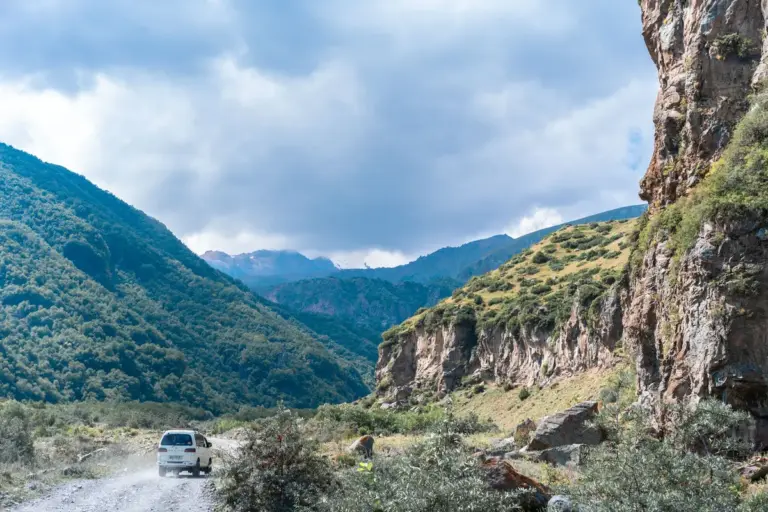
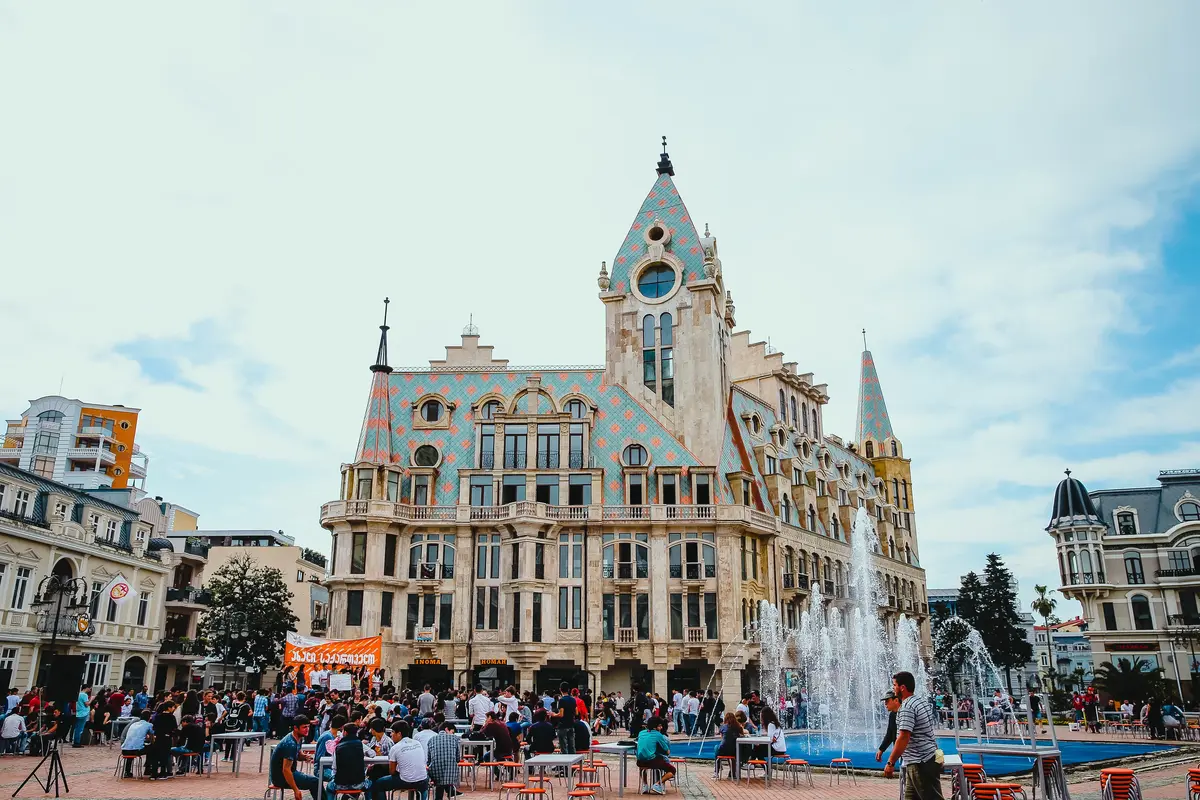
- The Abano Pass to Tusheti is regularly listed among the world’s most dangerous roads; a 4×4 and a professional driver are the only sane way up.
- The Georgian Military Highway to Kazbegi is paved, but it has steep drops and slow trucks that tempt risky passes.
- Seatbelts are mandatory for the driver and front passenger. Buckle up in the back anyway.
The fix is straightforward and cheap by US standards: for intercity and mountain travel, book a vetted private driver through a service like GoTrip rather than taking the cheapest seat on the minibus.
Is Tbilisi Safe? A Neighborhood-by-Neighborhood Read
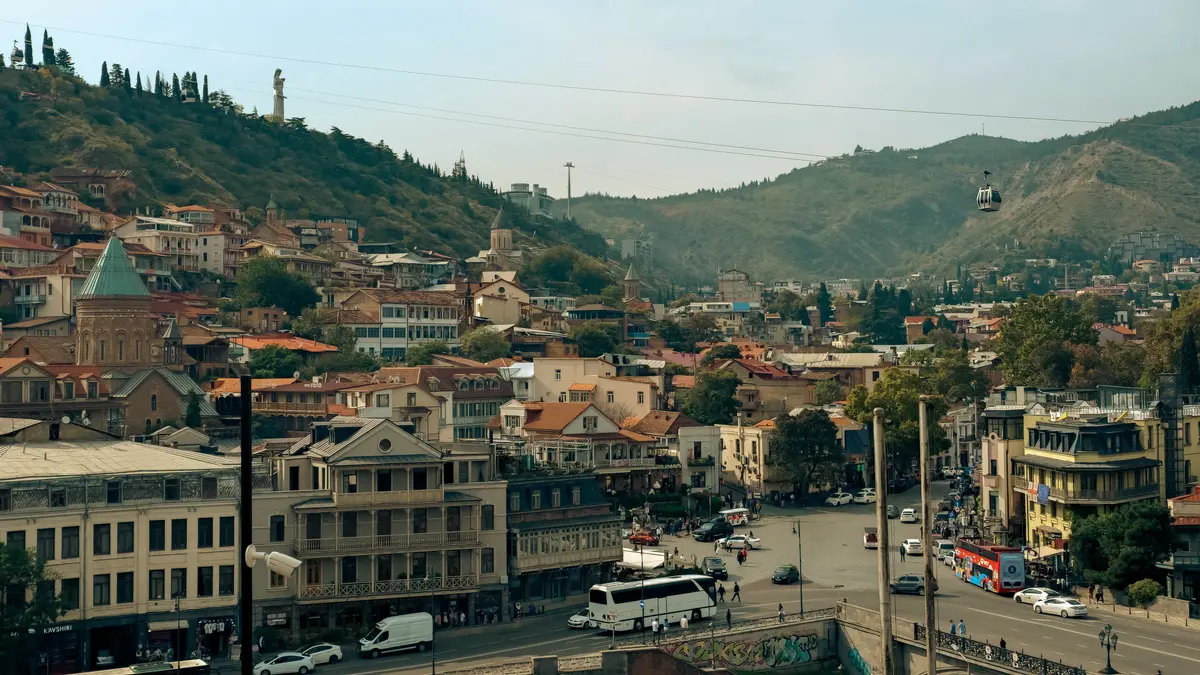
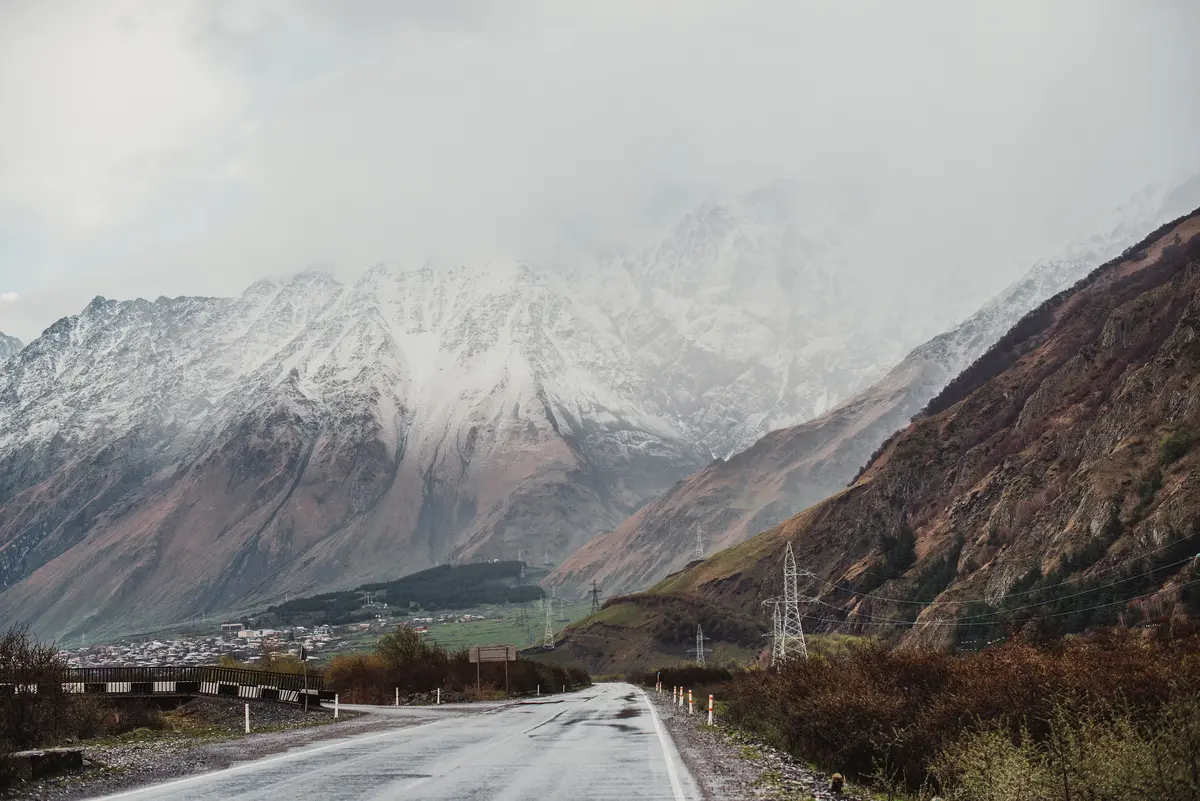
Tbilisi is safe to walk day and evening, and a “vague reassurance” does not help you pick a base. Here is the district-level read. The central, well-lit neighborhoods where most visitors stay — Old Town (Dzveli Tbilisi), Rustaveli, Vake, Vera, and Marjanishvili — are policed and comfortable at night.
A few honest caveats within that:
- Avoid Rustaveli Avenue near Parliament after dark when a demonstration is on (details in the political section).
- Expect aggressive touts and restaurant hawkers around Shardeni Street and the Bridge of Peace; a firm “no” is enough.
- Keep normal city awareness around Station Square late at night, the same as any transit hub anywhere.
None of this rises to a real threat. It is the ordinary texture of a capital city, and Tbilisi’s version is milder than most.
Regional Safety, From Kazbegi to Batumi
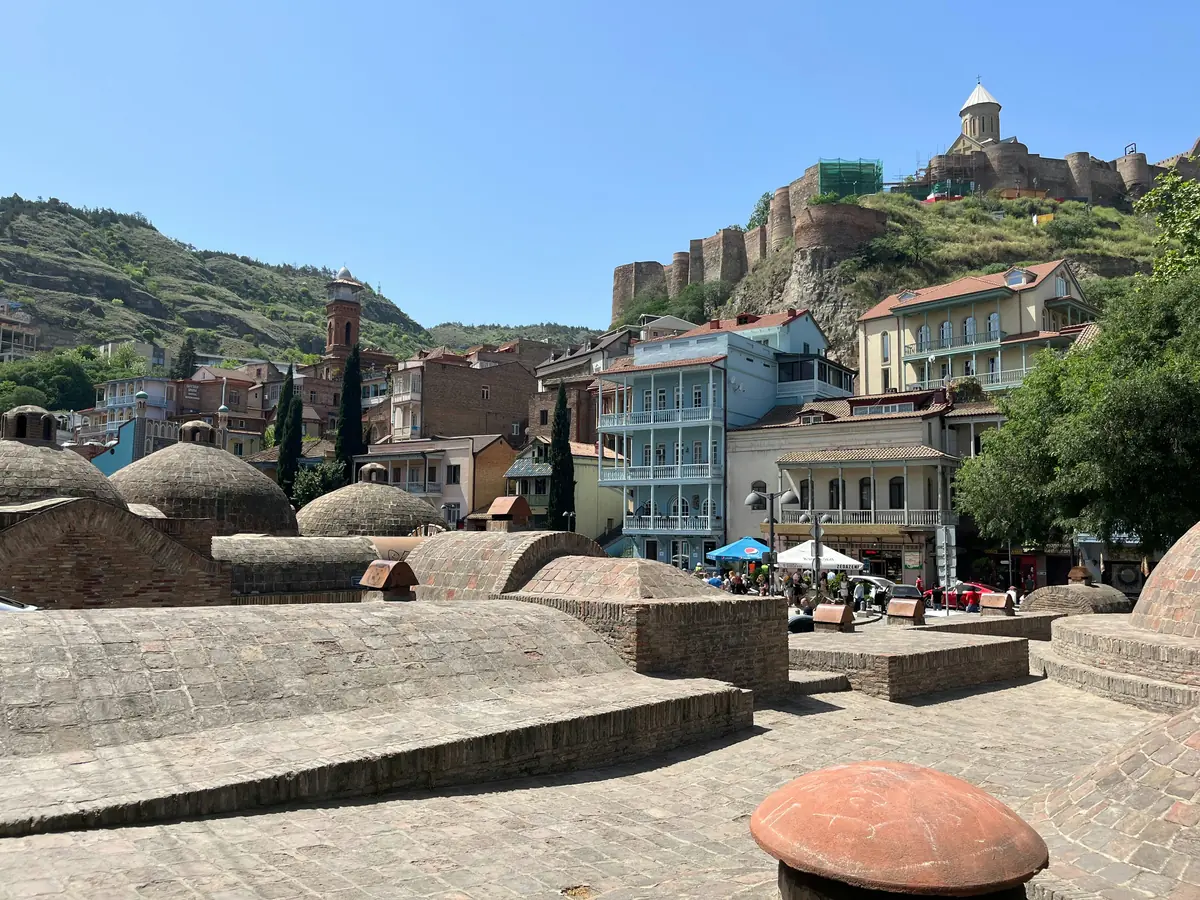
Outside Tbilisi, safety is mostly about terrain, weather, and season rather than crime. This grid pairs each headline destination with its single main hazard so you can plan around it.
| Region | Main risk | Verdict |
|---|---|---|
| Kazbegi / Stepantsminda | Altitude and winter road closures | Safe; check road status before winter trips |
| Svaneti (Mestia, Ushguli) | Fast-changing mountain weather | Safe with a guide in season |
| Batumi | Peak-season pickpocketing and bar scams | Safe; tighten up in summer |
| Kutaisi | Little; budget-airline hub | Calm and easy |
| Kakheti (Sighnaghi, Telavi) | Almost none | Among the lowest-risk regions |
| Borjomi | Ticks in summer | Safe; cover up on trails |
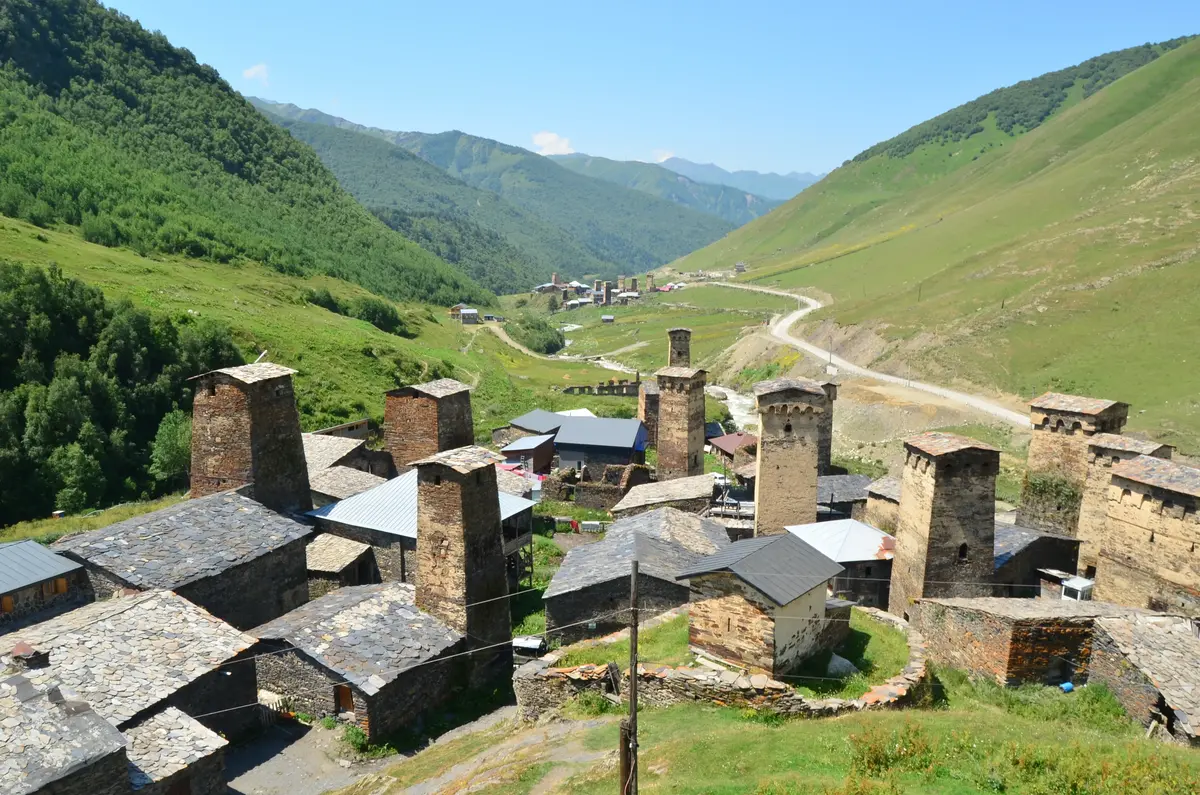
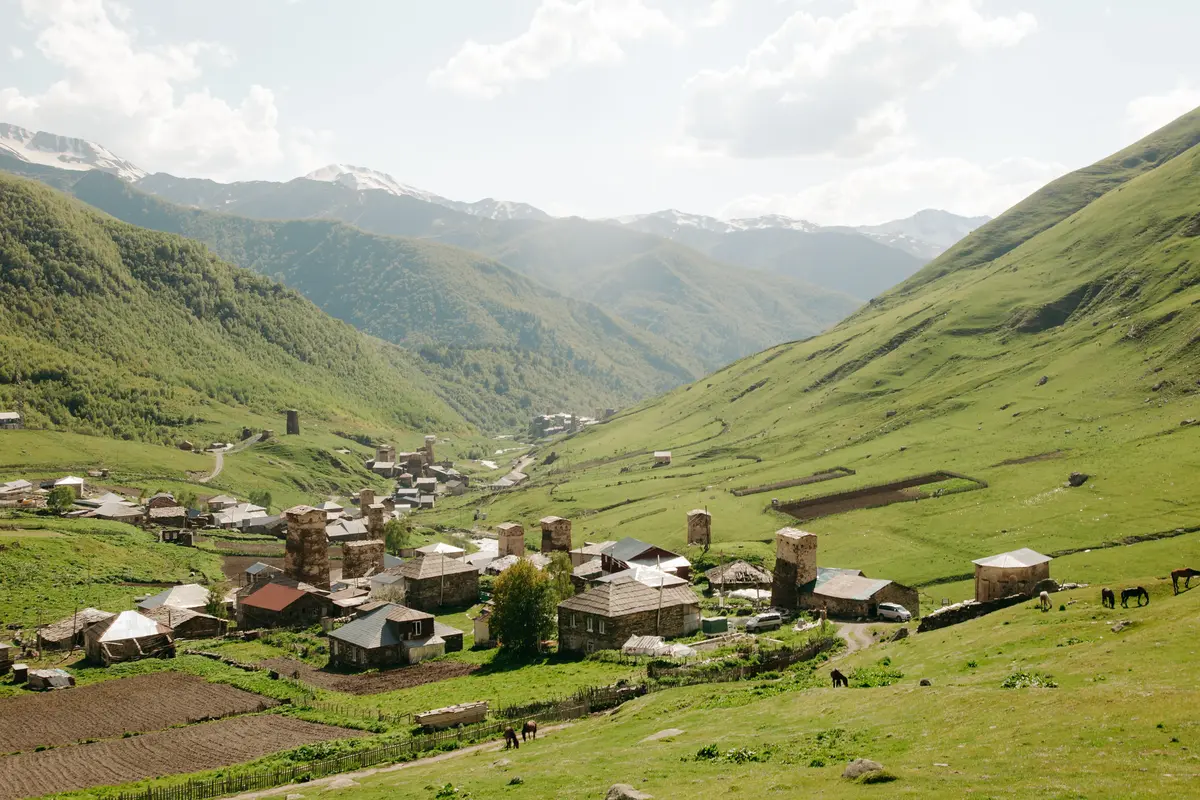
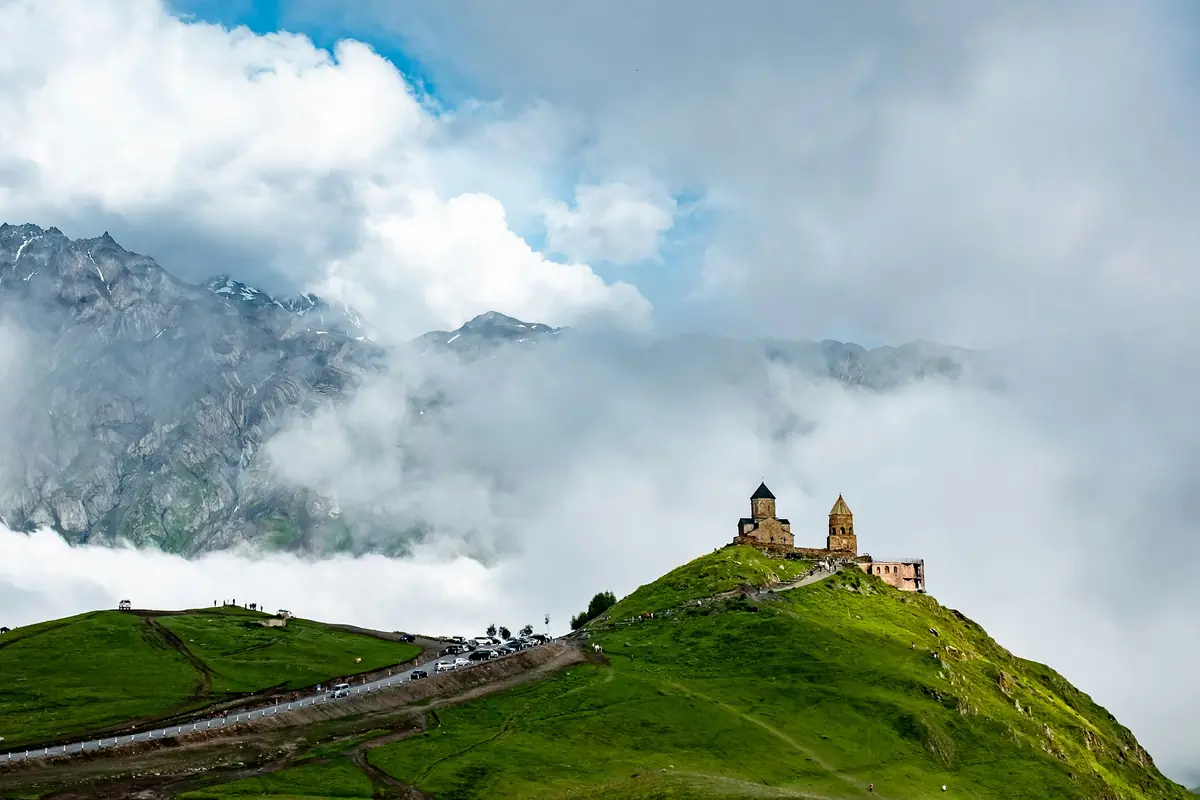
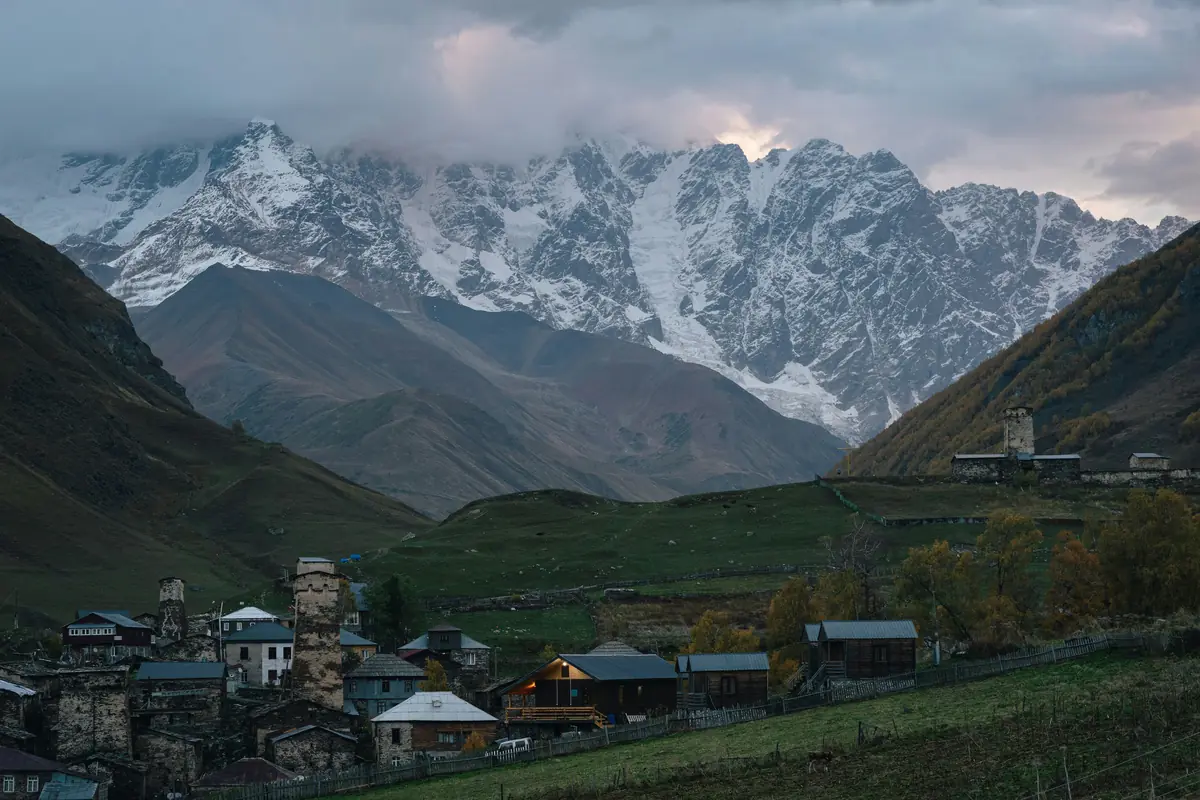
A few numbers that matter for the mountains. Gergeti Trinity Church sits at about 7,120 feet (2,170 m), and Mount Kazbek towers to 16,558 feet (5,047 m); altitude is a genuine factor on the higher hikes. Kazbegi is roughly a three-to-four-hour drive from Tbilisi on a single road that can close in avalanche season. In Svaneti, hiking weather is best from about July through September, and a local guide is worth the money when clouds drop without warning.
Season changes the risk more than region does. This quick table is worth a glance before you lock in dates.
| Season | Mountains | Cities | Notes |
|---|---|---|---|
| Summer | Prime hiking; ticks on trails | Hot, up to 95°F (35°C) in Tbilisi | Batumi gets crowded and scam-prone |
| Winter | Avalanche and road closures | Mild and quiet | Great for skiing at Gudauri, hard for mountain touring |
| Shoulder | Variable; check forecasts | Comfortable and good value | Best balance of price and safety |
Protests and the Political Situation: What It Means for You
Tbilisi has seen long-running pro-EU demonstrations centered on Rustaveli Avenue near Parliament, held mainly in the evenings. The crowds have thinned from their early peak, and after changes to the assembly rules, demonstrators largely stopped blocking traffic on Rustaveli itself. The gatherings are generally peaceful, though police have at times used tear gas and water cannon on the harder nights.
What this means for a traveler is small and manageable. There is no anti-foreign sentiment; businesses, restaurants, and transport all operate normally, and daytime sightseeing is untouched. The demonstrations are geographically contained to a specific stretch of the capital at night. The single rule to follow:
- Avoid demonstrations, and steer clear of Rustaveli near Parliament after dark. Joining a protest as a foreigner can risk a fine or detention, so watch, don’t participate.
A long-term Tbilisi resident who writes about the city reports the same picture: the gatherings stay confined to Rustaveli near Parliament in the evenings, while the rest of the city carries on as usual. If you are not looking for the protest, you will likely never encounter it.
Is Georgia Safe for LGBTQ+ Travelers?
Physically, LGBTQ+ tourists are very unlikely to be targeted — violent incidents cluster around public events, not individual travelers. Socially and legally, though, Georgia is conservative and has moved backward: a law now curbs public LGBTQ+ expression. Tbilisi is the most open; in rural areas, book a twin room to avoid friction, and skip public displays of affection.
This is the honest split most safety posts skip, so here is the fuller picture. Same-sex activity is legal, and anti-discrimination protections exist on paper. At the same time, a “family values” law — passed 84 to 0, with most of the opposition boycotting the chamber — allows authorities to ban Pride events and public “promotion” of LGBTQ+ identity. Pride gatherings have faced violent disruption in past years. Survey data has found roughly 84% of Georgians consider same-sex relations always wrong, among the highest such figures in Europe, per reporting on LGBTQ+ rights in the country.
For a visitor, the practical read is: individual travelers move through Georgia without trouble, but the climate is not affirming, and it is tightening rather than opening. Vake and Vera in Tbilisi are the most progressive pockets. Outside the capital, discretion buys an easier trip.
Health, Nature, and the Hazards Nobody Warns You About
The unglamorous risks are the ones guides gloss over. Each has a specific fix.
- Tap water: broadly safe in Tbilisi and most mountain areas, but giardia has turned up in places. A filter bottle or bottled water is the cautious call outside the capital.
- Stray and livestock-guard dogs: common in cities and on trails. Stand your ground calmly, avoid eye contact and sudden moves, and wait for a herder to call the dog off. Rabies risk is real; post-exposure shots are available in cities like Tbilisi and Telavi if you are bitten.
- Altitude: a genuine factor on the Gergeti Glacier route and Mount Kazbek. Ascend gradually and know the symptoms.
- Ticks: present in Borjomi and Svaneti in summer. Cover up on trails and check yourself after.
- Earthquakes: Georgia sits in a seismically active zone. Nothing to fear day to day — just know it.
- Emergencies: dial 112. Operators in the cities often speak some English.
The reason all of this matters financially: a medical evacuation from the mountains can run anywhere from $10,000 to $50,000 or more. That single figure is why insurance is not optional here — and, as it happens, no longer optional legally either.
Entry Logistics US Travelers Must Not Skip
Two entry facts trip up unprepared US travelers, and both are easy to handle if you know them before you fly.
Visa and passport:
- US citizens enter visa-free for up to 365 days per entry — one of the most generous policies anywhere.
- Keep at least six months of passport validity to be safe.
- Leaving and re-entering resets the 365-day clock.
Mandatory insurance:
- Georgia now requires every tourist to carry valid health and accident insurance covering the full stay, with minimum coverage of 30,000 GEL (about $11,000).
- Border officers can check it, and airlines have been verifying it at check-in and the gate.
- Buy a compliant policy online before you fly; border options are pricier and slower. Most standard international policies qualify — just confirm Georgia is covered, the dates match, and the certificate is in English or Georgian.
- Add an adventure-sports rider if you plan to ski or trek above about 6,600 feet (2,000 m).
- Travelers without proof risk refused entry or a fine reported around 300 GEL.
Money:
- The Georgian lari (GEL) is the only legal tender, trading around 2.7 to the US dollar.
- Use bank ATMs; declare large sums of cash (roughly $11,000-plus equivalent) at the border.
The US Embassy in Tbilisi confirms the insurance requirement took effect for all tourists and must cover the entire period of stay — so treat the policy like your passport and airline ticket, not an afterthought.
The Bottom Line: Should You Go?
Yes — Georgia is a safe, welcoming destination for nearly every traveler, solo women included. The country’s low crime and Level 1 status are real, and the genuine risks are specific and manageable rather than general.
TL;DR: Georgia is safe. Follow three rules and you have covered almost every real risk — (1) use ride-hailing apps and skip street and airport taxis, (2) stay out of South Ossetia and Abkhazia and away from demonstrations, and (3) respect the roads, which means seatbelts, no night driving, and a reputable driver on mountain routes. Then buy a compliant insurance policy before you fly, because it is now required at the border.
Do that, and the thing most likely to catch you off guard in Georgia is how generous a stranger can be — not anything on this list.
Have you been to Georgia, or are you weighing a trip? What’s the one safety question still on your mind — the roads, the solo-travel angle, the new insurance rule? Drop it in the comments.