Getting around Georgia is cheap, unscheduled, and occasionally chaotic. A minibus to Kazbegi costs about $5 and leaves when the last seat fills, not at 9:00. The train to Batumi is Swiss-built and sells out in summer. Here is every mode, what it costs, and which station to actually stand in.
Quick Answer: The Fastest Way to Choose Your Transport
Take the Stadler train for Batumi and the western routes, marshrutka minibuses for everywhere else on the cheap, Bolt for taxis in cities, and a private GoTrip driver or shared 4×4 for the mountains. Trains and flights book online. Marshrutkas take cash only and leave when full, not on a timetable.
That splits the country cleanly:
- Trains work for: Batumi, Zugdidi, Poti, Ozurgeti, Borjomi and Kutaisi airport.
- Marshrutkas, hired drivers or a rental car work for: Kazbegi, Kakheti, Svaneti and Tusheti.
- Bolt works for: everything inside Tbilisi, Batumi and Kutaisi, plus airport runs.
Georgia Transport at a Glance: Cost, Time and Comfort Compared
| Mode | Typical cost | Comfort | How to book | Best for |
|---|---|---|---|---|
| Marshrutka (minibus) | 5–35 GEL ($2–13) on most routes | Low | Cash to the driver, at the station | Budget travel and towns the train skips |
| Train (Stadler KISS) | From 35 GEL ($13), 2nd class Tbilisi–Batumi | High | tkt.ge, tre.ge, railway.ge | Batumi, Zugdidi, Kutaisi airport |
| Bolt / Yandex Go / Maxim | 3–6 GEL ($1–2) city rides; 25–35 GEL ($9–13) airport–center | Medium-high | App | Cities and short hops |
| Private driver (GoTrip) | From about 180 GEL ($66) per car, Tbilisi–Gudauri | High | Online, fixed price | Mountain days with photo stops |
| Rental car (Local Rent and similar) | From about 80 GEL ($30) per day plus fuel | Total freedom | Online | Multi-region road trips |
| Domestic flight (Vanilla Sky) | About 90 GEL ($33), Natakhtari–Mestia | Fast, weather-dependent | ticket.vanillasky.ge | Svaneti when time is short |
Fares move, and the lari-to-dollar rate moves with them. Treat every number above as a starting point and check the operator’s own page in the week you travel — the links throughout this guide go to primary sources, not aggregators.
How Marshrutka Minibuses Actually Work
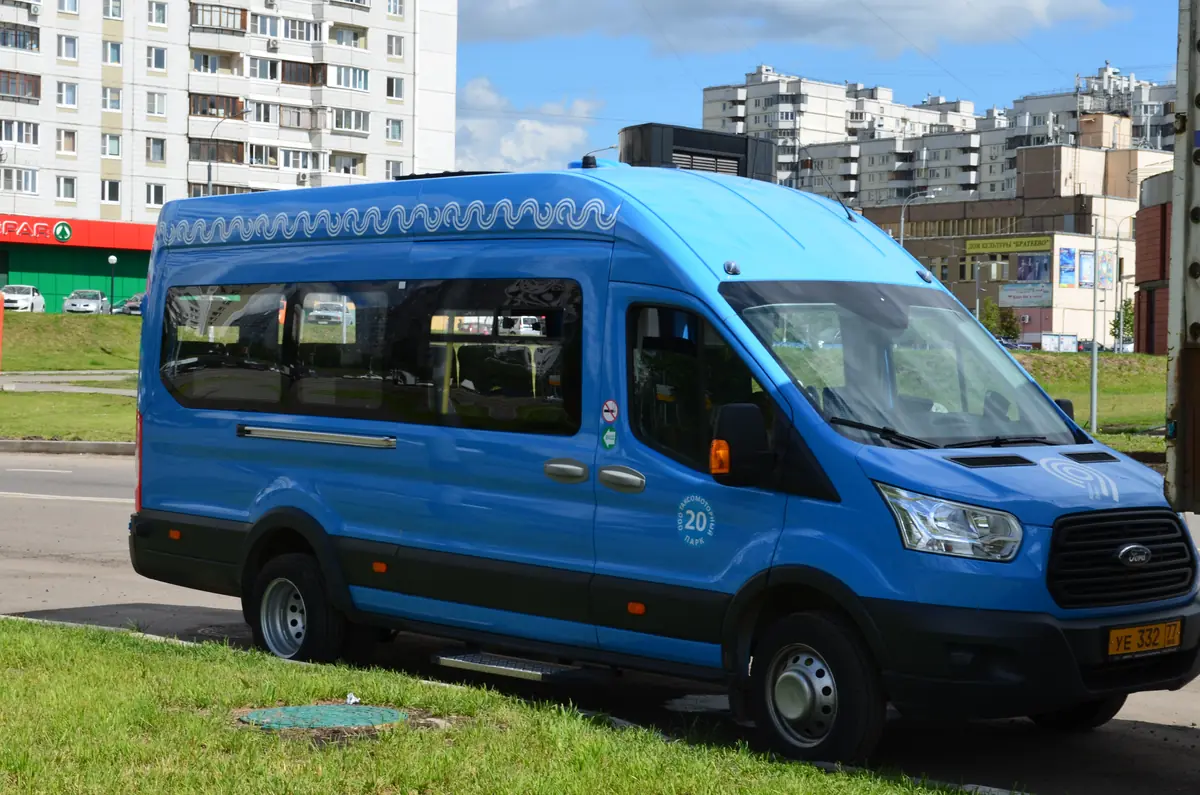
A marshrutka is a shared minibus that runs a fixed route but leaves only when every seat is full. Most routes cannot be pre-booked; you pay the driver in cash lari. There is no national timetable, so confirm the departure time at the station the day before, or have your guesthouse call the driver.
The mechanics, in the order you’ll meet them:
- Fare: 5–35 GEL ($2–13) for nearly every intercity route, paid in cash to the driver.
- Arrive: 30–45 minutes early on routes with no presale. Popular morning departures fill first.
- Find it: the windshield sign is often Georgian-only. Say your destination to the first driver you see; travelers consistently report being pointed straight to the right van. Repeat “marshrutka, not taxi” — the taxi drivers work the same crowd.
- Seatbelts: front seats only, in most vans.
- Luggage: tight. Skis and boards ride on the roof. A large suitcase may cost you a seat fare.
- Stopping: “gaacheret” is the word for “stop here.”
Guesthouse hosts are more reliable than the internet for departure times. They phone the driver directly, and they can often hold you a seat — worth doing on the mountain runs, where the first van of the day is the one you want.
Pro Tip: Make your first marshrutka a short one. A 20-minute run to Mtskheta teaches you the whole system — the shouting, the cash, the waiting — for about a dollar, before you commit to a four-hour mountain leg.
Long-distance vans have been living under a threatened restriction: a rule barring minivans from carrying passengers on journeys over 93 miles (150 km). It was announced, then deferred, and the vans on those routes run as normal. Plenty of competing guides still say the long-haul vans are banned. They aren’t — but confirm at the station rather than trusting any page, including this one, on a rule that keeps moving.
Where to Sit If You Get Carsick
Travelers who’ve done the Kazbegi and Svaneti runs say the same thing: sit as far forward as you can. The rear bench on a mountain road is a punishment, and vans have no air vents you control. Hikers on the Zugdidi–Mestia route also report vans overheating on the climbs, turning a 3-hour trip into 4.5. Bring water and don’t book anything tight on the far end.
Which Tbilisi Bus Station Serves Which Destination
Tbilisi has four departure points, and they are nowhere near each other. Going to the wrong one is the single most common first-timer mistake — it costs an hour and a taxi fare.
| Destination | Station | Notes |
|---|---|---|
| Kazbegi, Gudauri, Mtskheta, Gori, Kutaisi, Batumi, Zugdidi, Borjomi, Akhaltsikhe | Didube (Okriba) | Next to Didube metro; 5 miles (8 km) from Freedom Square, about 20 minutes by car |
| Sighnaghi, Telavi and the rest of Kakheti; international buses to Yerevan and Baku | Ortachala (Central) | Some routes have presale tickets online |
| Kakheti vans and shared taxis | Samgori | Isani is a pickup point on the way out, not an origin |
| Mestia (Svaneti) | Navtlughi | Direct vans only; the long haul |
| Kvemo Alvani (the jumping-off point for Tusheti) | Ortachala | You change to a shared 4×4 there |
Surviving Didube, Tbilisi’s Main Van Hub
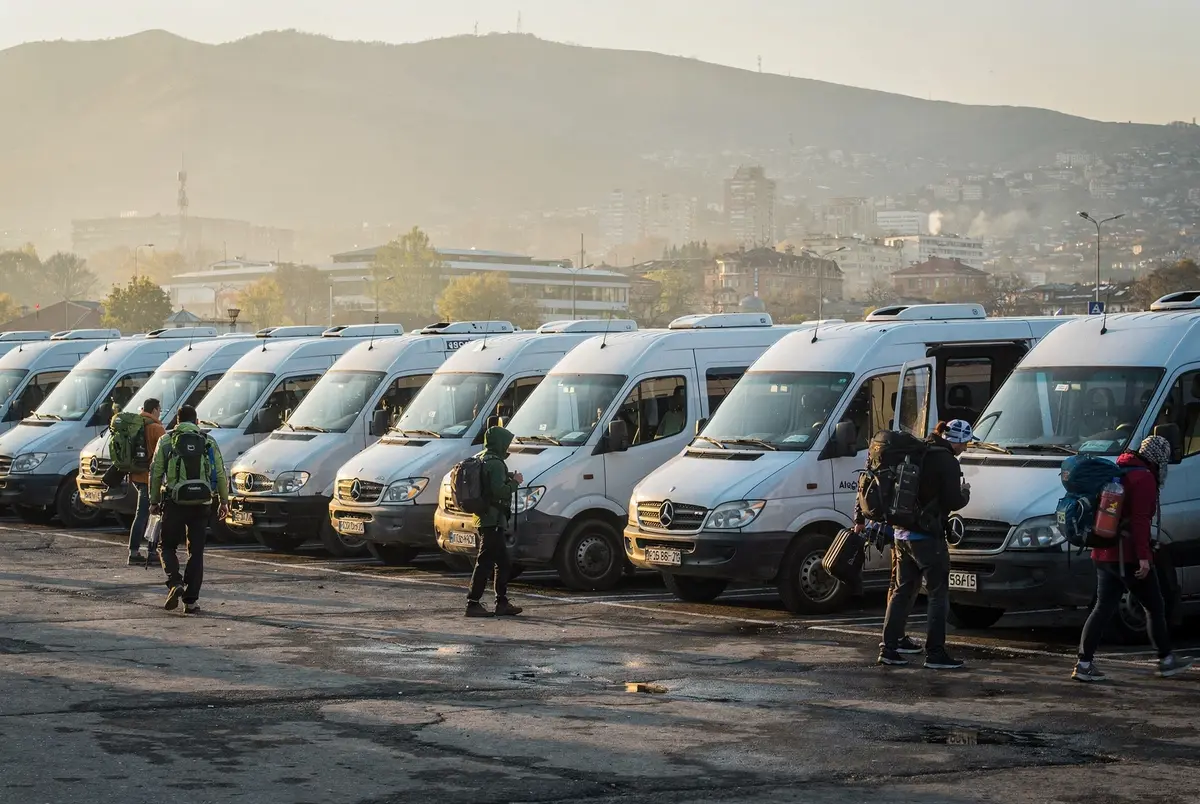
Didube is a produce market, a taxi rank and a bus depot occupying the same few hundred yards, with no information desk and no departure board. Travelers routinely spend 30 to 45 minutes finding the right van. Budget the time and it stops being a problem.
What you need to know before you walk in:
- Getting there: Didube metro drops you at the edge of it. A Bolt from the old town runs a few lari and saves you the transfer with luggage.
- Cash: there’s a Bank of Georgia ATM by the metro exit. Get lari before you look for your van — no driver takes cards.
- Toilets: 30–50 tetri (roughly 10–20 cents), coins only.
- Signage: Georgian script dominates, though the high-volume destinations are often signed in English too.
One thing that reads as a scam and isn’t: a driver will approach you offering a pricier van to Kazbegi with photo stops at Ananuri and the Friendship Monument. That’s a real product, not a hustle — a tourist shuttle competing with the direct public van. The cheap van gets you there; the expensive one shows you the road. Just know which one you’re buying.
Trains in Georgia: The Comfortable Option on the Right Routes
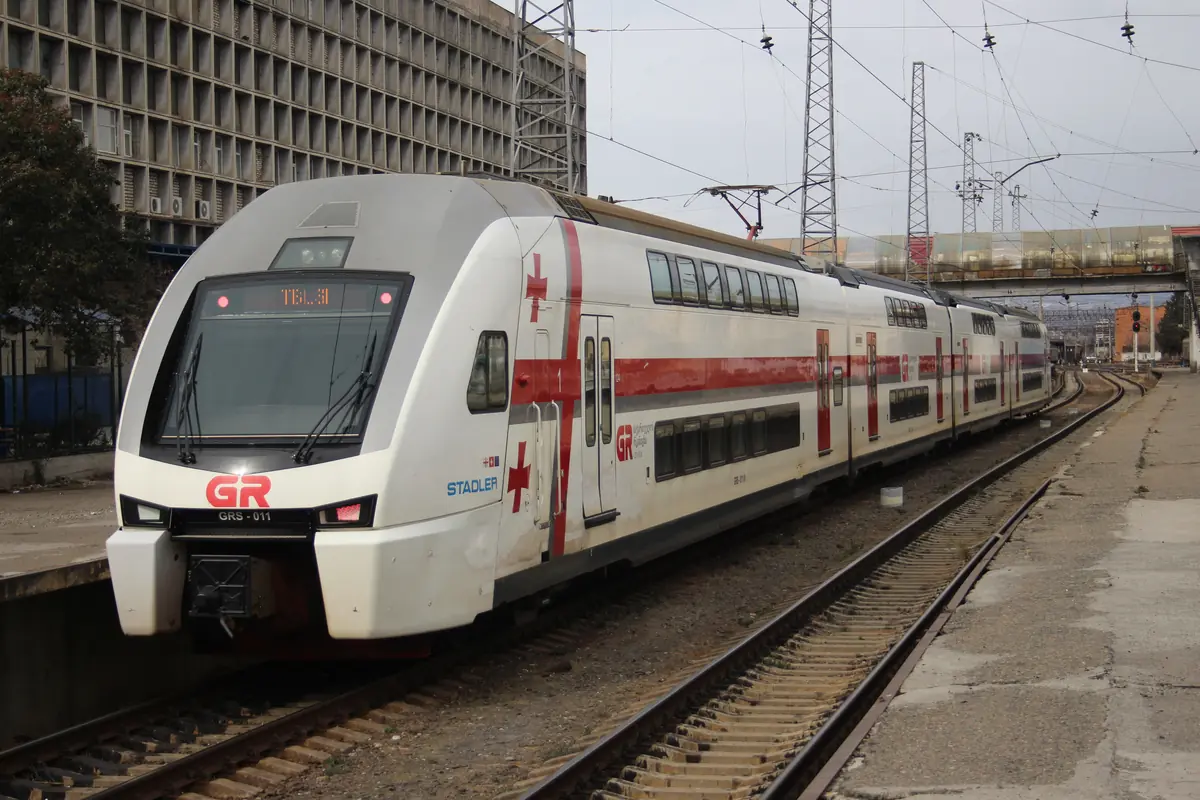
Georgia’s flagship train is the Swiss double-decker Stadler KISS on the Tbilisi–Batumi line, with second, first and business class. It’s the calmest and safest way to reach the Black Sea. Trains also serve Zugdidi (the gateway to Svaneti) and Kutaisi airport — but there is no train to Kazbegi and none to the eastern wine country.
Tbilisi to Batumi on the Stadler KISS
- Journey time: 5 hours 8 minutes in summer, 5 hours 12 minutes in winter. A new tunnel on the line has cut roughly half an hour, and Georgian Railway has signaled summer times heading toward four hours.
- Fares: from 35 GEL ($13) second class, 75 GEL ($28) first, 125 GEL ($46) business.
- Departures: at least two daily each way year-round, roughly 08:00 and 17:35 out of Tbilisi, with additional trains in high season.
- Booking: tkt.ge or tre.ge. Business-class seats are typically released about 24 hours before departure.
- Luggage: up to 79 pounds (36 kg) included.
- At the gate: passport or ID is checked when you board. Bring the physical document.
Tickets to Batumi sell out fast in summer and around holidays. Refunds are full if you cancel at least 15 hours before departure, minus a 2.50 GEL (about 90 cents) commission.
Pro Tip: Book the right-hand side of the train heading to Batumi. The last stretch runs along the coast, and that’s the side the Black Sea is on.
Tbilisi to Zugdidi: The Svaneti Connection
One daily departure, around 08:15, roughly six hours, from about 16 GEL ($6). It exists mainly as the first leg of the Mestia journey — see the mountains section below.
Is Bolt Available in Georgia? Taxis and Ride-Hailing Explained
There’s no Uber in Georgia, but Bolt works just like it and is the best option, with Yandex Go and Maxim as backups. Always book in the app rather than hailing on the street — app pricing removes the language barrier and the tourist markup. City rides typically cost a few lari; airport-to-center runs about 25–35 GEL ($9–13).
The rules that keep the price honest:
- Register the app before you fly. SMS verification sometimes fails on foreign numbers once you’re on a Georgian SIM.
- Never take a driver who approaches you inside the airport terminal, even if he says he’s your Bolt. Walk to the app pickup point.
- If you do take a street taxi, agree the fare out loud before the door closes. Meters are rare.
- Decline any driver who asks you to cancel the app ride and pay cash. That’s how the fare doubles.
- Tipping isn’t customary. Rounding up is enough.
Overcharges are rare and fixable: travelers report Bolt’s in-app support crediting the difference back within hours when a route gets padded.
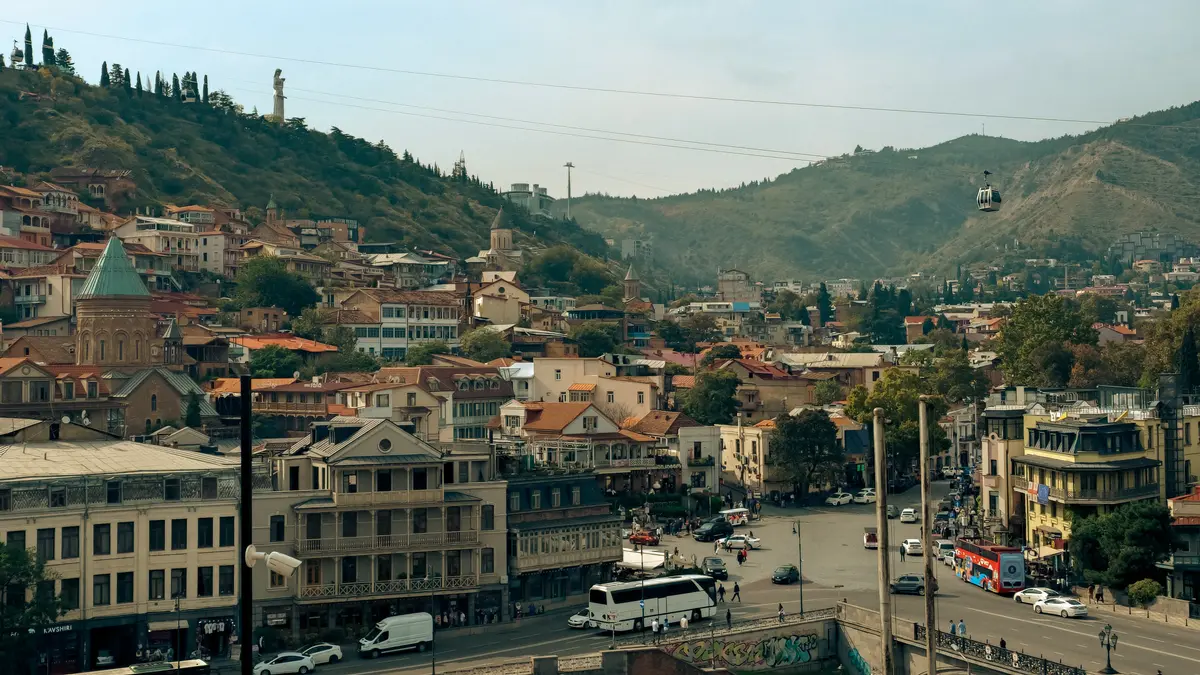
How Do You Get Around Tbilisi Itself?
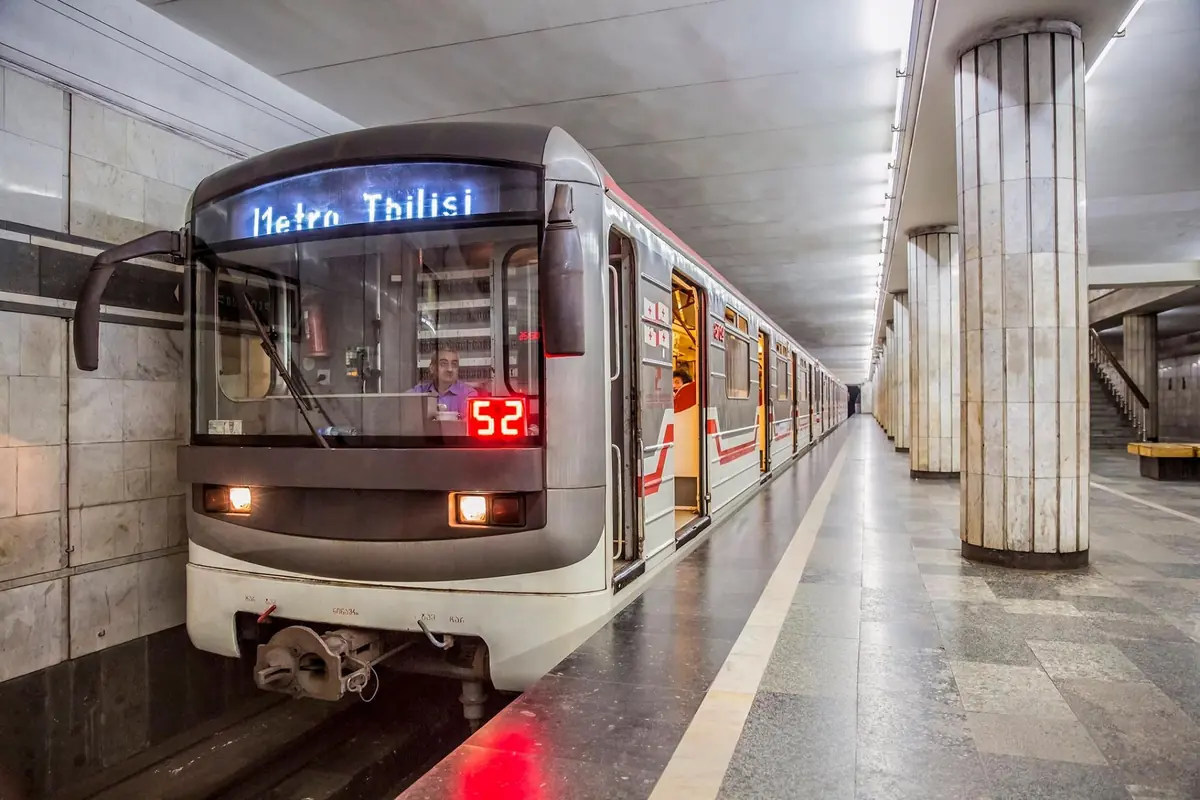
Tbilisi’s metro, buses and minibuses all cost 1 GEL (about 35 cents) per ride, with free transfers for 90 minutes. Buy a rechargeable Metromoney card for a 2 GEL deposit at any metro station — it works on the cable car too. The system is cashless, though you can tap a foreign contactless card for a slightly higher fare.
- Network: two lines, 23 stations, running roughly 6 a.m. to midnight. They cross at Station Square.
- Foreign card tap: about 1.50 GEL (55 cents) per ride instead of 1 GEL — the Metromoney card pays for itself in four rides.
- Topping up: Bank of Georgia “Express” payboxes. They give no change, so feed them what you intend to spend.
- Cable car: the Rike–Narikala line accepts Metromoney only. No cash, no card.
- Airport: no metro. Bus 337 or Bolt.
Full fare and route details are on the Tbilisi Transport Company site, which is the only source that stays current when fares change.
Renting a Car vs Hiring a Driver in Georgia
The main highways — the E60 to Batumi, the Kakheti roads, the run to Mtskheta and Gori — are fine in a standard sedan. The mountains are a different question, and the honest answer is that most travelers should not self-drive them.
Three things that catch out Americans used to renting anywhere:
- Most rental contracts prohibit the Mestia–Ushguli road, the Lentekhi route and Tusheti outright, and enforce it with GPS tracking. Some agencies, including Local Rent, let you filter for cars where those roads are permitted — do that filtering before you book, not at the counter.
- An SUV is not the same as a permitted 4×4. The vehicle class you want is whatever the contract allows on the road you’re driving.
- Livestock treats rural roads as pasture. Cows on the asphalt are normal, not an event, and they don’t move for you.
Add faded lane markings, confident overtaking on blind curves and frequent speed cameras. There are no toll roads. Emergency number is 112.
A private driver through GoTrip splits the difference: a fixed price, your route, stops where you want them, and someone else handling the Georgian Military Highway. It functions like a long-distance Uber booked a day ahead.
This is where the received wisdom deserves pushback. The marshrutka gets sold as the authentic Georgian experience, and on a 40-minute hop it is. On a four-hour mountain leg with no seatbelt and no room for your knees, it’s a false economy — the train or a shared private car costs more and returns the day to you. Take the van because it’s cheap and it goes where nothing else does, not because someone told you it was the real Georgia.
How Do You Reach the Mountains? Kazbegi, Svaneti and Tusheti
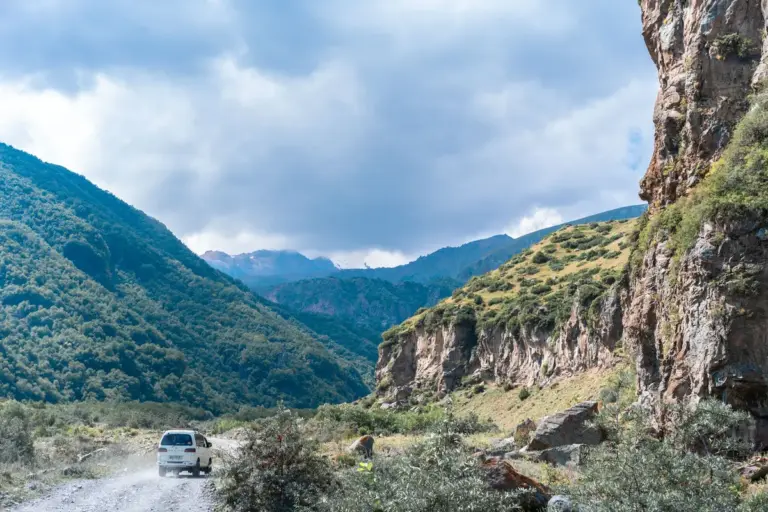
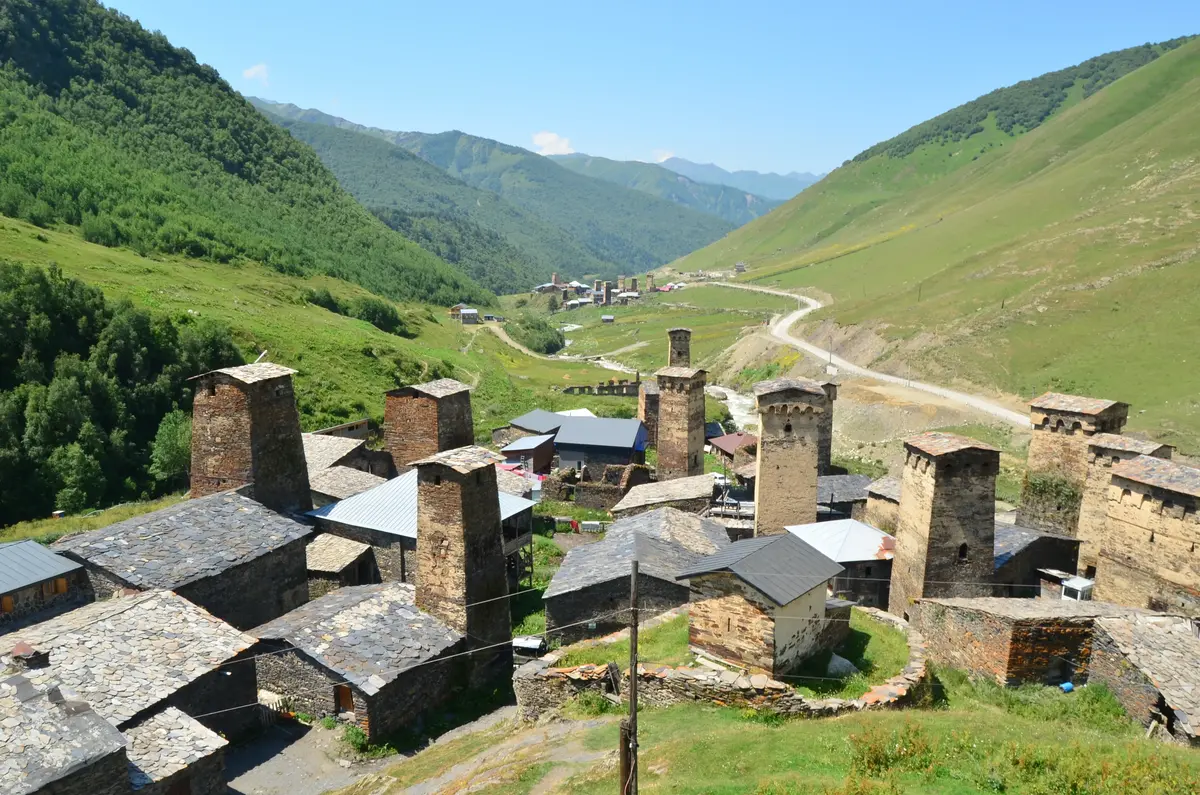
There is no train to the high mountains. Kazbegi is a 3-hour marshrutka from Didube or a private-driver day trip. Mestia takes a train-plus-van combo, a long direct van, or a short flight. Tusheti has no public transport at all — only a shared 4×4 over the Abano Pass.
Kazbegi and the Georgian Military Highway
- Marshrutka: from Didube, about 15 GEL ($5.50), 3 to 3.5 hours.
- Private driver: from roughly 185 GEL ($68) per car via GoTrip.
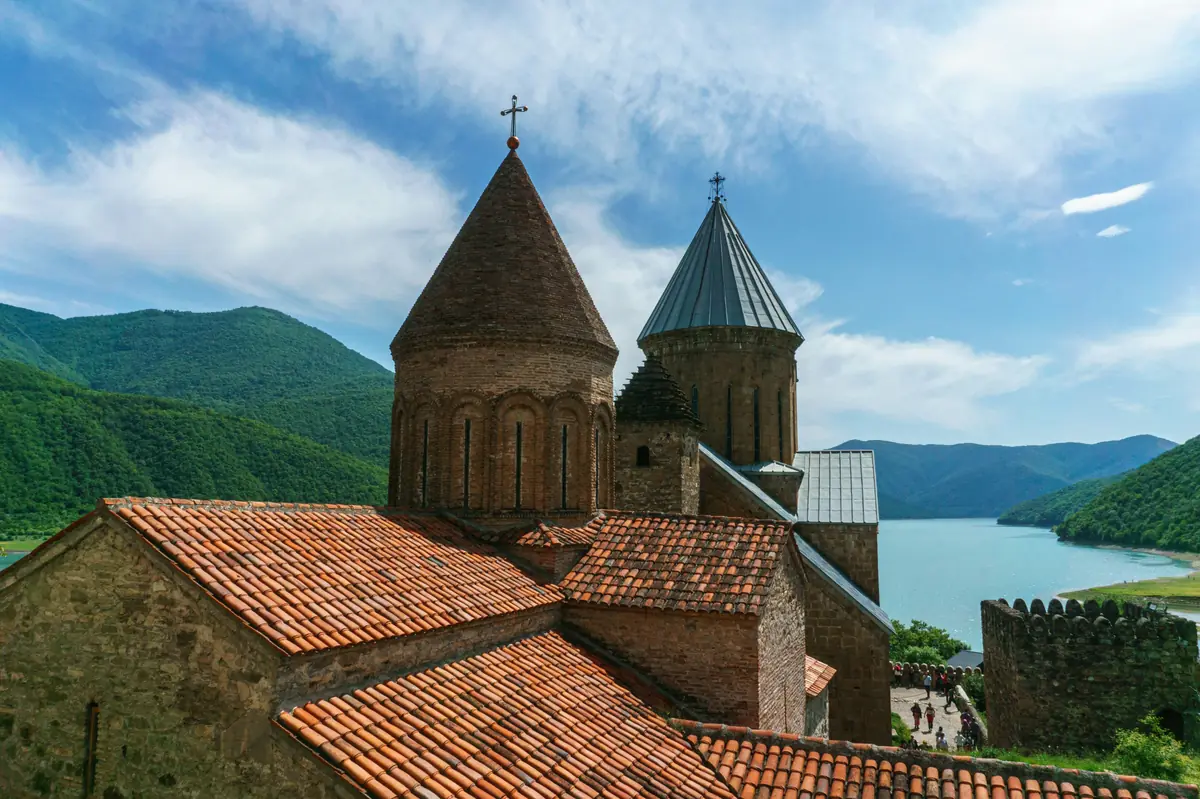
- The trade-off: the van does not stop. Ananuri and the Friendship Monument are both on the route, and you’ll see them through a window at 50 mph. A driver makes both of them stops, which is the entire argument for spending the extra money on this particular road.
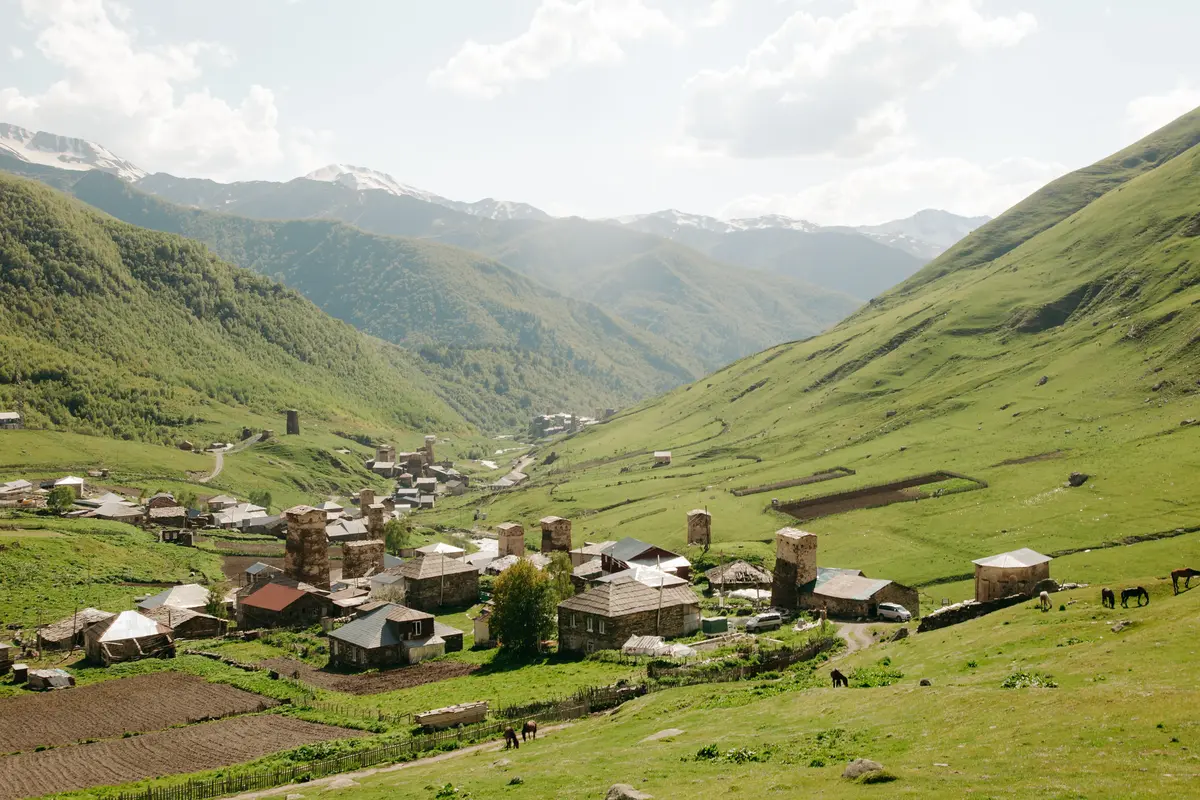
Svaneti: Getting to Mestia
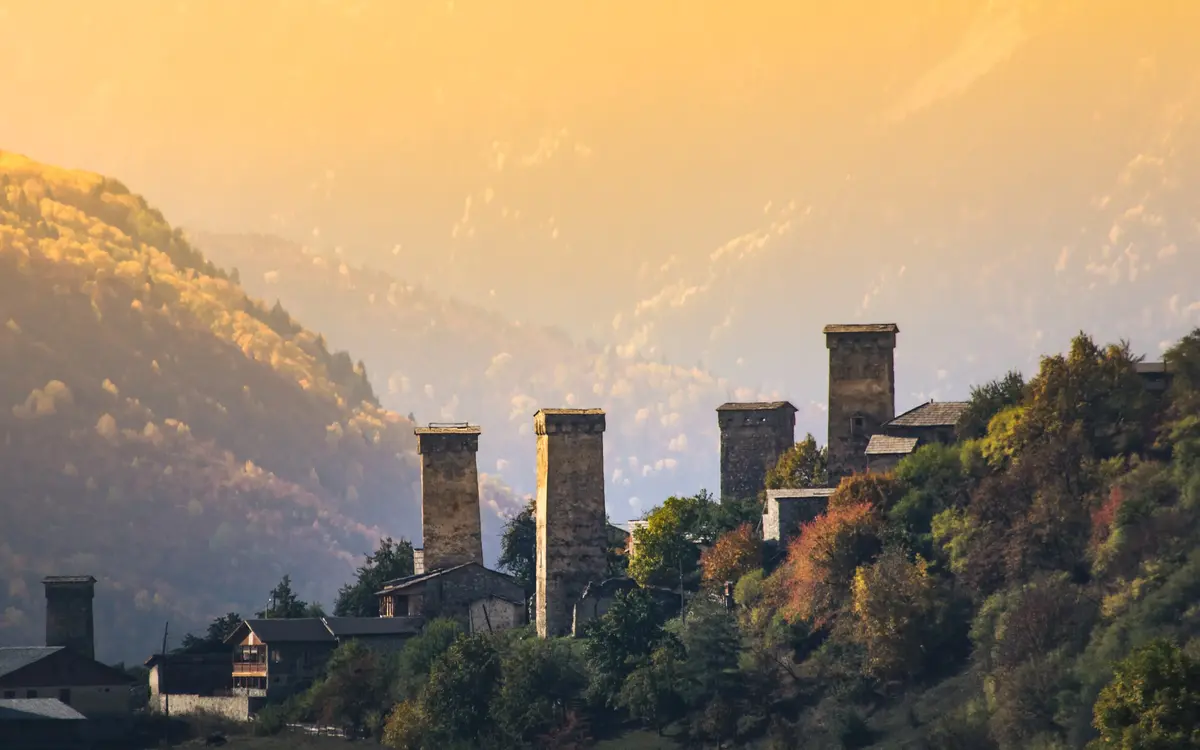
Mestia sits 285 miles (460 km) from Tbilisi, and every option is a compromise.
- Best value: the daily train to Zugdidi (from ~16 GEL / $6, about 6 hours), then a Zugdidi–Mestia marshrutka (35–40 GEL / $13–15, 3 to 4 hours). The vans are timed to the train — travelers describe stepping onto the platform to drivers already shouting “Mestia!”
- Direct van: from Didube, about 50 GEL ($18), 9 to 10 hours. Long.
- Flight: Vanilla Sky from Natakhtari, about 90 GEL ($33), 40 to 50 minutes.
Tusheti and the Abano Pass
- No public transport exists. None.
- Shared 4×4 from Kvemo Alvani to Omalo: roughly 50–100 GEL ($18–37) per seat, 3.5 to 4 hours.
- Timing: most jeeps leave in the morning, by 10 or 11 a.m. Miss them and you’re waiting a day.
- The pass: Abano tops out around 9,272 feet (2,826 m) on a dirt track, open roughly June to September.
- Getting to the start: vans to Kvemo Alvani leave from Ortachala, not Didube.
Domestic Flights: When Flying Actually Makes Sense
Vanilla Sky (operating as Service Air) flies 17-seat LET-410 turboprops from Natakhtari airfield, 14 to 19 miles (23–30 km) outside Tbilisi, to Mestia and Ambrolauri, plus a Kutaisi–Mestia route.
- Fare: about 90 GEL ($33) adult, Natakhtari–Mestia.
- Flight time: 40 to 50 minutes, versus 9 to 10 hours in a van.
- Baggage: 33 pounds (15 kg). Hikers with full packs feel this.
- Getting to the airfield: a free shuttle van runs from Rose Revolution Square in Tbilisi.
- Booking: online at Vanilla Sky, typically up to about 30 days ahead.
The catch is weather. Passengers routinely report flights cancelled a day or two out, with a road transfer back to Tbilisi included in the fare — which is decent of them, but it isn’t the 40 minutes you booked. Never make this flight the load-bearing leg of a tight itinerary. Know what the train-and-van backup looks like before you buy the ticket.
Is It Safe to Get Around Georgia?
Georgia is generally safe for travelers — the U.S. State Department rates it Level 1, “exercise normal precautions.” The real transport risks are road-related: aggressive overtaking, no seatbelts in marshrutkas, and winding mountain roads. Avoid the Russian-occupied regions of Abkhazia and South Ossetia entirely, including the poorly marked administrative boundary lines.
The specifics that matter, all of which you should verify against the U.S. State Department advisory before you travel, since levels and rules change:
- Occupied territories: South Ossetia and Abkhazia carry a Level 4 “do not travel” rating for crime, civil unrest and landmines. U.S. embassy personnel are barred from going within 3 miles (5 km) of the Administrative Boundary Lines except in a fully armored vehicle. The lines are not fenced or clearly signed, and travelers have been detained for crossing them without knowing.
- Travel insurance is mandatory. Under Regulation No. 602, arriving travelers must hold health and accident cover with a minimum of 30,000 GEL (roughly $11,000). Non-compliance can mean refused entry or a fine reported at 300 GEL (about $110). Confirm the current threshold with the U.S. Embassy in Tbilisi — this is a rule you do not want to test at passport control.
- Mountain roads: travel them in daylight. The drops are unguarded and the shoulders are theoretical.
- Emergencies: 112, nationwide.
When the Roads Open and Close
Timing decides which mountain routes exist at all. A Tusheti plan in October is not a plan.
| Route | Typically open | Vehicle | Notes |
|---|---|---|---|
| Abano Pass (Kvemo Alvani–Omalo, Tusheti) | Roughly June to September | Permitted 4×4 only | Snowbound and closed the rest of the year |
| Mestia–Ushguli | Year-round in theory | 4×4 | Effectively impassable in deep winter snow; most rental contracts prohibit it |
| Georgian Military Highway (Tbilisi–Kazbegi) | Year-round, plowed | Sedan in summer; winter tires or chains in cold months | Short closures after heavy snowfall or avalanche risk |
| Zagari Pass (Ushguli–Lentekhi) | Summer only | 4×4 | Rough, remote, no services |
| Rikoti route (Tbilisi to the west) | Year-round | Any car | New bypass sections have cut driving times toward the coast |
Shared transport into Svaneti thins out sharply outside summer. Check GeoRoad, the Georgian roads department, for live closures before any mountain day — official notices are the only source that updates within hours.
Build Your Own Georgia Transport Plan
Four travelers, four different countries:
- Ten days, first visit: train to Batumi, a GoTrip driver for the Kazbegi day, a van to Sighnaghi. You’ll spend maybe $120 total on transport.
- Solo and counting lari: marshrutkas everywhere, with the Zugdidi train-plus-van combo for Svaneti. Learn Didube on day one.
- Family or anyone who values a seatbelt: trains and private drivers. Skip the mountain vans entirely — it isn’t worth the argument at 8,000 feet.
- Trekker: Zugdidi train, Mestia van, and the shared 4×4 out of Kvemo Alvani for Tusheti in the summer window.
Whatever the plan, check the fares and the departure times the week you travel — this is a country where the timetable is a rumor and the price is whatever the driver says it is. Show up early, carry lari, and let the van fill.