Georgia country travel cost sits in a strange sweet spot: cheaper than almost anywhere in Europe, yet no longer the pocket-change destination old blog posts promise. This guide breaks a trip down to real numbers — a $2 khachapuri, a ₾1 metro ride, a full week’s spend — in both lari and dollars, so you can budget from facts.
What Does a Trip to Georgia Actually Cost per Day?
A comfortable independent trip runs about $50–100 (₾135–270) per person per day — a mid-range guesthouse or 3-star room, restaurant meals with wine, local transport, and the odd day tour. Shoestring backpackers manage on $30–45 (₾80–120). Luxury travelers spend $150 and up. International airfare sits on top of every figure here.
Crowdsourced averages muddy that picture. One widely cited dataset pegs the “average” budget traveler at roughly $14 (₾38) a day, mid-range at $38, and luxury at about $111. Those numbers reflect extreme shoestring stays and older prices — real independent travel, with a private room and two sit-down meals, lands closer to $40–60. When a source quotes $14 a day, read it as a theoretical floor, not a plan.
Georgia earned its dirt-cheap reputation, and the folklore hasn’t caught up with the receipts. The khachapuri index — a local benchmark that prices a standard cheese bread — has more than doubled, from around ₾3.35 to roughly ₾8. It’s still strong value; it just isn’t pocket change anymore.
Costs also shift by where you go:
| Cost item | Tbilisi | Kazbegi | Batumi |
|---|---|---|---|
| Cheapest bed | Dorm ₾20–40 | Guesthouse ₾30–60 pp | Similar off-season; summer premium |
| Casual meal with a drink | ₾25–45 | ₾25–40 | Similar, higher in peak season |
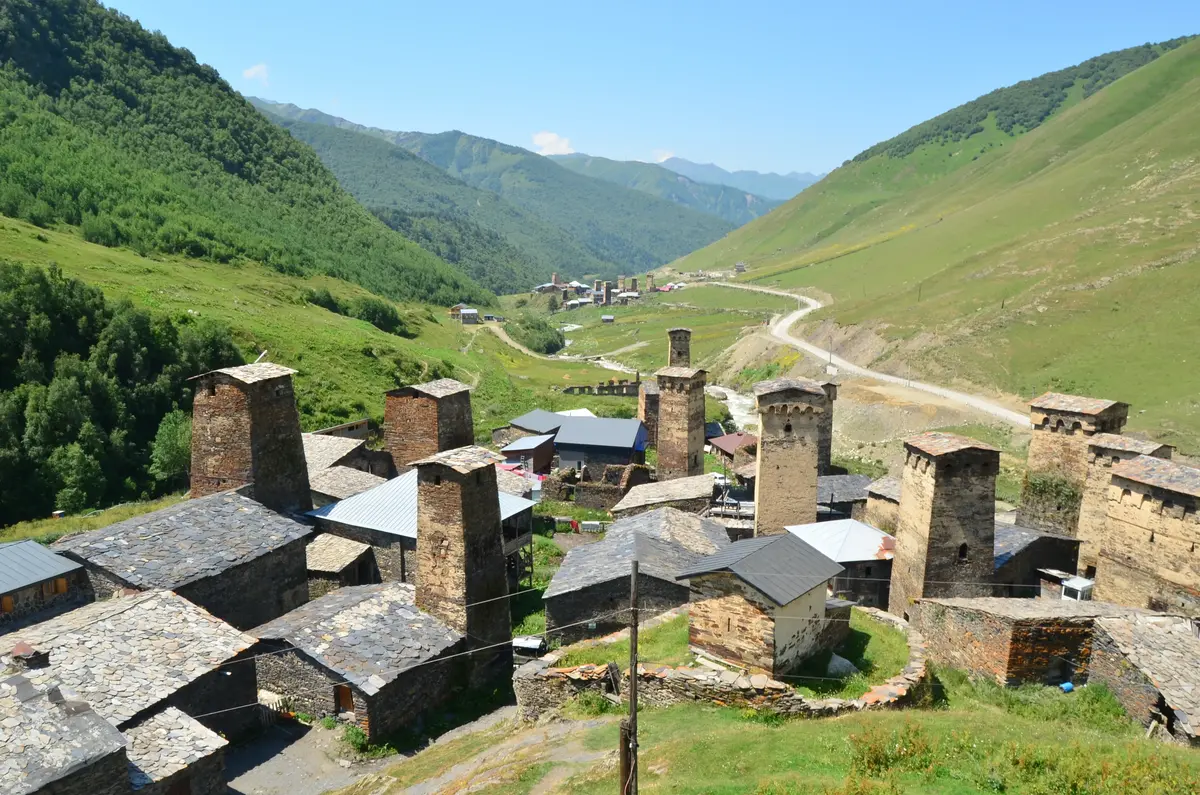
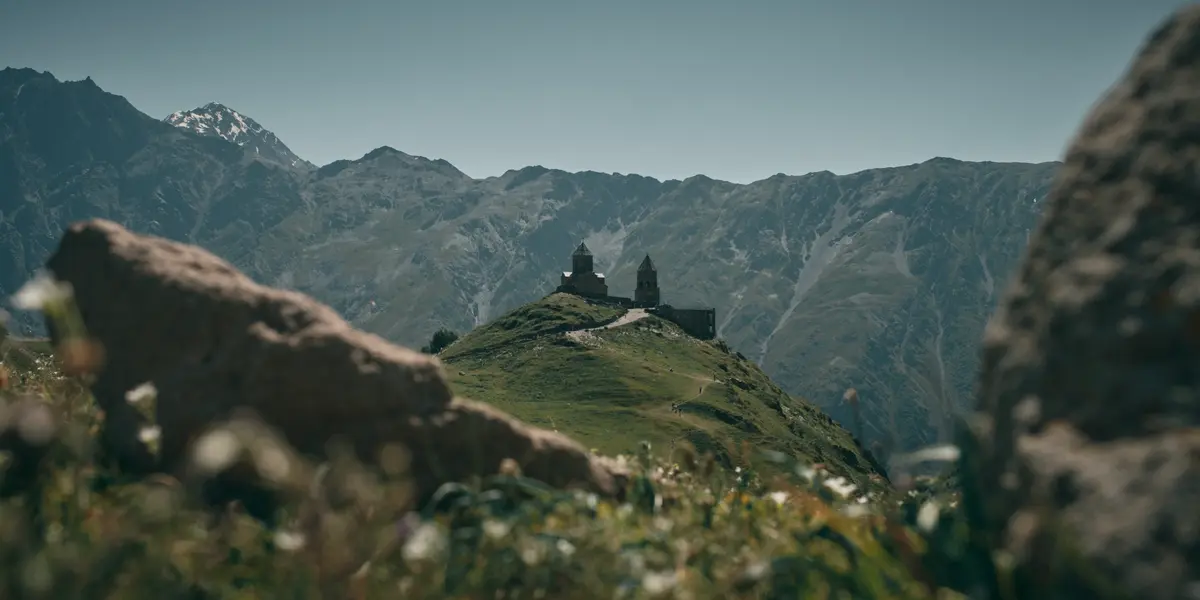
| Free or signature thing to do | Public sulfur baths ₾10–15 | Gergeti hike (free); off-road day trip from ~$66 | Seaside boulevard and beach (free) |
Batumi is the one place where a July–August premium is real — the same room that’s a bargain in spring commands resort pricing at the height of Black Sea season.
What US Travelers Pay to Fly to Georgia
Here’s the line item most guides skip, and the one that dwarfs everything else on this page for Americans. There are no nonstop flights from the US to Georgia. Every routing means at least one connection and roughly 14–17 hours of total travel time, usually through Istanbul, Doha, or a European hub.
Ballpark round-trip fares from the US:
- East Coast round-trip: commonly $650–870
- Cheapest stretch of the year: spring dips, with deals seen near $320 round-trip
- Peak stretch: late spring into early summer spikes toward $1,100–2,100
- Most common connection: Istanbul, chosen by roughly three-quarters of travelers, averaging around $560 round-trip on that pairing
There’s a budget backdoor worth knowing. Kutaisi International (KUT) is a Wizz Air low-cost gateway from Europe, so pairing a cheap intra-European flight with a Wizz hop can undercut a direct Tbilisi ticket. The catch: Kutaisi is about a 3.5-hour coach ride from Tbilisi (₾30 one-way, ₾50 return), so factor the transfer time and cost before you call it a deal.
Pro Tip: Price Tbilisi (TBS) and Kutaisi (KUT) as separate trips. A KUT fare that looks $150 cheaper can lose most of that edge once you add the coach and the extra half-day.
How Much Does Accommodation Cost, From Dorms to Boutique Hotels?
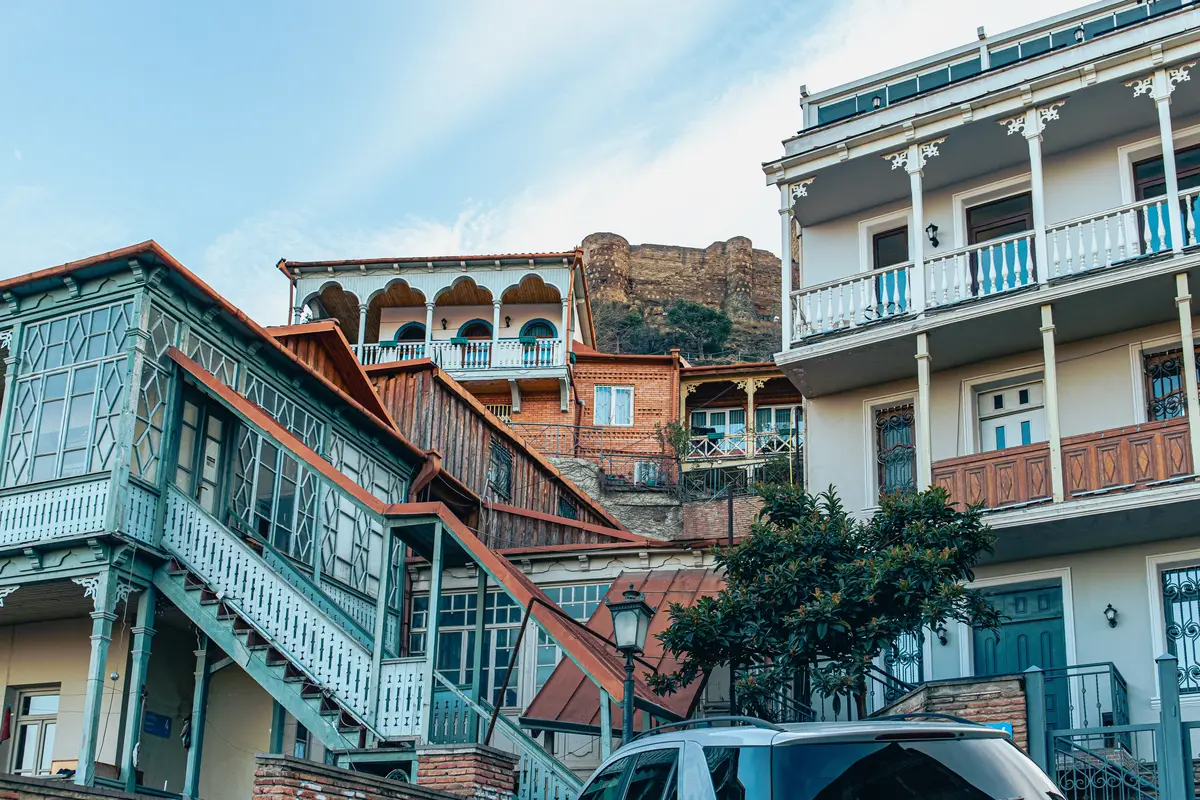
Expect $8–15 (₾20–40) for a Tbilisi hostel dorm, $19–30 (₾45–80) for a private guesthouse room, and from about $60–75 (₾160–200) for a comfortable 3-star hotel room in the capital. Boutique and 5-star properties climb from there, but even at the top end Georgia undercuts Western Europe by a wide margin.
What the tiers actually get you:
- Hostel dorm: ₾20–40 a bed at spots like Fabrika or Envoy; a bed at Envoy runs around ₾49 in busier periods
- Guesthouse private room: roughly ₾45–65 (~$19–25), often with breakfast
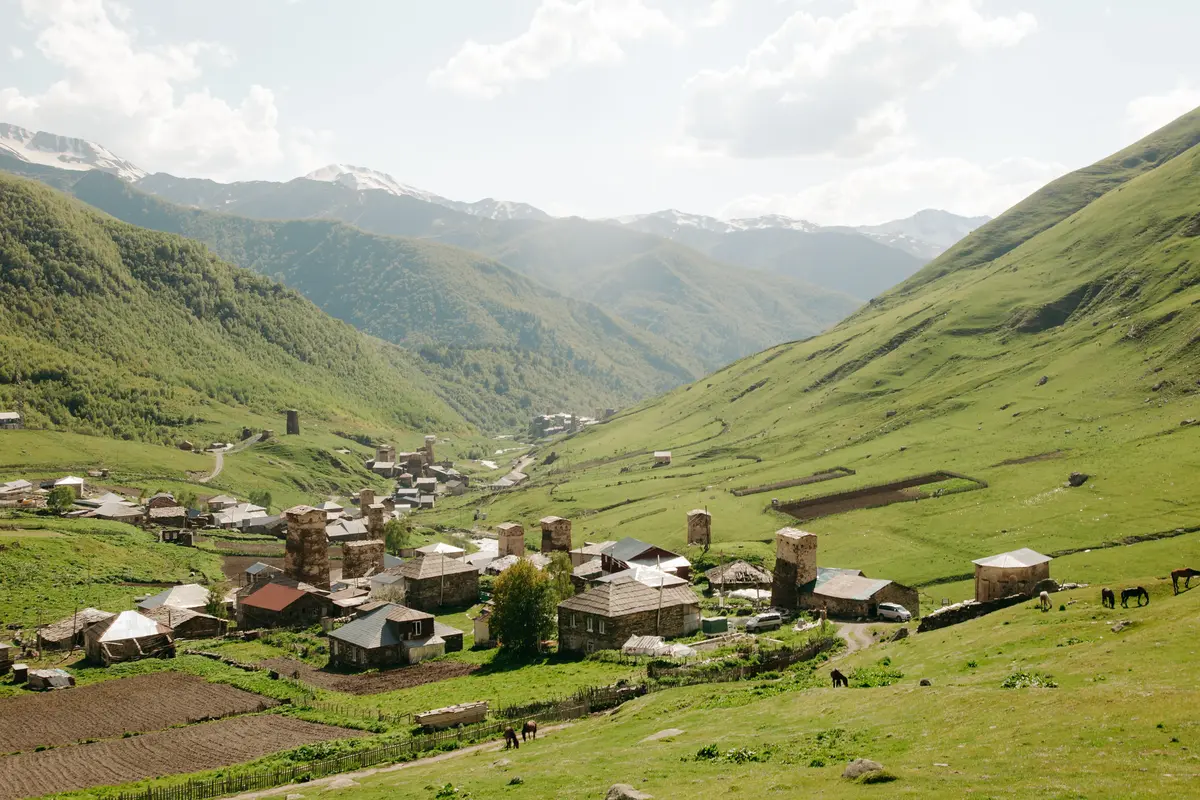
- Mountain guesthouse (Kazbegi, Mestia): ₾30–60 per person, with half-board dinner adding ₾20–30 a meal
- 3-star city hotel: from about $60–70 a room
Two things worth planning around. Peak summer is the fastest-rising accommodation category, so book Batumi and the mountains early for July and August. And if you’re a family or a couple, price rooms, not beds — a guesthouse quoting per-room with half-board is often a better deal than it looks, because the dinner is home cooking, not a restaurant markup.
Pro Tip: In mountain guesthouses, say yes to half-board. A ₾20–30 home-cooked dinner usually beats hunting for a restaurant in a village of 200 people, and it’s frequently the best meal of the trip.
How Much Does Food and Wine Cost in Georgia?
Georgian food is a highlight and a bargain. A bakery khachapuri costs $2–3 (₾5–8), khinkali (soup dumplings) run ₾1–2 each and are ordered five or more at a time, and a full casual restaurant meal with a drink lands at $9–17 (₾25–45). You can eat extremely well here without thinking hard about money.
The rest of the menu, roughly:
- Local beer: ₾8–12
- Cappuccino: ₾5–10
- Casual meal with a drink: ₾25–45
- Upscale dinner: ₾70–130 per person
The single biggest saving on the whole trip hides in the wine list. The same bottle that’s about ₾25 at a wine bar or shop runs ₾60–90 at a tourist restaurant. Drink where locals drink and you’ll spend a fraction on far better bottles. Two more things to know before the bill lands: the 18% VAT is already baked into menu prices, and a service charge of around 10% is common, so check whether a tip is already on the tab.
Pro Tip: Order khinkali by the plate, eat them by hand, and never stab the top — you’ll lose the broth, which is the entire point.

Transport Costs: Marshrutkas, Trains, Taxis and Drivers
Getting around Georgia is where the country still feels genuinely cheap. A Tbilisi metro ride or city bus is ₾1 (about $0.37) with 90 minutes of transfers. A Bolt across town is ₾7–15. And the marshrutka — the shared minibus that connects everywhere — costs ₾15–20 (~$6–7.50) from Tbilisi to Kazbegi.
For a signature route like Tbilisi to Kazbegi, the trade-offs look like this:
| Option | Price | Time | Comfort |
|---|---|---|---|
| Marshrutka (from Didube) | ₾15–20 (~$6–7.50) | ~3 hrs | Cramped, cash only, set departures |
| GoTrip private driver | ~$80 (per car, not per person) | ~2.5 hrs plus photo stops | Door-to-door, comfortable, flexible stops |
| Rental car (self-drive) | From ~$30/day plus fuel | ~2.5 hrs | Most flexible; mountain road, no tastings if you’re driving |
For longer hauls, the intercity options are just as reasonable:
- Tbilisi–Batumi Stadler train: ₾35 second class, ₾75 first, ₾95 business, about 5h12m, covering 218 miles (350 km)
- Kutaisi Airport–Tbilisi coach: ₾30 one-way, ₾50 return
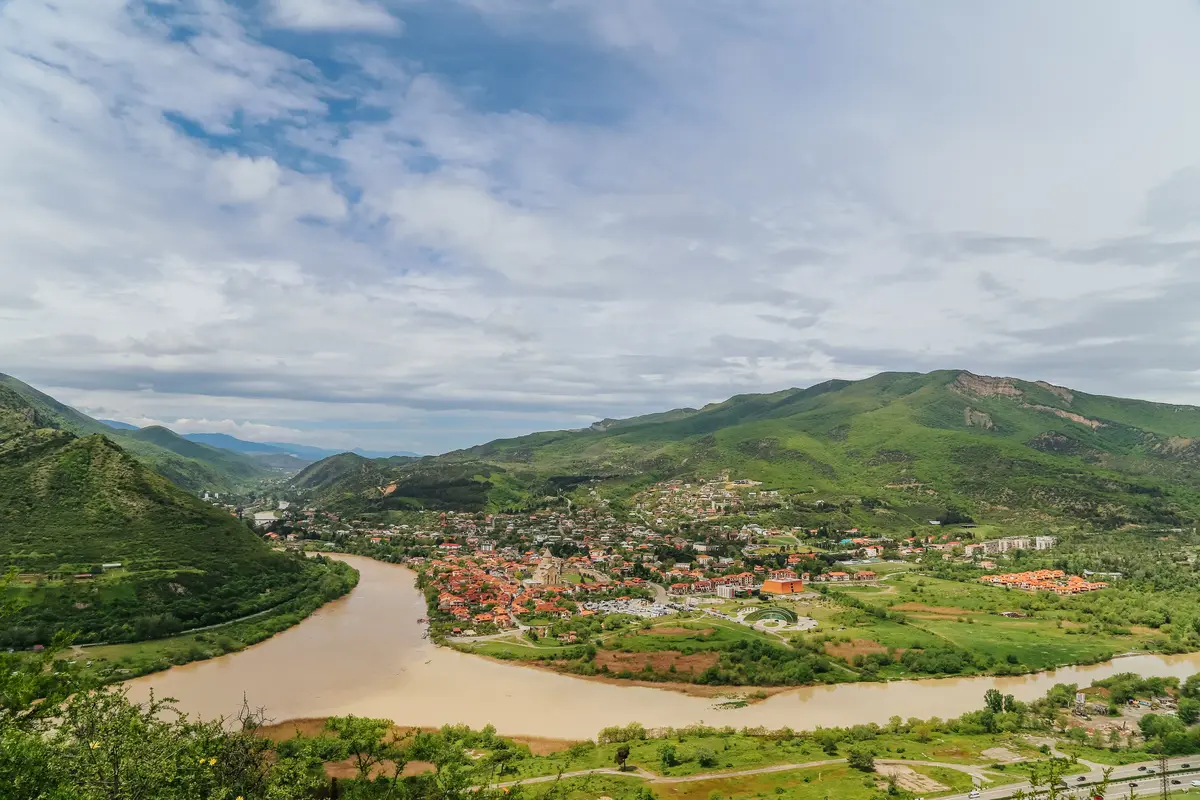
- GoTrip private driver: about $80 Tbilisi–Kazbegi, $125 Tbilisi–Batumi, $35 Tbilisi–Mtskheta
- Car rental: from $30/day, 4WD $60–100, fuel around $0.80–1.10 per liter (roughly $3–4 a gallon)
Marshrutkas are a system that rewards a little preparation. You pay the driver in cash, usually on boarding or when you get off, drivers carry change, and an oversized bag sometimes adds ₾5. There’s rarely a printed schedule — minibuses leave when they fill.
Pro Tip: Carry small lari notes for marshrutkas and rural taxis. Handing a driver a ₾100 note for a ₾15 fare is a good way to watch him sigh and dig through his pockets.

Activities, Tours and Entry Fees Worth Paying For
Most of what you’ll want to do is free. Churches, monasteries, and hiking trails cost nothing, museums run ₾5–15 ($2–6), and a group day tour to wine country or the mountains starts around $30–40 per person. This is a place where the best experiences rarely have a ticket booth.

What things actually cost:
- Georgian National Museum: about ₾15
- Group Kakheti or Sighnaghi wine tour: $30–40 per person
- Private wine tour or David Gareja day trip: $70 and up
- Kazbegi off-road day trip: from about $66
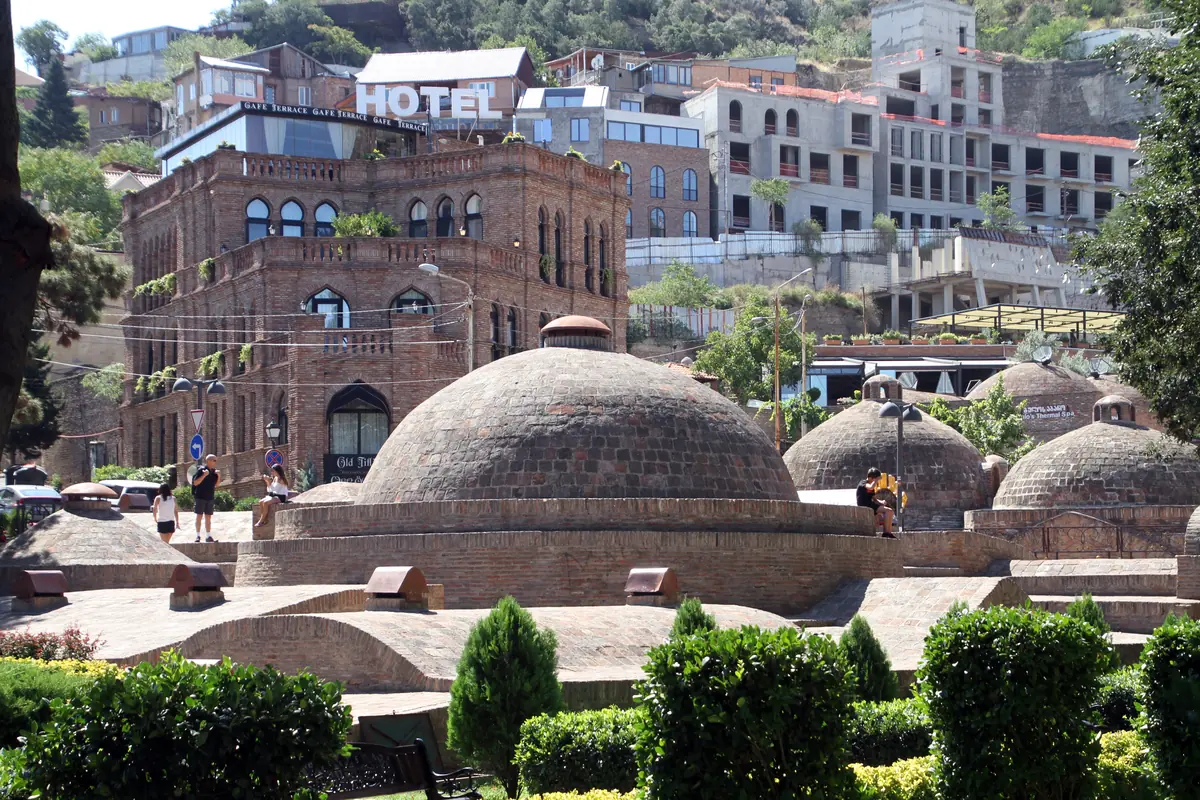
- Sulfur baths: ₾10–15 for the public pool, ₾50–150 an hour for a private room
- Gudauri cable car: ₾35 in summer, ₾45 in winter
One place a tour earns its price is Kakheti wine country. It’s tempting to rent a car and do it yourself, but Georgia enforces a strict zero-tolerance drink-driving law, which means the driver tastes nothing — and many of the best family wineries need advance booking that a tour already handles. If wine is why you’re going to Kakheti, the guided trip often beats the DIY math.
A Sample One-Week Georgia Budget
Here’s what a week across Tbilisi, Kazbegi, and Kakheti looks like at three travel styles, per person, before international airfare:
| Category (per person, 1 week) | Backpacker | Mid-Range | Luxury |
|---|---|---|---|
| Beds (6 nights) | $50–90 | $130–320 | $700+ |
| Food & drink | $60–100 | $130–230 | $350+ |
| Local & intercity transport | $30–60 | $70–140 | $250+ |
| Tours & entry fees | $20–70 | $90–200 | $400+ |
| Incidentals (SIM, tips, baths) | $15–40 | $40–90 | $120+ |
| Rounded weekly total | ~$250–350 | ~$500–700 | ~$900–1,200 |
The category ranges show typical per-item spending; the total is a rounded trip estimate, and you won’t hit every category’s ceiling in the same week. Add roughly $650–870 for a round-trip flight from the US on top of any of these.
One quiet way to lower the per-person number: travel as a couple. Rooms and private drivers are priced per unit, not per head, so two people split the two biggest line items and each pays less than a solo traveler would.
When Is Georgia Cheapest to Visit?
The cheapest time to visit is winter outside the ski resorts, plus the shoulder months — roughly November through March, when city hotel rates can fall 40–60% below the July–August peak. You trade some daylight and warmth for noticeably lower prices on rooms and flights.
How the calendar breaks down for cost:
- Peak (highest hotels and airfare): July–August
- Best-value shoulder: late April–May and September–October
- Deepest discounts: January–February
- Its own separate peak: ski season in Gudauri
Weather does the pricing here. Tbilisi summers regularly top 95°F (35°C), which pushes value-minded travelers toward the shoulder months when the city is walkable, the mountains are clear, and rooms cost a fraction of the July rate.
Is Georgia Cheaper Than Western Europe and Its Neighbors?
Yes, and by a wide margin against Europe. Georgia costs roughly 50–60% less than Western Europe, about 20–30% less than Turkey, and runs broadly comparable to — often slightly cheaper than — Armenia. For a US traveler comparison-shopping the region, it’s one of the strongest value plays reachable in a single long-haul.
The gap in concrete terms:
- A restaurant meal that’s $25–30 in France or Germany is $9–17 in Tbilisi
- A comfortable day costs $80–130 in Georgia versus $100–160 in Turkey
- Armenia edges Georgia on some food and transport, while Georgia pulls ahead on wine and public transport
Money, Visas and Hidden Costs to Plan For
Georgia uses the lari (GEL, subunit tetri), and $1 buys roughly ₾2.65–2.70, so ₾100 is about $37 — though rates move, so treat that as a reference, not a promise. Cards work fine in Tbilisi, Batumi, and Kutaisi. Cash is essential for marshrutkas, rural guesthouses, markets, and the occasional paid toilet. Withdraw lari from a bank ATM (Bank of Georgia, TBC, Liberty) rather than exchanging at your hotel for the best rate.
Two rules US travelers should build into the budget:
- Visa: US citizens can stay visa-free for up to 365 days, and the count resets when you leave and re-enter the country
- Insurance: Georgia now requires all visitors to hold a valid health and accident insurance policy with coverage of at least ₾30,000 (about $11,000)
That insurance rule is easy to satisfy — a basic travel-medical policy for a short trip is usually inexpensive — but confirm your plan meets the ₾30,000 minimum, since it’s a newer entry requirement worth double-checking before you fly.
The costs that sneak up on people:
- Car-rental collision waiver: +₾15–20 a day
- Bolt surge pricing at peak hours and airport runs
- Tourist-strip menu markups, especially on wine
- Service charge around 10%, often already on the bill
- Small change for paid public toilets
Pro Tip: Withdraw larger amounts less often. Many Georgian ATMs charge a flat fee per withdrawal, so five small pulls cost far more than one or two planned ones.
Georgia Travel Cost: Quick Answers
Is Georgia Cheap to Travel?
Georgia is one of Europe’s best-value destinations but no longer dirt cheap. Budget travelers manage on about $30–45 (₾80–120) a day and mid-range visitors on $50–100, helped by ₾1 metro rides, $2–3 khachapuri, and free churches and trails. Prices have climbed, so treat the oldest blog figures as a floor rather than a current quote.
How Much Cash Should You Carry in Georgia?
Keep enough small lari on hand for a few days of marshrutkas, taxis, markets, and rural guesthouses — cards fail exactly where you need them most. In cities, a card covers hotels, restaurants, and supermarkets. A rough rule: carry ₾100–200 in small notes when heading to the mountains, and top up from a bank ATM rather than a hotel desk.
How Much Does a Week in Georgia Cost?
Excluding international airfare, a week runs about $250–350 for a tight backpacker trip, $500–700 for comfortable mid-range travel, and $900–1,200 for a more luxurious pace, per person. Add roughly $650–870 for a round-trip US flight. Traveling as a couple lowers the per-person figure, since rooms and drivers are priced per unit.
How Many Days Do You Need in Georgia?
A week is the sweet spot for a first trip: two to three days in Tbilisi, a day trip to Kazbegi, and a couple of days in Kakheti wine country. Ten days lets you add Batumi or the Svaneti mountains without rushing. Fewer than five days works only if you stay close to Tbilisi and skip the long intercity drives.
What Is the Currency in Georgia and What’s It Worth?
Georgia uses the lari (GEL, subunit tetri). One US dollar buys roughly ₾2.65–2.70, so ₾100 is about $37, though the rate drifts. Cards are widely accepted in Tbilisi, Batumi, and Kutaisi, but carry cash for marshrutkas, rural guesthouses, markets, and paid toilets. Withdraw from bank ATMs rather than exchanging at hotels for the best value.
Before You Book
TL;DR: The real Georgia travel cost lands around $50–100 a day for comfortable mid-range travel, or $30–45 if you’re counting every lari, plus $650–870 for the flight from the US. It’s not dirt cheap anymore, but a full week without airfare still falls between $250 and $1,200 depending on how you travel — with the biggest savings hiding in the wine list and the guesthouse dinner.
Georgia rewards travelers who plan with real numbers instead of a decade-old reputation. The flight is your one genuinely large and variable cost; almost everything on the ground is cheaper than you expect.
Which line item are you most worried about — the flight, the wine, or the guesthouse? Tell me where your budget feels shakiest and I’ll help you pin down a real number.