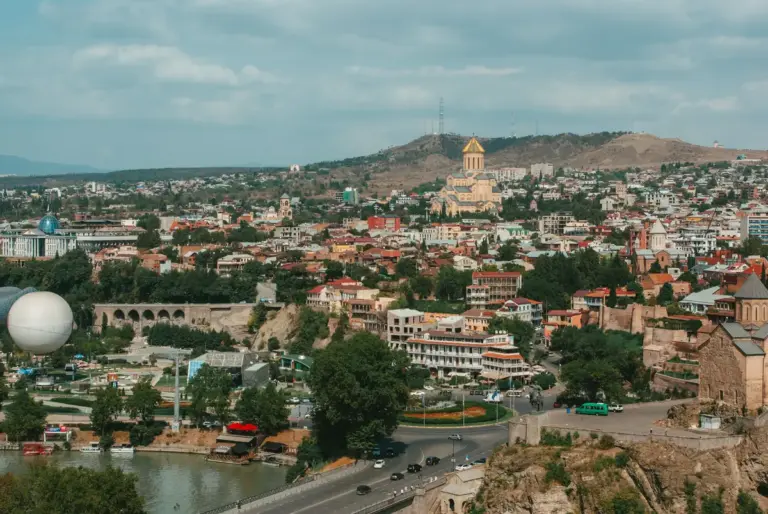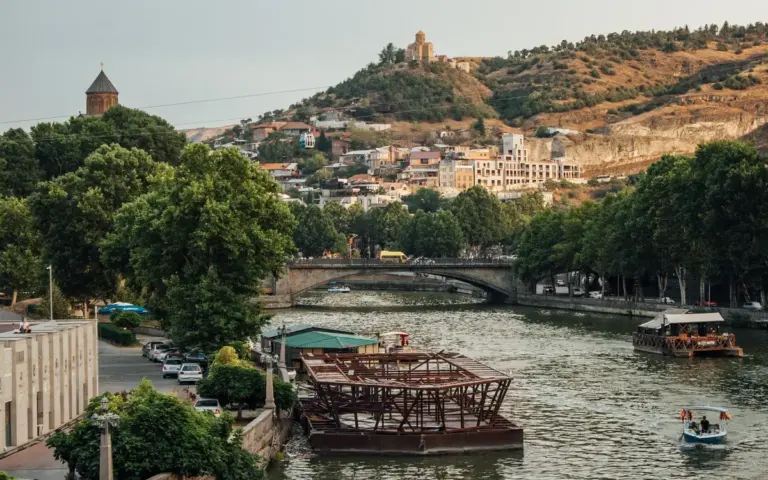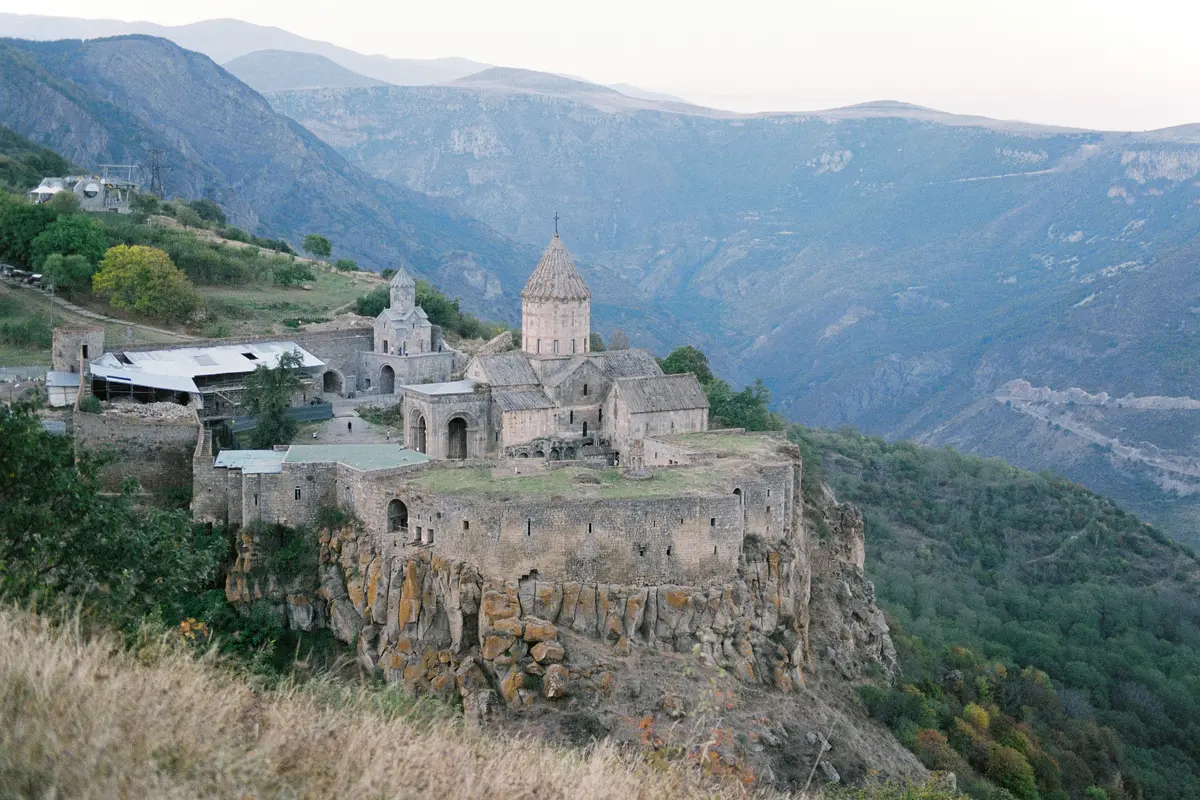
Georgia packs subtropical beaches, semi-desert wine country, and 16,000-foot peaks into a country roughly the size of Ireland — so the best time to visit Georgia depends entirely on which one you’re chasing. September works for most travelers. But skiers, hikers, and beach-goers each have a different answer. Here’s how to pick yours.
When Is the Best Time to Visit Georgia?
For most travelers, September is the best time to visit Georgia: warm days, thinning crowds, wine harvest in full swing, and mountain trails still open. May, June, and October are close runners-up. But Georgia’s climate splits hard by region, so the right month depends on whether you’re heading for the coast, the capital, or the high Caucasus.
If you make me pick one month, it’s September. Here’s the shortcut if you already know your trip:
- Best overall: September — warm, drier, wine harvest on, trails still open
- Spring shoulder: May–June — wildflowers, swollen waterfalls, lower prices, some rain in the east
- Hiking and beach peak: July–August — best high-mountain weather, hot lowlands, biggest crowds
- Ski season: December–April — Gudauri and Bakuriani, cheapest time in the cities
- Wine harvest: mid-September to mid-October — Kakheti’s Rtveli
Georgia Temperatures Month by Month, by Region
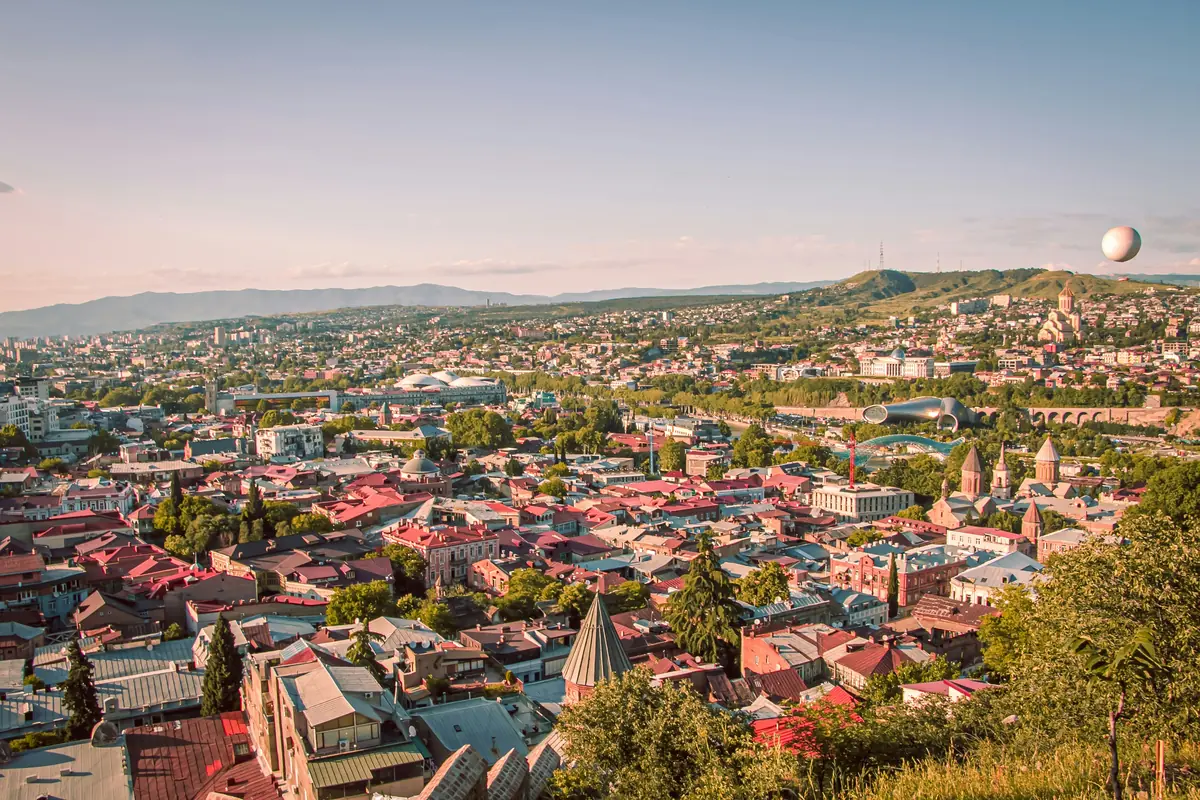
Georgia squeezes an unusual number of climates into a small space — by one local count, around 37 microclimates. The coast is humid-subtropical, the east is dry and continental, and the high Caucasus is alpine. A single “best month” flattens all of that. Here are typical daytime highs across the three zones most travelers split their time between.
| Season | Tbilisi (dry east) | Batumi (Black Sea coast) | High Caucasus (Kazbegi, ~5,700 ft) |
|---|---|---|---|
| Winter (Dec–Feb) | ~40°F (4°C) | ~48°F (9°C) | ~25°F (−4°C) |
| Spring (Apr–May) | ~65–75°F (18–24°C) | ~63–70°F (17–21°C) | ~40–55°F (4–13°C) |
| Summer (Jul–Aug) | ~86°F (30°C) | ~77–79°F (25–26°C) | ~66°F (19°C) |
| Autumn (Sep–Oct) | ~72–80°F (22–27°C) | ~70–77°F (21–25°C) | ~50–60°F (10–16°C) |
Figures are typical averages and swing year to year. Two patterns matter more than the exact numbers. First, rain moves around the calendar depending on where you are: Tbilisi and the east are wettest in spring, around May; the Batumi coast takes its heaviest rain in autumn and winter, October through December, on its way to roughly 94 inches (2,400 mm) a year. The mountains get their wettest weeks in late spring and early summer.
Second, summer heat is the real deciding factor in the east. Tbilisi in August can push past 100°F (38°C), and locals clear out for the coast and the mountains — you’ll understand why by mid-afternoon. The high Caucasus, meanwhile, stays cool enough for a fleece even in July.
When Should You Go for Hiking, Skiing, Wine, or the Beach?
Georgia runs on four seasonal clocks. High-Caucasus hiking peaks from late June to mid-September. Ski season at Gudauri and Bakuriani runs roughly December to early April. The Kakheti wine harvest lands mid-September to mid-October. Black Sea beach weather in Batumi holds from mid-May to mid-October. Pick your season around the activity, not the calendar.
Hiking the High Caucasus: Late June to Mid-September
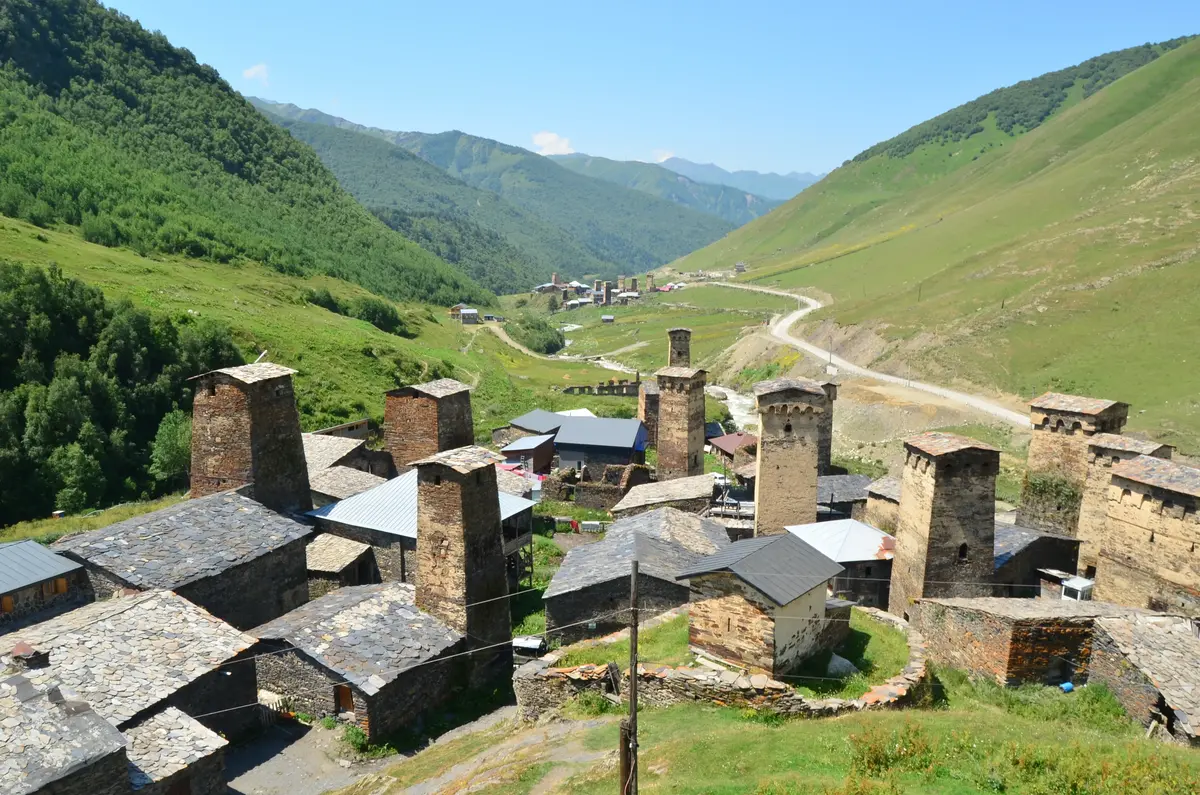
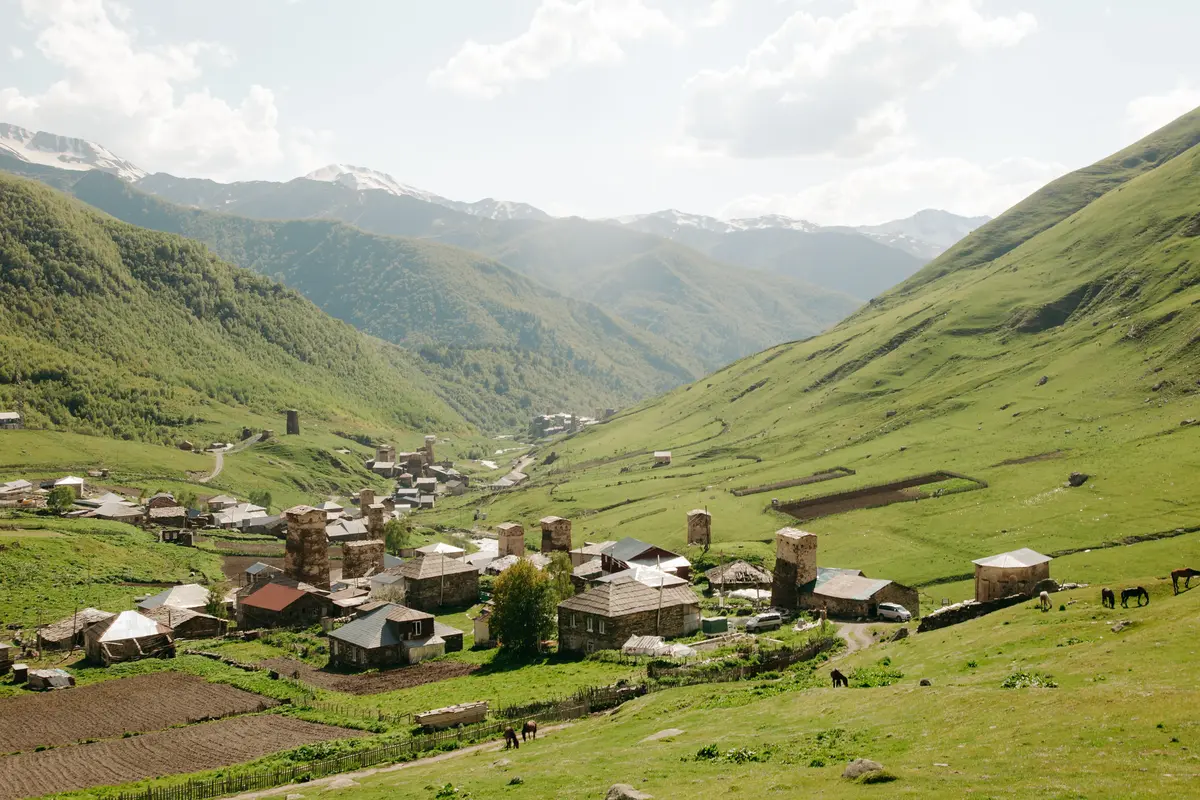
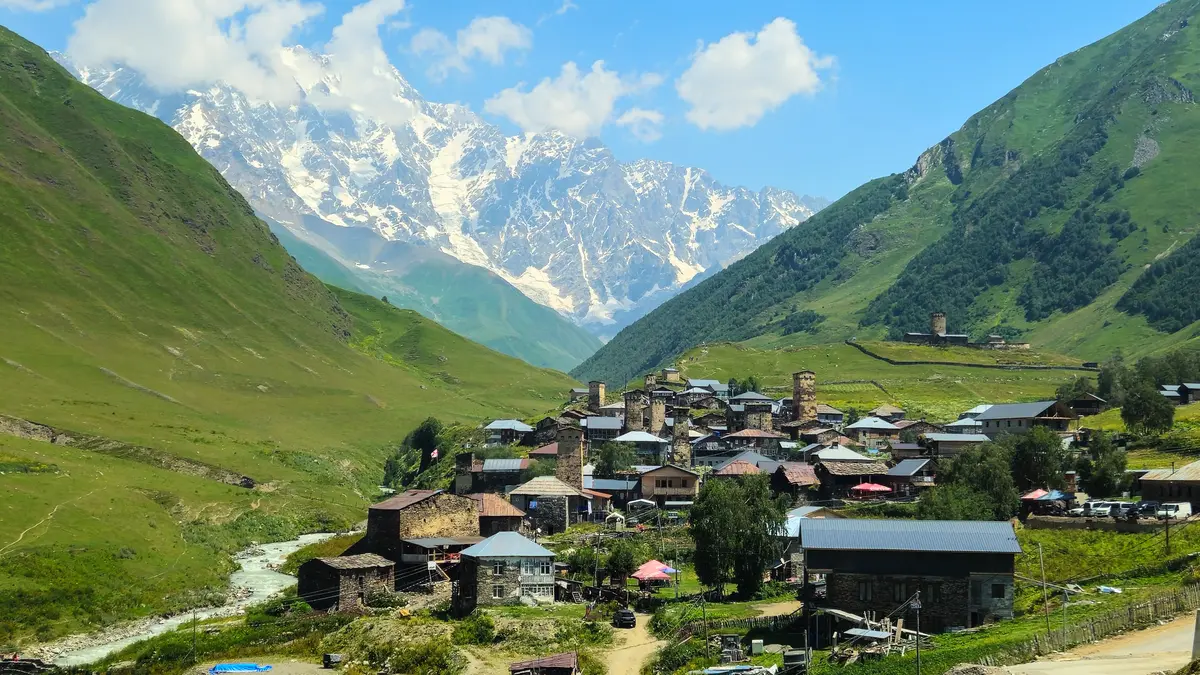
The mountain hiking window is shorter than the trail maps suggest. Snow lingers on high passes into early June, and rivers run fast and cold with meltwater. By late June the classic routes open up. The single best stretch for stable weather and clear trails is early-to-mid September, before the first snows return in October.
The signature route is the Mestia-to-Ushguli trek in Svaneti — about 35 miles (57 km) over four days. July and August bring the most stable weather but also the crowds. September is the smarter pick. Whatever month you go, weather in Svaneti turns fast: a clear morning above Mestia can close in by afternoon, even in August.
Pro Tip: Pack a warm layer and a rain shell no matter the forecast. High-Caucasus passes make their own weather, and “it’s summer” is not a plan.
- Best window: late June to mid-September (early-to-mid September for the driest, clearest trails)
- Signature trek: Mestia to Ushguli, about 35 miles (57 km), 4 days
- Watch for: snow on high passes into early June and again by October
- Getting there: overnight train from Tbilisi to Zugdidi, then minivan to Mestia; domestic flights also run into Mestia
Skiing Gudauri and Bakuriani: December Through Early April
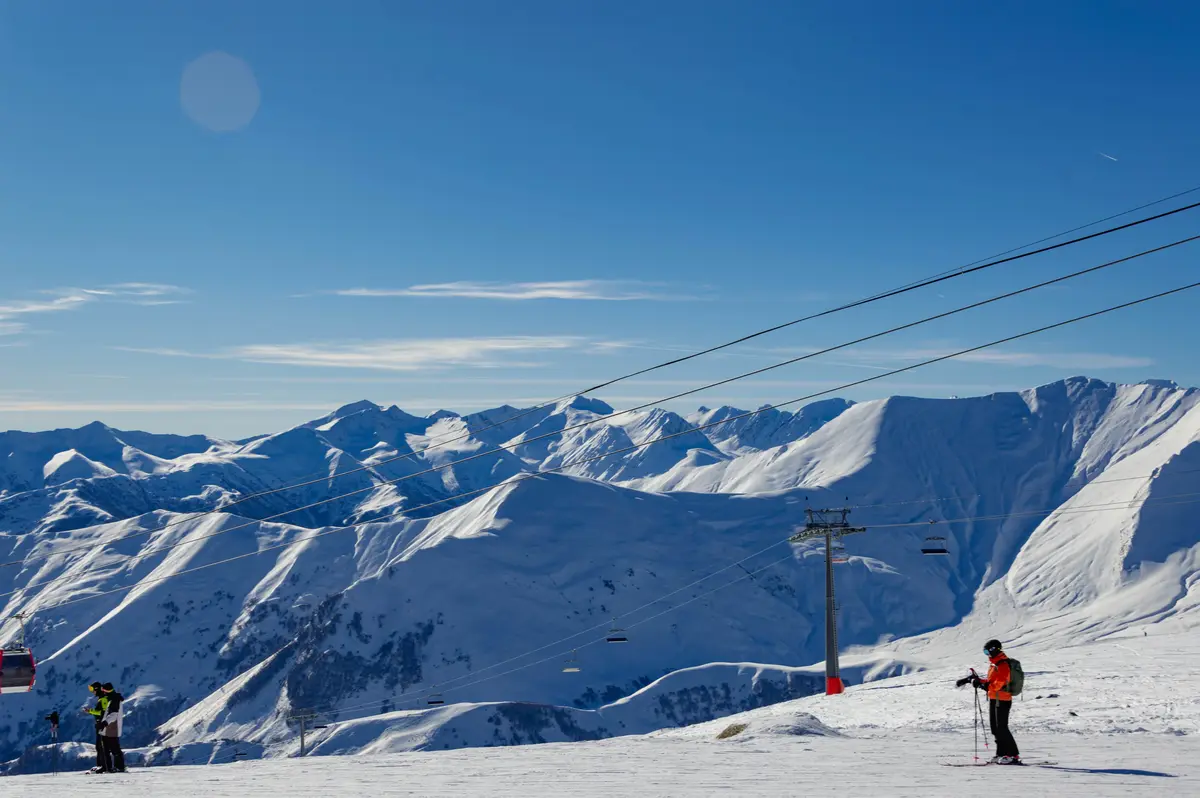
Georgia’s ski season is long, cheap, and — for anyone used to North American or Alpine lift prices — a genuine bargain. Gudauri, on the Georgian Military Highway, runs roughly late December to mid-April, with the best powder from mid-January into early March. Bakuriani, in the Lesser Caucasus, is the gentler family resort; its season runs mid-December to around late March.
The lift prices are the headline that most guides bury.
- Gudauri day pass (adult): about 70 GEL, roughly $26
- Bakuriani day pass (adult): about 55 GEL, roughly $21
- Gudauri child pass (ages 6–12): about 35 GEL; under 6 free
- Best powder: mid-January to early March
- Season: roughly late December to mid-April (Gudauri); mid-December to late March (Bakuriani)
Pro Tip: The Jvari Pass between Gudauri and Kazbegi shuts a few times each winter, usually for a couple of hours, occasionally a day or three. If you’re pairing skiing with a Kazbegi side trip, build in a buffer day.
The Wine Harvest (Rtveli) in Kakheti: Mid-September to Mid-October
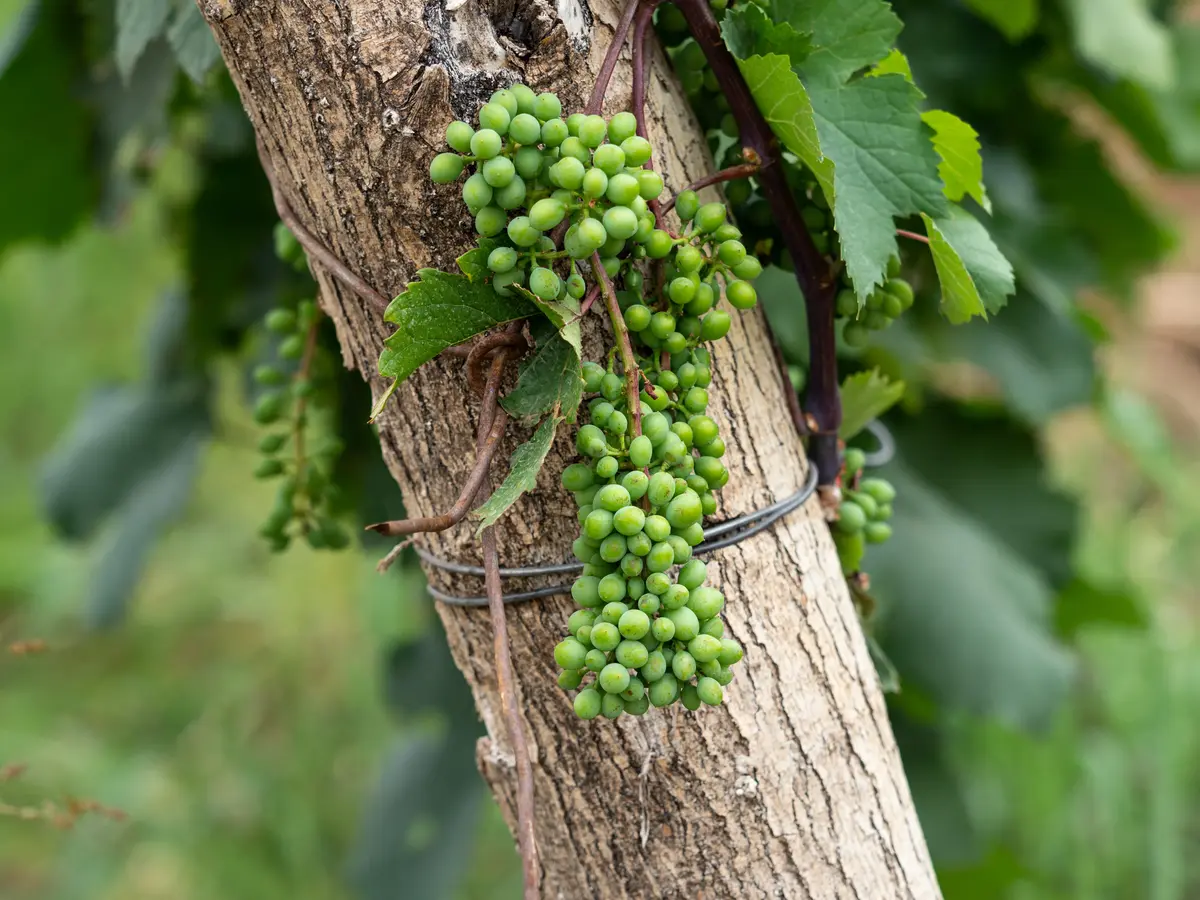
Rtveli, the grape harvest, is why a lot of people time their trip for autumn. In Kakheti, the eastern wine region, Rkatsiteli grapes come off the vines in late September and the red Saperavi in early-to-mid October. Countrywide, depending on region and elevation, harvest stretches from late August into November.
The catch: each vineyard’s harvest is a two-to-three-day window announced only weeks ahead, and the busiest wineries often close to visitors on their biggest weekend. If you want to actually stomp grapes rather than watch, plan around a specific estate.
- Harvest window: mid-September to mid-October in Kakheti (countrywide late August to mid-November)
- Group Kakheti wine tour with tasting: around $18–25
- Private full-day wine guide: roughly $80–150
- Tastings on their own: about 20–50 GEL ($8–19)
- Base yourself in: Telavi or Sighnaghi
Pro Tip: Rtveli dates are confirmed late. If the harvest is the whole point, book a winery stay that runs a hands-on picking day instead of gambling on walk-in timing. Spring’s New Wine festival in Tbilisi (May) is the quieter fallback.
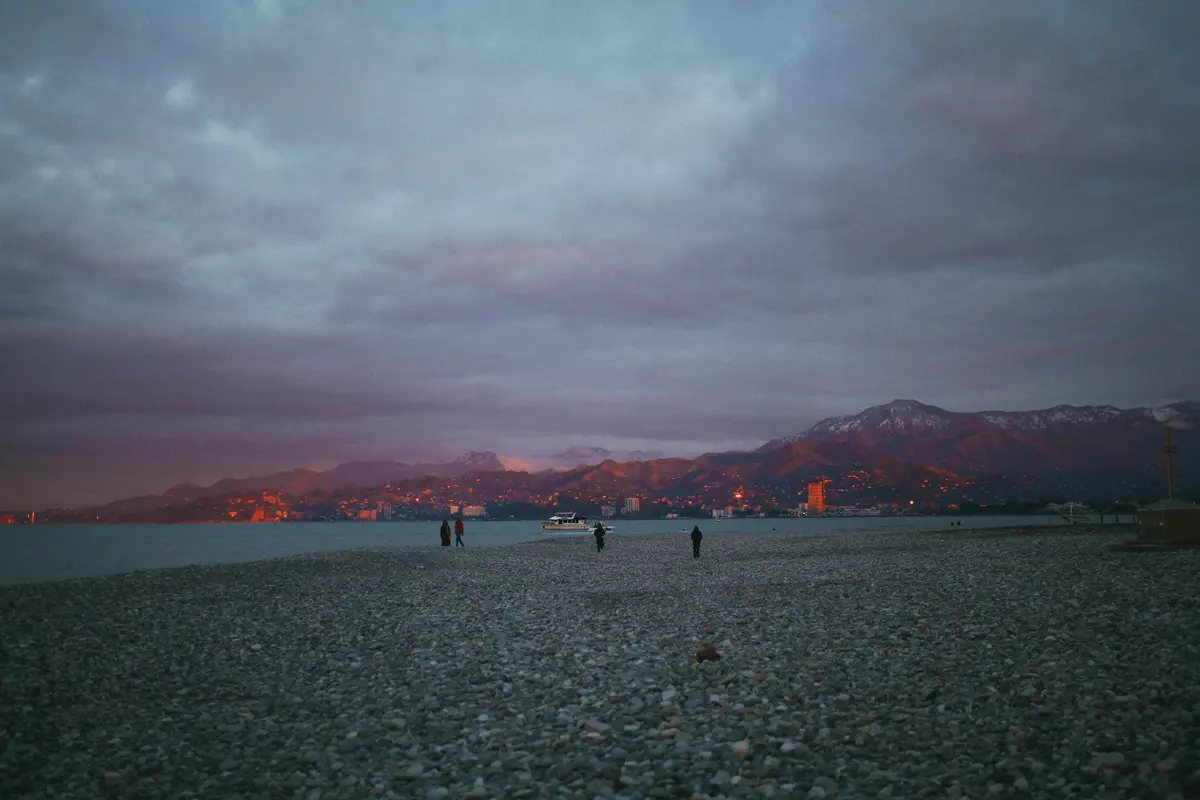
Black Sea Beach Season in Batumi: Mid-May to Mid-October
Batumi’s swimming season runs mid-May to mid-October, peaking in July and August when the sea hits about 78°F (25°C). The coast is humid-subtropical, which means warm water but also serious rain — Batumi catches around 94 inches (2,400 mm) a year, among the highest in Europe, with the heaviest falling October through December.
May and June are the driest, most comfortable coastal months, and September brings warm water with fewer people. July and August are hot, humid, and packed; trains and hotels book out weeks ahead.
- Swim season: mid-May to mid-October (peak July–August)
- Sea temperature in August: about 78°F (25°C)
- Driest coastal months: May–June
- Annual rainfall: around 94 inches (2,400 mm), heaviest October–December
- Getting there: Batumi’s own airport (BUS) adds seasonal summer flights
Best Time by Traveler Type
If you already know what kind of trip you’re taking, here’s the fastest route to your month.
- Skiers: December to April, best snow mid-January to early March. Gudauri for terrain, Bakuriani for beginners.
- Wine tourists: mid-September to mid-October for Rtveli in Kakheti, or May for Tbilisi’s New Wine and natural-wine festivals.
- High-mountain hikers: late June to mid-September, with early-to-mid September the most reliable stretch.
- Families: mid-December to late March for Bakuriani’s easy slopes, or May–June and September for mild weather without the summer heat.
- Budget backpackers: November to March for the lowest room rates (skip the New Year spike). Fly into Kutaisi (KUT) on a budget carrier to save; it’s about 140 miles (230 km) west of Tbilisi.
- Digital nomads: any season — US citizens can stay visa-free for up to 365 days. Spring and autumn dodge both the summer heat and the winter damp.
Seasonal Roads, Passes, and Entry Rules That Catch People Out
Georgia’s timing isn’t only about weather. Two mountain routes close with the snow, and one entry requirement now stops unprepared travelers at the airport.
The Abano Pass to Tusheti: Open Roughly June to October
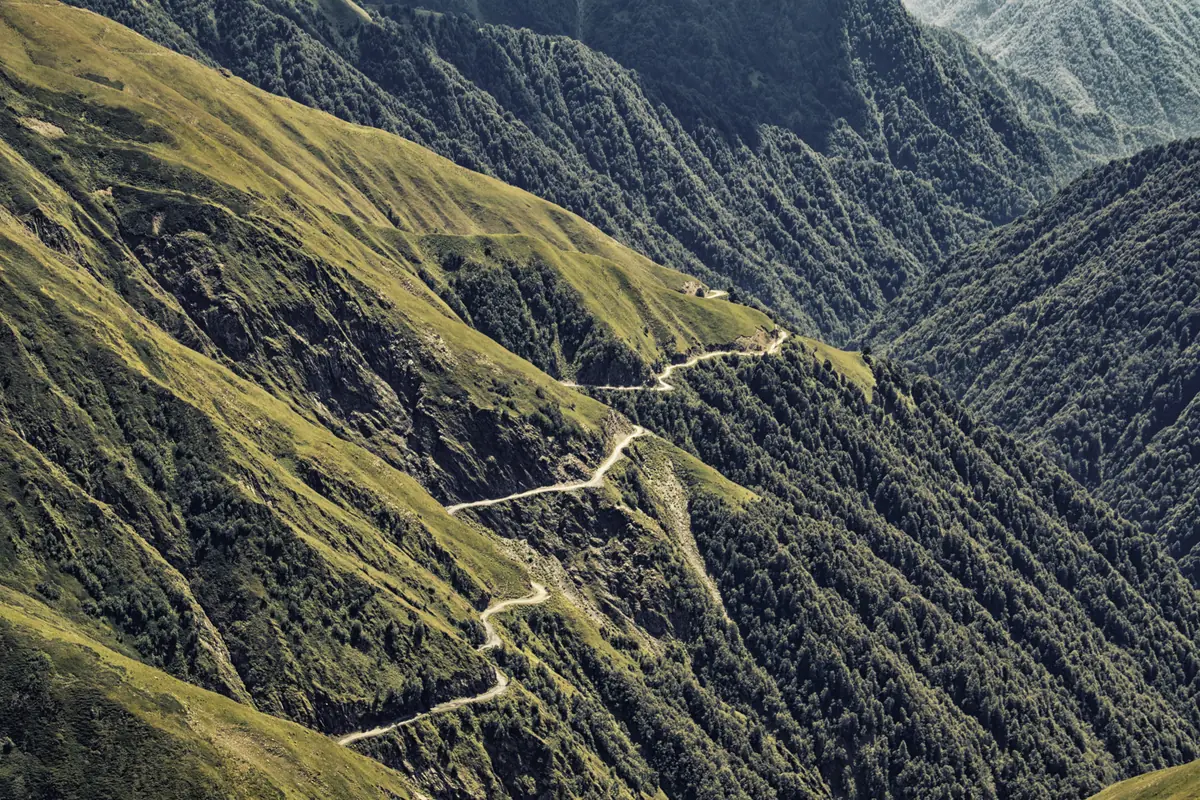
Tusheti, the remote northeastern region, is reachable by a single road over the Abano Pass at 9,272 feet (2,826 m) — and that road is open only about late May or June through October. Outside that window, snow seals it and the only way in is by helicopter.
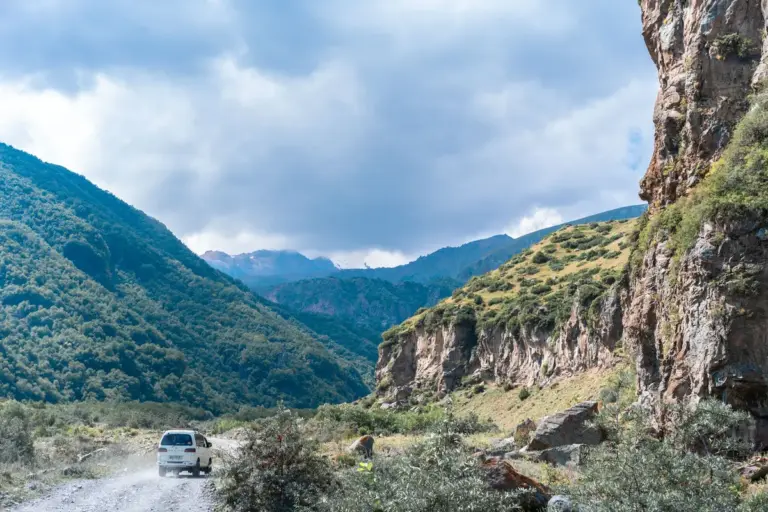
The pass earns its reputation. It’s an unpaved, 4WD-only track of roughly 43–48 miles (70–77 km) that takes four to five hours, with memorial crosses marking fatal accidents and landslides that can shut it for days. The BBC once put it on a list of the world’s most dangerous roads. Count on seven to eight hours from Tbilisi to Omalo.
Pro Tip: Don’t drive the Abano yourself unless you’re seasoned on mountain tracks. Hire a local driver in Kvemo Alvani — the ones who run it daily know where to pull over on single-lane sections and how to read the weather above the tree line.
The Georgian Military Highway When It Snows
The Georgian Military Highway is the main artery north from Tbilisi to Kazbegi and the Gudauri slopes. In winter, the Jvari Pass section closes several times — usually for a couple of hours, occasionally one to three days — when snow and avalanche risk spike. A cable car at Kobi now serves as a winter bypass. Add the constant freight-truck traffic heading to the Russian border, and winter drives here take patience.
Road projects are steadily cutting the times, though. The Rikoti Highway upgrade already trimmed about two hours off the Tbilisi–Batumi run, and a new tunnel on the Military Highway is cutting the slow Kvesheti–Kobi stretch from roughly an hour to about 15 minutes, pulling the Tbilisi–Stepantsminda drive down toward 1 hour 45 minutes.
- Tbilisi to Kazbegi (Stepantsminda): about 93 miles (150 km), roughly 3 hours by car
- Marshrutka from Tbilisi’s Didube station: around 15 GEL (about $5)
- Winter risk: Jvari Pass closes several times per season (hours to a few days); Kobi cable car bypasses it
- Road works are actively trimming drive times on the mountain stretch
The Insurance You Now Need to Enter Georgia
Georgia requires every foreign tourist to carry proof of valid health and accident insurance covering the full length of their stay, with coverage of at least 30,000 GEL (around $11,000). Show up without it and you risk a fine of about 300 GEL (roughly $110) on a first violation.
Skiers have a specific trap here: most standard or “basic” travel policies exclude winter sports, so a resort injury claim gets denied unless you’ve added a sports rider. If you’re headed to Gudauri or Bakuriani, buy a policy that names skiing and snowboarding by name.
- Required: proof of health and accident insurance for your whole stay, minimum 30,000 GEL (around $11,000) coverage
- First-violation fine: about 300 GEL (roughly $110)
- Skiers: confirm your policy covers winter sports — most basic ones don’t
- The upside: US citizens still enter visa-free for up to 365 days
Pro Tip: Buy the insurance before you fly and keep a printed or offline copy; border checks want proof, not a promise. And confirm the current entry rules close to your travel date, since requirements do change.
How Much Does a Trip to Georgia Cost by Season?
Georgia is one of Europe’s best-value destinations — roughly 50–60% cheaper than Western Europe. Backpackers get by on about $14–50 a day, mid-range travelers on $50–140. Winter is cheapest in the cities but priciest at the ski resorts and over New Year. Summer runs highest for hotels and coastal stays.
Daily budgets:
- Backpacker: about $14–50/day
- Mid-range: about $50–140/day; a week in-country runs roughly $500–700
- Luxury: $250+/day
Rooms:
- Hostel dorm in Tbilisi: about $7–15/night
- Guesthouse private room: about $15–30 in rural areas, $45–60 on popular routes in peak season
- Three-star Tbilisi hotel: from about $40–75/night
The seasonal swing is real. Summer room rates climb and July–August is when the coast and mountains book out, while shoulder and winter months can run 20–40% below peak. One cost that barely moves: Tbilisi’s Abanotubani sulfur baths, about $5 for a shared pool or $25 for a private room, year-round.
Best Time to Visit Georgia: Common Questions
What Is the Cheapest Time to Visit Georgia?
November through March, outside the New Year and Orthodox Christmas spike and the ski resorts. City hotels drop to their lowest and the streets are quiet. Shoulder months can run 20–40% below July–August rates.
When Is the Rainy Season in Georgia?
It depends on the region. Tbilisi and the east are wettest in spring, around May. The Black Sea coast at Batumi gets its heaviest rain in autumn and winter, October through December, on its way to roughly 94 inches (2,400 mm) a year. The high mountains are wettest in late spring and early summer.
Is Georgia Expensive to Visit?
No. Georgia is one of Europe’s cheapest destinations, roughly 50–60% below Western European prices. Backpackers manage on about $14–50 a day and mid-range travelers on $50–140, and a filling plate of khinkali or khachapuri costs just a few dollars.
How Many Days Do You Need in Georgia?
Plan for at least a week. Fewer than four nights barely scratches the surface. A strong first trip pairs Tbilisi with the wine country and two nights in the high mountains. Tusheti alone needs three or more nights, because the road in eats most of a day each way.
What Is the Best Month to Visit Georgia?
September, for most people. Days are warm but no longer brutal, the wine harvest is on, mountain trails are still open, and summer crowds have thinned. Tbilisoba, the capital’s city festival, lands in early October if you can stretch the trip. May and June are the strongest runners-up for spring greenery and lower prices.
When Is Ski Season in Georgia?
Roughly mid-December through April. Gudauri runs late December to mid-April, with the best powder from mid-January to early March. Bakuriani, the family resort, opens mid-December and runs to around late March.
When Is the Wine Harvest in Georgia?
Rtveli runs mid-September to mid-October in Kakheti, the main wine region — Rkatsiteli grapes in late September, Saperavi in early-to-mid October. Countrywide, harvest spans late August to mid-November depending on region and elevation.
Before You Book
TL;DR: September is the safest bet for a first trip to Georgia — warm, drier, wine harvest on, trails open. Go in July or August for high-mountain hiking and the Black Sea, December to April for skiing, and May or June for spring at lower prices. Match the month to the region and the activity, not to a single “best” date.
Whatever month you land on, keep one buffer day for the mountains. Georgian weather and Georgian roads both keep their own schedule, and the passes don’t care about your itinerary.
Which trip are you timing — the ski slopes, the wine harvest, or the high Caucasus? Drop your travel dates in the comments and I’ll tell you what you’re walking into.