Travel insurance for Georgia — the country in the Caucasus, not the US state — is no longer optional. A tourism law that took effect January 1, 2026 requires every foreign visitor, US citizens included, to carry health and accident coverage. Here’s what the rule demands, what it costs, and where the mandatory minimum leaves you dangerously exposed.
The short version, before the details:
- Required: Yes — mandatory for all tourists entering Georgia since January 1, 2026.
- Minimum limit: 30,000 GEL (about $11,000), in English or Georgian, covering your full stay.
- Typical US cost: roughly $45-110 for a two-week trip; travel-medical-only plans average about $5 a day.
- The catch: that legal minimum won’t cover a helicopter evacuation from the mountains — and your US health plan and Medicare won’t help you abroad.
Is Travel Insurance Required to Enter Georgia?
Yes. Since January 1, 2026, every foreign tourist entering Georgia must hold valid health and accident insurance covering the entire stay, with a minimum limit of 30,000 GEL (about $11,000). The rule applies to visa-free visitors too, including US citizens. Airlines may check at boarding, and border officers can ask for proof.
The requirement comes from Government Regulation No. 602, which implements Article 12 of the Law of Georgia “On Tourism.” The U.S. Embassy in Georgia confirms it, citing the Georgian Ministry of Foreign Affairs entry-rules page at geoconsul.gov.ge. The policy can be issued by a Georgian insurer or a foreign one, so a US plan qualifies as long as it hits the limit and covers the full trip.
A few groups are exempt: accredited diplomats and consular staff with their families, people entering under Georgia’s international treaties, and drivers running international road freight or passenger transport. Almost every leisure traveler falls outside those categories.
Here’s the part most outdated guides get wrong. Before this law, visa-free visitors — US citizens among them — were not formally required to carry insurance, and enforcement was close to nonexistent. Plenty of US insurer pages still describe coverage as “recommended, not required.” That framing is stale. The requirement is now real and permanent, and it is separate from the old COVID-era entry rules, which ended years ago.
On penalties, be careful with what you read. Some travel-industry sources report a 300 GEL fine (about $110) for non-compliance, but that figure is not confirmed in official government text, and at least one Georgian legal source says no in-country fine applies at all. The consequence that is confirmed is simpler and more serious: you can be refused entry. Treat the fine as unverified and the denial-of-entry risk as the real one.
Pro Tip: Airlines flying into Tbilisi and Kutaisi have started asking for proof of insurance at check-in, not just at the border. Have your policy ready before you reach the gate, not after you land.
What Your Georgia Policy Must Include to Clear the Border
Clearing the border is a low bar, but the details trip people up. To satisfy Georgian entry requirements, your policy has to check every one of these boxes:
- Coverage limit: at least 30,000 GEL (about $11,000) for health and accident care.
- Language: written in English or Georgian.
- Dates: covers your full stay, including both the arrival and departure days.
- Format: a physical printout or an electronic copy — either is accepted.
- Insurer: issued by a Georgian or a foreign company, so a qualifying US policy works.
That’s the whole compliance test. Notice what isn’t on it: adventure sports, high medical-evacuation limits, or repatriation back to the US. A bare 30,000 GEL policy satisfies immigration and does almost nothing else.
Pro Tip: 30,000 GEL is the floor, not the goal. Read the coverage and mountain sections below before you treat “border-compliant” as “actually protected.” The two are not the same thing.

How Much Does Travel Insurance for Georgia Cost?
For a typical two-week trip costing around $2,000, a full trip plan runs roughly $45-110. Travelers over 60 usually pay $90-150. Travel-medical-only plans are far cheaper — about $5 a day on average. Local border-compliant policies cost the least, but they are medical-only and often exclude the adventure sports that bring people to Georgia in the first place.
Full trip plans generally price out at 4-10% of your total trip cost, so the number scales with how much you’ve spent on flights and hotels. Here’s how the main options compare:
| Plan type | Rough US cost | What it covers | Best for |
|---|---|---|---|
| Full trip plan | $45-110 (2-week, $2,000 trip) | Cancellation, medical, evacuation, baggage | Most leisure travelers |
| Travel-medical-only | ~$5/day | Emergency medical + evacuation, no cancellation | Backpackers, nomads, second policy |
| Nomad subscription (e.g., SafetyWing Nomad Essential) | ~$56.28 / 4 weeks (ages 10-39) | Ongoing medical, cheap adventure add-on | Long-stay and repeat visitors |
| Local Georgian policy (Aldagi, E-Cover) | Cheapest | Medical-only, to the 30,000 GEL floor | Clearing the border, nothing more |
One honest trade-off worth naming: the cheapest way to be legal is a local medical-only policy or a $56-a-month nomad plan, but the cheapest legal option is not the same as adequate protection for someone heading into the mountains. More on that below.
Pro Tip: You can buy a compliant policy at the airport on arrival, but it’s reported to cost 30-40% more than the same coverage bought online in advance, and it usually comes with limited or no sports coverage. Buy before you fly.
What Coverage Do You Actually Need in Georgia?
The mandatory minimum is not enough for a US traveler. What you want are strong emergency-medical and medical-evacuation limits, because remote-region rescue is where costs explode and where 30,000 GEL runs out fast. Your US health plan and Medicare do not work abroad, and many Georgian providers expect cash up front.
Medical Care: Strong in Tbilisi, Thin in the Mountains
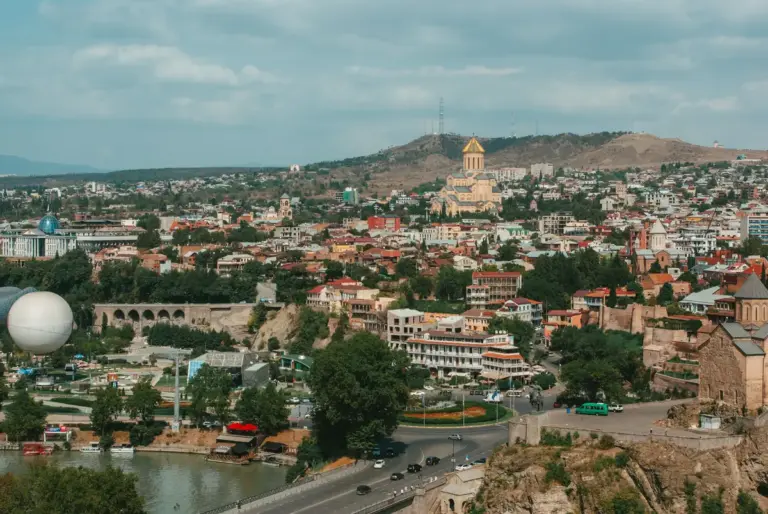
In Tbilisi and Batumi, private hospitals are good and often staffed by English-speaking, Western-trained doctors — American Medical Centers, American Hospital Tbilisi, Todua Clinic, and the Evex network among them. Even so, the U.S. Embassy notes that care can sit below US standards in the capital and is limited in rural areas, and that many providers require cash payment up front.
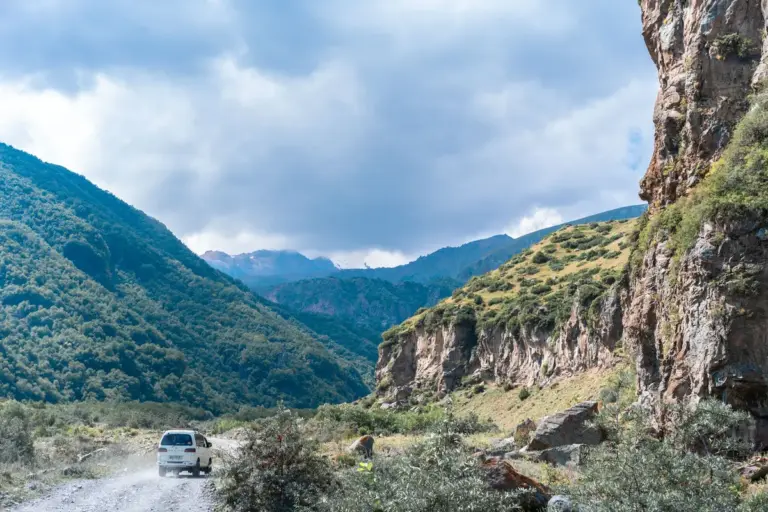
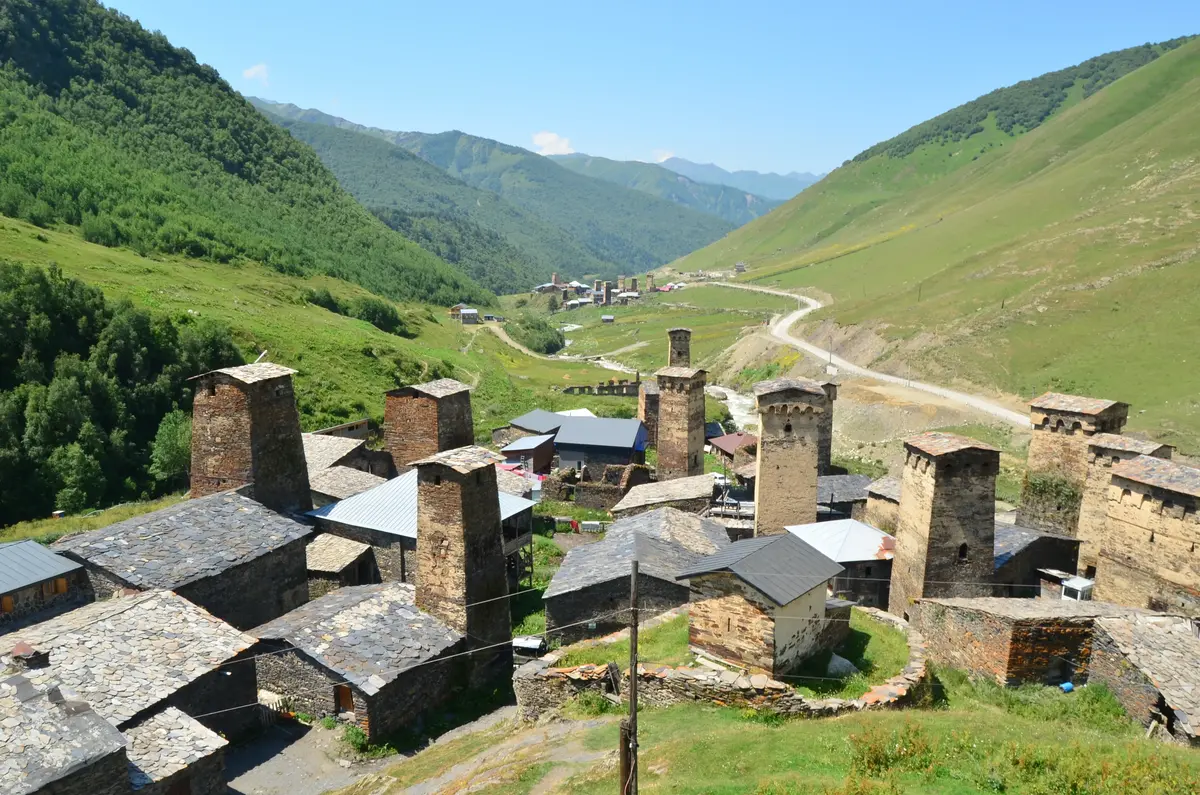
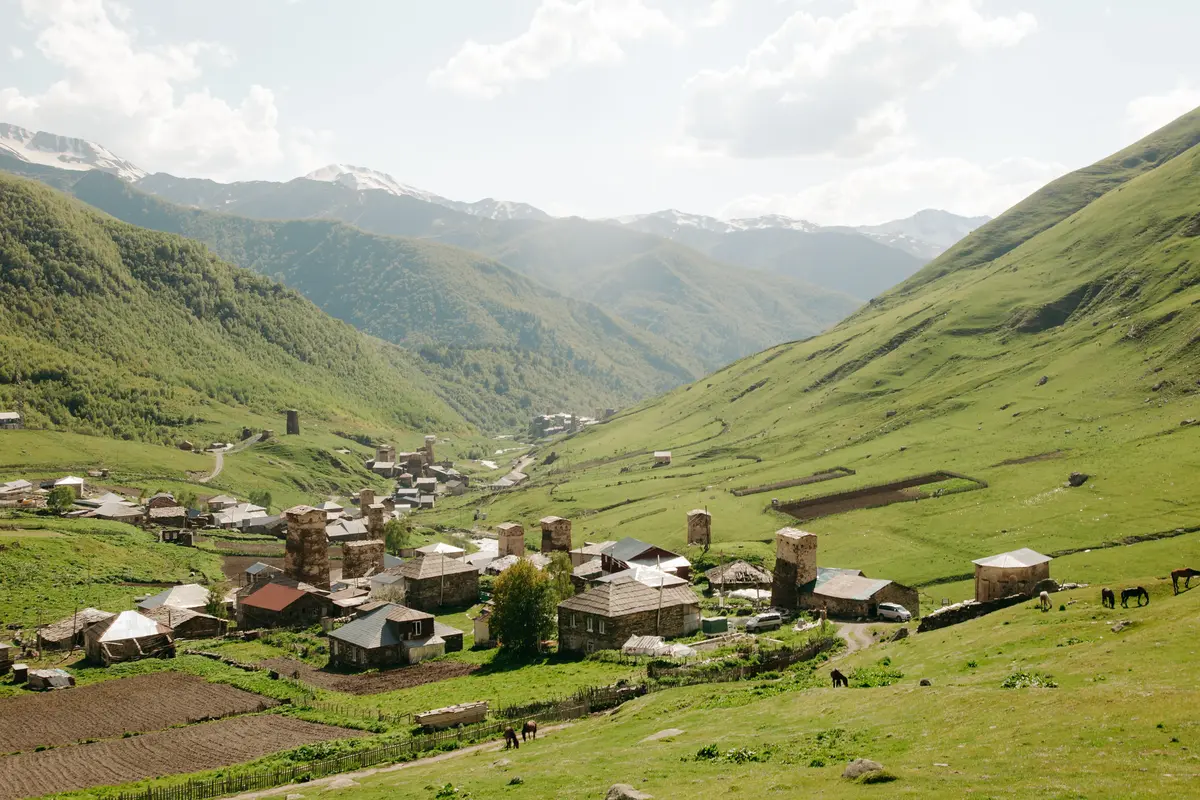
Outside the cities, the picture changes fast. Facilities in Kazbegi, Svaneti, Tusheti, and Khevsureti are basic, and ambulances are scarce. The Embassy’s own guidance is telling: travelers may prefer to take a taxi or private car to the nearest major hospital rather than wait for an ambulance that may not come quickly.
Why Medical Evacuation Is the Expense That Matters
This is the number no competing guide seems to put in front of you. In Georgia’s remote regions, the nearest serious hospital can be 3-5 hours away by road, and anything requiring surgery means transport to Tbilisi. Helicopter evacuation runs about $5,000-18,000. A rescue around Mt. Kazbek costs at least €3,500 (roughly $3,800). Georgian mountain rescue is under-resourced — there is no dedicated air ambulance, and teams often carry only basic first-aid training.
For scale, one major evacuation-membership provider publishes these benchmarks: a full medical evacuation can reach $300,000, a medevac helicopter runs about $60,000, and a ground ambulance can cost as much as $5,000. Set those against the 30,000 GEL (about $11,000) legal minimum and the math is blunt: the border-compliant floor would not cover a single serious helicopter rescue, let alone a repatriation flight home.
The Medicare Gap and Other US-Specific Traps
For US travelers, four things routinely go wrong:
- Medicare and Medicaid don’t apply overseas. The State Department says so plainly. Neither will pay a cent in Georgia.
- Most US health plans stop at the border too. Some reimburse foreign emergencies as secondary coverage, but you’ll pay out of pocket first and fight for it later. A dedicated travel-medical policy pays as primary and coordinates care directly.
- Cash up front is common. Rural clinics and some city hospitals want payment before treatment, which is exactly when a policy with direct-billing and 24/7 assistance earns its cost.
- Dual US-Georgian citizens face extra rules. Local obligations can apply, and US consular help is limited for dual nationals, so confirm your status before you rely on standard tourist coverage.
There’s a quieter reason claims get denied here, and it has nothing to do with the fine print you’d expect. Mountain guides who track client outcomes in Georgia report that the most common cause of a denied claim is that the traveler never checked the assistance company behind the policy. Networks like Euro-Center, Savitar Group, and Global Voyager Assistance are known to operate reliably in Georgia; a cheap policy backed by an assistance line that can’t coordinate a Caucasus evacuation is worth less than it looks.
Do You Need Extra Cover for Skiing, Trekking, and the Mountains?
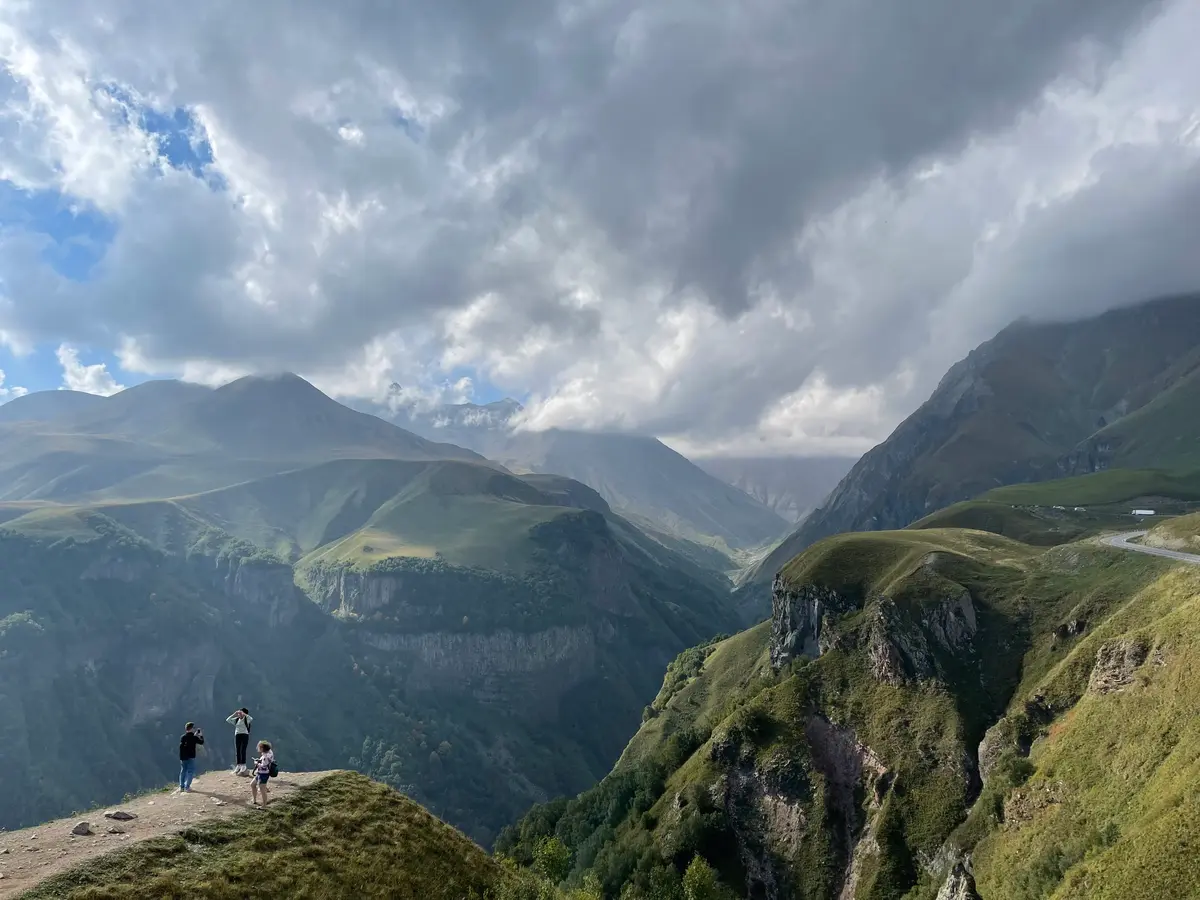
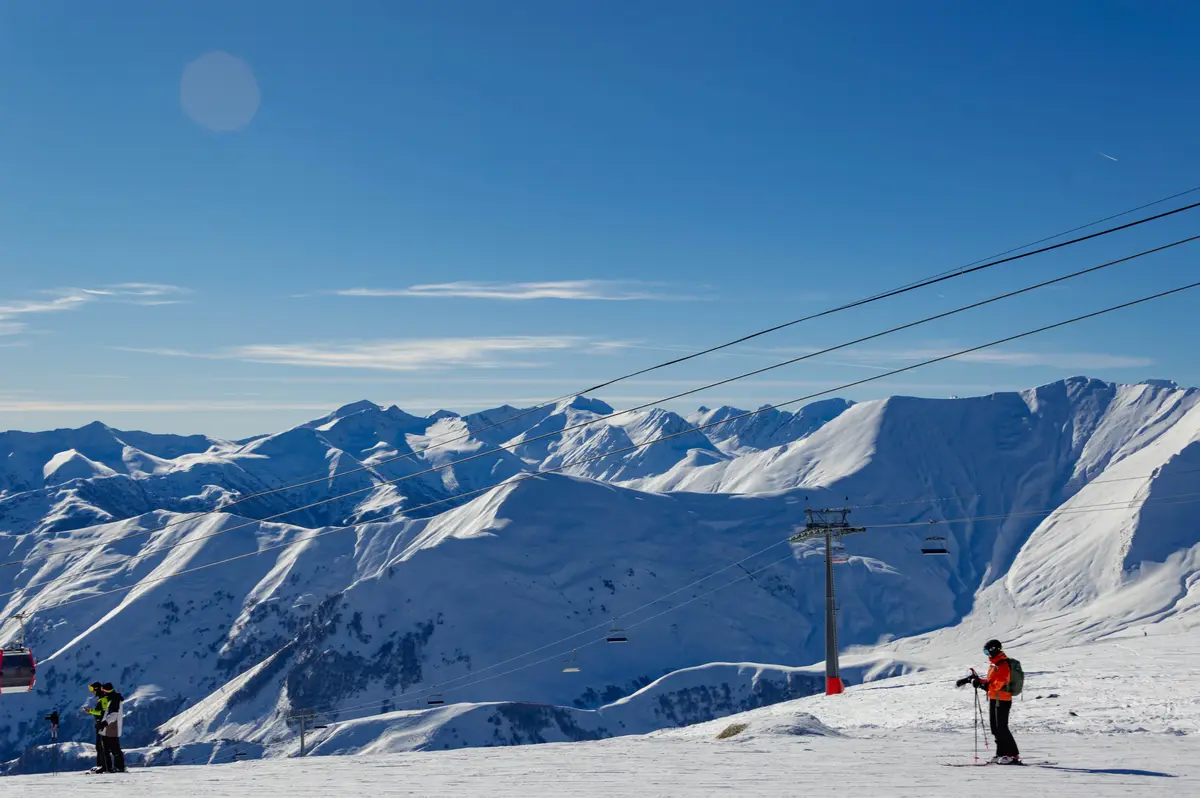
Usually yes. Standard policies exclude adventure sports, and much of what draws visitors to Georgia — skiing at Gudauri, trekking above 6,600 feet (2,000 m), mountaineering on Mt. Kazbek — needs an add-on. Two things decide whether you’re actually covered: the altitude ceiling where your plan stops, and whether search and rescue is excluded.
How High Georgia’s Slopes and Trails Actually Go
The elevations here matter because they cross the thresholds where coverage changes:
- Gudauri: base around 7,200 feet (2,200 m), top lifts about 10,750-10,850 feet (3,276-3,307 m).
- Bakuriani: around 5,600 feet (1,700 m).
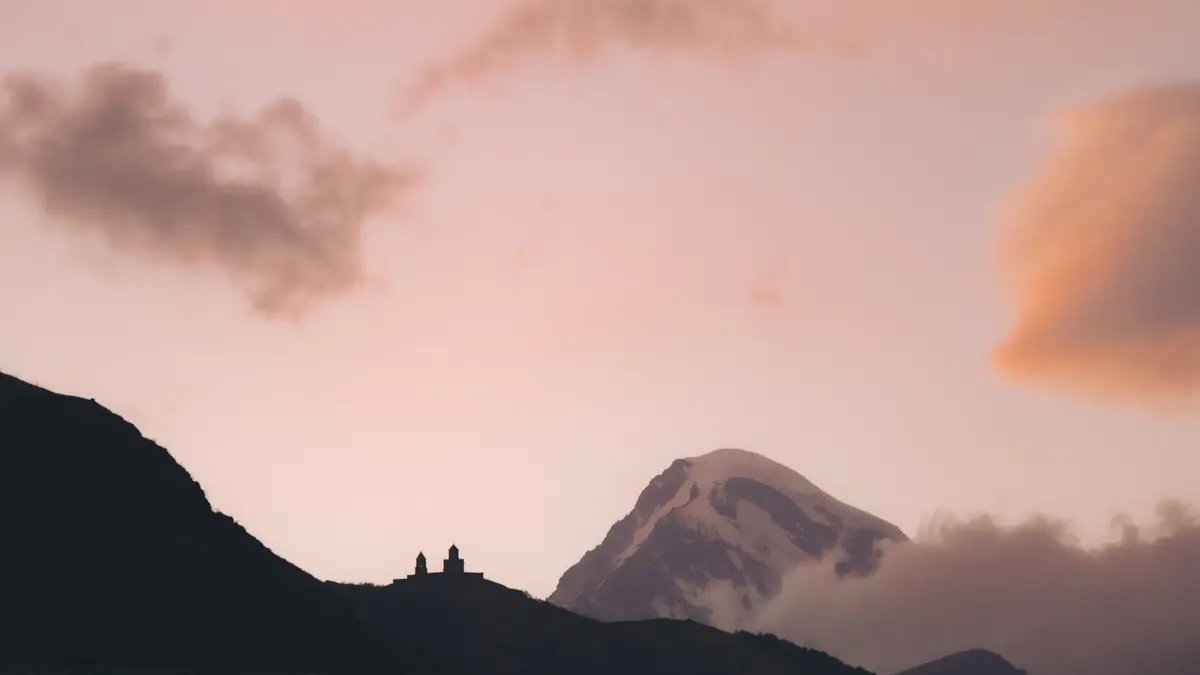
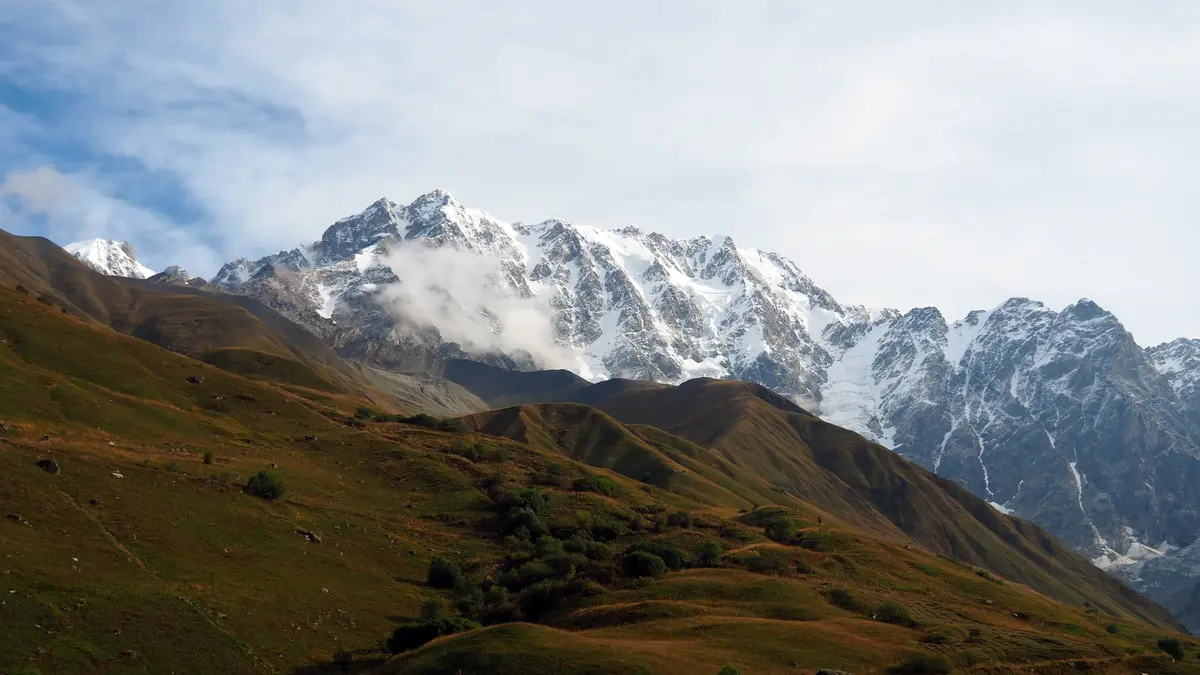
- Mt. Kazbek: 16,581 feet (5,054 m).
- Popular treks (Kazbegi-Gergeti, Mestia routes): mostly 6,600-9,800 feet (2,000-3,000 m).
That last line is the trap. Most standard Georgia trekking sits above 6,600 feet (2,000 m) — the point where several policies stop covering you automatically. Add-ons that travelers skip for a “gentle hike” genuinely matter here.
Where Each Provider’s Coverage Ends
Altitude ceilings and evacuation limits vary widely. These figures change often, so confirm current policy wording before you buy, but as a map of the terrain:
| Provider | Altitude ceiling | Search & rescue | Evacuation limit | Note |
|---|---|---|---|---|
| World Nomads | 19,685 ft (6,000 m) | Documented SAR exclusion | Varies by plan | Trekking above 2,000 m needs a Level 3 upgrade, added at purchase only |
| SafetyWing | 19,685 ft (6,000 m) with add-on | Some heli rescues classed as excluded SAR | $100,000 | Cheap add-on, but the lowest evacuation cap here |
| Faye | 19,685 ft (6,000 m) with add-on | Check wording | Up to $500,000 international | App-first, fast claims |
| Global Rescue | Helicopters toward ~23,000 ft (7,010 m) | This is the rescue product | High | Membership, not medical insurance; high-altitude package required above 15,000 ft (4,600 m), priced $495 individual / $995 family |
The Search-and-Rescue Exclusion Most Travelers Miss
Here’s the exclusion climbers keep discovering at the worst possible moment. World Nomads carries a documented search-and-rescue exclusion, and SafetyWing has reportedly classified some helicopter evacuations as excluded “search and rescue.” In practice, that means the helicopter that lifts you off Mt. Kazbek might not be covered by a policy you assumed had you protected. For serious high-altitude or remote objectives, pairing a medical policy with a dedicated rescue membership (which carries no altitude restriction) closes that gap.
Pro Tip: Adventure riders almost always have to be added at the time of purchase. World Nomads, for one, won’t let you add trekking cover mid-trip once you’re already on the mountain.
Which Travel Insurance Is Best for Georgia?
There is no single best policy — the right one depends on who you are. Budget nomads, adventure trekkers, families, and older travelers each need something different, and the plan that fits a $56-a-month nomad is a poor fit for someone heli-skiing at Gudauri. Match the plan to your trip, not to a ranking.
With that caveat, here’s how the main US-available providers line up. All meet the border minimum; the differences are in what happens after you’ve cleared immigration. Verify prices and limits directly, as they move around:
| Provider | Adventure add-on | Evacuation strength | Best for |
|---|---|---|---|
| World Nomads | Tiered activity coverage | Solid, but SAR excluded | Adventure travelers who read the exclusions |
| SafetyWing | Cheap add-on | $100,000 cap | Budget and long-stay nomads |
| Faye | Yes, to 6,000 m | Up to $500,000 | App-first travelers wanting fast claims |
| Allianz | Limited | Up to $1M on premier plans | Families and older travelers; annual multi-trip plans |
| Seven Corners | Some activities | Strong, 24/7 multilingual help | Backpackers and cruises |
| Travelex | Yes | Up to $1M on Select | Families (kids often covered free) |
| IMG / Global Rescue | Rescue membership | No altitude limit with Global Rescue | Serious high-altitude and remote trips |
| Local (Aldagi, E-Cover) | Usually none | Low | Clearing the border cheaply |
The pattern to hold onto: cheap and border-legal at one end, high evacuation limits and no altitude ceiling at the other. Pick based on where you’re actually going, not on the lowest quote.
Is Georgia Safe, and Can a Travel Advisory Void Your Claim?
Georgia rates Level 1 — Exercise Normal Precautions — from the U.S. State Department, the safest tier. Two exceptions matter. The Russian-occupied regions of Abkhazia and South Ossetia are Level 4, Do Not Travel, and Georgia’s roads are a real hazard. Many policies won’t pay for claims that arise in a Level 4 zone, so those regions threaten both your safety and your coverage.
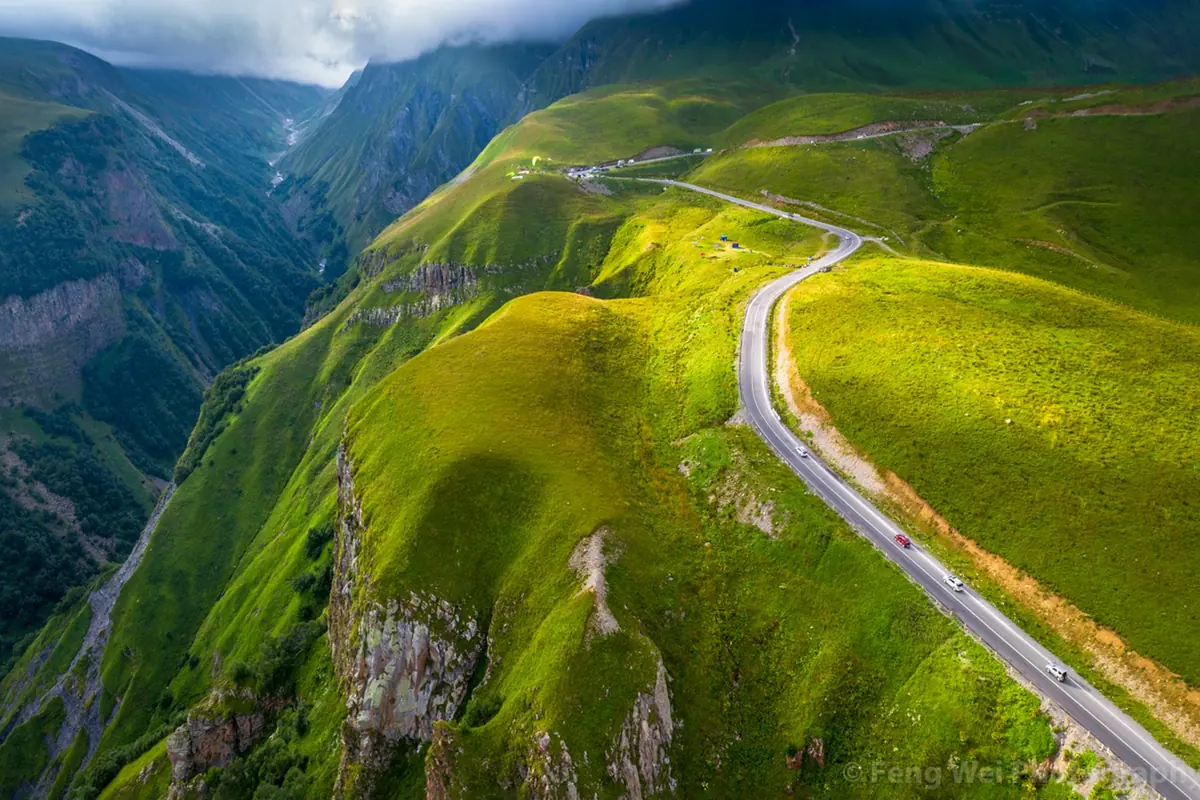
Start with the roads, because they’re the risk most tourists underestimate. Georgia’s road-traffic death rate runs around 12 per 100,000 people (WHO figures) — roughly double the European average of about 6.7, and some datasets put it higher still. The State Department notes that road conditions differ significantly from those in the United States. Road accidents are a leading cause of tourist injury here and one of the most common reasons travelers need an evacuation in the first place.
The breakaway regions are a separate, firm line. Abkhazia and South Ossetia carry risks of crime, civil unrest, and landmines, and the US government cannot provide emergency services in either. Beyond the safety case, there’s a coverage case: many policies void or restrict cover in areas under a government Do Not Travel advisory, so a claim arising in or near those regions may simply be denied. Stay clear of the Administrative Boundary Lines and you protect your body and your policy at once.
Pro Tip: Enroll in the State Department’s STEP program before you go. If something happens in a remote region, it’s how the nearest consulate reaches you — and Georgia’s national emergency number is 112, where dispatchers can transfer you to an English operator.
How Do You Buy and Show Proof at the Border?
Buy before you fly. A policy from a US or international insurer, purchased online in advance, is cheaper and broader than anything sold at the airport, and it gives you time to add an adventure rider. Carry proof both on your phone and as a printout — an airline or a border officer may ask for it. Georgia’s emergency number is 112.
The mechanics are straightforward once the policy is in hand:
- Before departure: buy online, choose the right evacuation limit and any adventure add-on, and download the policy document.
- At check-in: have proof ready; airlines have begun requesting it at boarding.
- At the border: officers may ask to see it; a digital copy or a paper copy both count.
- On the ground: save your assistance company’s 24/7 number in your phone alongside 112.
Buying at the airport is possible if you land without cover, but expect to pay 30-40% more for a thinner policy that likely excludes the mountain activities you came for. It’s a last resort, not a plan.
Common Questions About Travel Insurance for Georgia
Do I Need Travel Insurance to Enter Georgia?
Yes. Since the start of 2026, all foreign tourists — including visa-free US citizens — must hold valid health and accident insurance covering their entire stay, with a minimum limit of 30,000 GEL (about $11,000). Your airline may check at boarding and border officers can ask for proof; without it, you risk being refused entry.
How Much Does It Cost?
For a two-week trip costing around $2,000, expect roughly $45-110 for a full trip plan, or about $90-150 if you’re over 60. Travel-medical-only plans average about $5 a day. Local border-compliant policies are cheaper but medical-only and usually exclude adventure sports.
Does My US Health Insurance or Medicare Cover Georgia?
No. US health plans generally don’t cover care abroad, and the State Department confirms Medicare and Medicaid do not apply overseas. You need dedicated travel-medical coverage, and many Georgian providers expect payment in cash up front.
Does the Travel Advisory Affect My Coverage?
It can. Georgia is Level 1 overall, but Abkhazia and South Ossetia are Level 4, Do Not Travel. Many policies won’t pay claims that arise in a Level 4 zone, so those regions put both your safety and your coverage at risk. Avoid them.
Do I Need Special Cover for Skiing or Trekking?
Usually yes. Standard policies exclude adventure sports. Skiing at Gudauri or Bakuriani, trekking above 6,600 feet (2,000 m), paragliding, and mountaineering typically need an adventure add-on. Watch the altitude ceiling — most cap at 19,685 feet (6,000 m) — and the search-and-rescue exclusions. For high trips, a Global Rescue membership adds evacuation without an altitude limit.
Can I Buy a Policy at the Airport?
Yes, but it’s a poor deal. Airport and border policies are reported to cost 30-40% more than the same cover bought online in advance, and they often exclude adventure activities. Buy before you fly.
Before You Book
TL;DR: Insurance is mandatory to enter Georgia (30,000 GEL minimum), but that floor is only the border requirement — not real protection. Buy a plan with strong medical-evacuation limits, add an adventure rider if you’re heading to the mountains, and confirm the assistance company behind the policy before you travel. Border-compliant and adequately covered are two different things, and the difference is a $18,000 helicopter ride.
Which part of Georgia is pulling you in — the Tbilisi wine-and-food circuit, or a high trek in Svaneti or up toward Kazbek? Drop your route and elevations in the comments and I’ll point out where standard policies tend to leave a gap.